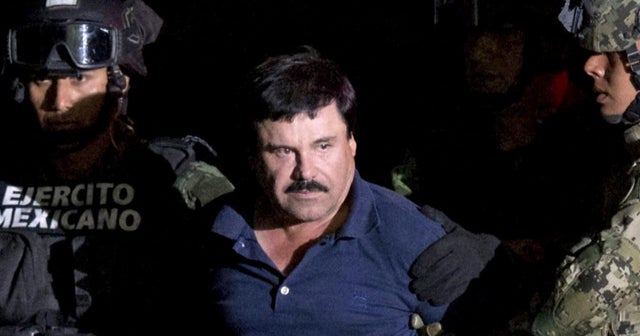
Decoding El Chapo’s Death: Facts and Reality
Every few months, explosive headlines reappear across social media feeds proclaiming, Decoding El Chapo’s Death — The Truth Shocking Authorities Can’t Hide Anymore! These sensational claims prompt millions of searches from people wondering whether the infamous former leader of the Sinaloa Cartel has quietly passed away behind bars. Yet beneath the dramatic phrasing and clickbait thumbnails lies a much different reality—one rooted in high-security federal protocols, legal filings, and the persistent machinery of online disinformation.
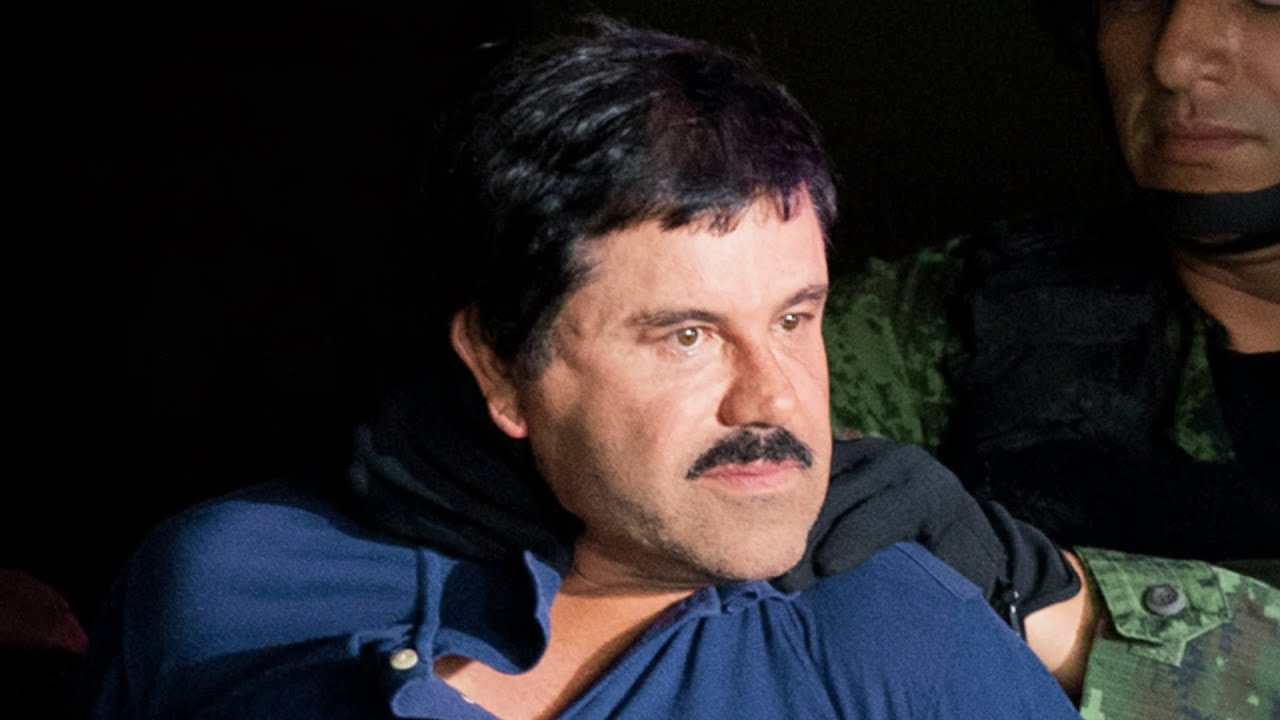
Joaquín “El Chapo” Guzmán Loera is not dead. The 67-year-old former drug lord remains incarcerated inside the United States’ most secure correctional facility. To understand why death rumors consistently circulate around him, one must look at how federal supermax prisons operate, the legal struggles his defense team continues to wage, and how the internet capitalizes on the mythology of cartel figures.
Decoding El Chapo’s Death — The Truth Shocking Authorities Can’t Hide Anymore!
The recurring narrative that authorities are actively covering up Guzmán’s demise thrives on the intense secrecy surrounding his current confinement. When users search for phrases like Decoding El Chapo’s Death — The Truth Shocking Authorities Can’t Hide Anymore!, they are usually responding to unsourced YouTube videos, deceptive TikTok broadcasts, or satirical blogs designed to generate ad revenue.
The Federal Bureau of Prisons (BOP) maintains transparent public records regarding inmate status. A direct lookup of Joaquín Guzmán Loera under Register Number 91207-054 confirms his status unequivocally:
- Current Location: USP Florence ADMAX (Colorado)
- Status: In Custody
- Release Date: Life Sentence (Life plus 30 years)
Under United States federal law, the death of a high-profile inmate cannot legally be concealed. Were an inmate of Guzmán’s notoriety to die—whether by natural causes, violence, or suicide—the Department of Justice and the BOP are required to notify immediate legal representatives, initiate a formal coroner's inquest, and issue an official public statement.
Where Did the Death Rumors Originate?
The persistent falsehoods surrounding Guzmán’s death are not accidental; they follow predictable patterns driven by real-world events and digital exploitation.
1. Confusion with Other Cartel Figures
The Latin American underworld is filled with figures possessing similar names and aliases. Over the past several years, multiple high-ranking cartel operatives have been killed in shootouts or died in Mexican custody. For instance, reports regarding Dámaso López Núñez, clashes involving Guzmán’s sons (known collectively as Los Chapitos), or operations targeting rivals frequently get distorted online into claims that “El Chapo” himself was killed.
2. Clickbait Algorithms and AI-Generated Content
Content farms regularly produce automated videos using synthetic voiceovers and alarming titles claiming that emergency ambulances were spotted outside ADX Florence or that government officials held emergency press conferences. These videos exploit dramatic language to capture views, capitalizing on the public's fascination with Guzmán’s prior escapes in Mexico.
3. The Information Blackout at ADX Florence
Video: The Hunt for El Chapo! Joaquín Guzmán’s Rise to Power, His Escapes, and Capture | Profiling Evil
Because the public rarely receives updates, images, or audio of Guzmán, an information vacuum naturally forms. In the absence of daily news, speculation fills the void. In social media ecosystems, silence is often mistaken for a conspiracy.
The Reality: Living Inside the "Alcatraz of the Rockies"
While Guzmán is alive, his actual daily existence is defined by extreme sensory deprivation rather than secretive intrigues. He is housed at the United States Penitentiary, Administrative Maximum Facility (ADX Florence) in Fremont County, Colorado.
ADX Florence was designed specifically to incarcerate individuals deemed severe national security risks, including convicted terrorists, spies, and cartel leaders capable of orchestrating violence from behind bars. The conditions inside the facility are among the strictest in the world:
- Solitary Confinement: Inmates spend between 22 and 23 hours a day alone inside an 8-by-10-foot soundproof cell constructed almost entirely of poured concrete.
- Controlled Environment: The furniture—including the bed slab, desk, and stool—is immovable concrete. A small slit window angled upward ensures prisoners see only the sky, preventing them from learning their precise location within the compound.
- No Physical Contact: Meals are delivered through a slot in a solid steel door. Guzmán has no contact with other inmates, eliminating any possibility of cartel coordination or gang violence.
- Strict Communications: Under Special Administrative Measures (SAMs), his communication is restricted to pre-approved legal counsel and extremely limited, monitored correspondence with designated family members.
Given these security protocols, the idea that an inmate could die without immediate internal documentation and regulatory reporting is practically impossible.
What His Legal Team Actually Reports About His Health
Although claims of his death are fabricated, Guzmán’s defense attorneys have repeatedly voiced genuine concerns regarding his physical and mental deterioration. His legal representatives, including Mariel Colón Miró and José Refugio Rodríguez, have submitted formal petitions to both U.S. judicial bodies and Mexican diplomatic channels.
Court filings and public appeals highlight several documented health complaints:
- Severe Sleep Deprivation: Guzmán has complained of continuous artificial lighting and constant ventilation noise that disrupts regular sleep cycles.
- Cognitive Decline and Depression: His defense argues that years of near-total social isolation have resulted in memory loss, recurring headaches, and acute depression.
- Restricted Medical and Legal Access: In 2023 and 2024, Guzmán sent letters appealing for more English-language assistance, additional phone privileges with his daughters, and improved dental and medical checkups.
These complaints highlight the reality of his confinement: Guzmán is not dead, but the punishing reality of a life sentence at ADX Florence has taken a significant toll on his health.
Why Guzmán’s Fate Continues to Fascinate the World
Joaquín Guzmán’s notoriety was built on audacious acts: constructing sophisticated border tunnels, commanding a multibillion-dollar global narcotics syndicate, and executing two successful escapes from high-security Mexican prisons (Puente Grande in 2001 and Altiplano in 2015).
Because his life was characterized by seemingly impossible escapes, a segment of the public remains convinced that his story must conclude with an equally theatrical ending—either a dramatic escape or an unacknowledged demise. However, the U.S. federal corrections system was engineered precisely to neutralize that mythos.
The Bottom Line
Whenever sensational headlines promise to reveal "shocking truths" about Joaquín "El Chapo" Guzmán’s death, readers should view them with skepticism. Verified federal records, statements from his legal counsel, and oversight at ADX Florence all confirm the same fact: El Chapo is alive, closely monitored, and serving his life sentence in total isolation.