Decoding The Walking Dead Tropes That Defined TV
Introduction to The Walking Dead Tropes

When AMC premiered The Walking Dead in 2010, it revolutionized the horror genre on television. Over 11 seasons, the show adapted Robert Kirkman’s comic book series into a massive cultural phenomenon. However, as the series progressed, viewers began to notice familiar patterns. From recurring plot structures to predictable character arcs, the walking dead tropes became a defining part of the show's identity. While some tropes kept audiences hooked, others became the subject of fan exhaustion.
Understanding these storytelling devices reveals a lot about how modern serial television operates under high-pressure production schedules. Let's break down the most prominent tropes that shaped the apocalyptic landscape of Rick Grimes and his fellow survivors.
The Recurring Cycle of Safe Haven to Ruin
One of the most reliable narrative engines of the series is the utopian illusion. The group travels across the ruined American landscape, constantly searching for a safe place to settle down. Whenever they find a walled community, a prison, or a luxurious neighborhood, viewers immediately know what is coming next.
This particular trope follows a rigid three-act structure:
- Discovery: The group finds an apparently civilized, secure location led by a seemingly benevolent figure.
- Integration: Characters try to assimilate, abandoning their harsh survivalist tactics for a brief moment of domesticity.
- Collapse: Internal corruption, an external walker herd, or a tyrannical rival shatters the peace, forcing the survivors back onto the road.
From the CDC facility in season one to Alexandria and the Commonwealth, this cycle repeated enough times to become a running joke among the fanbase. Yet, it effectively highlighted the show's core thesis: human beings are always the greatest threat in a crisis.
Charismatic and Psychopathic Tyrants
No zombie drama can survive without human villains, and the series leaned heavily into a very specific brand of antagonist. The walking dead tropes involving villains almost always center on a charismatic leader who maintains a civilized facade while harboring absolute brutality underneath.
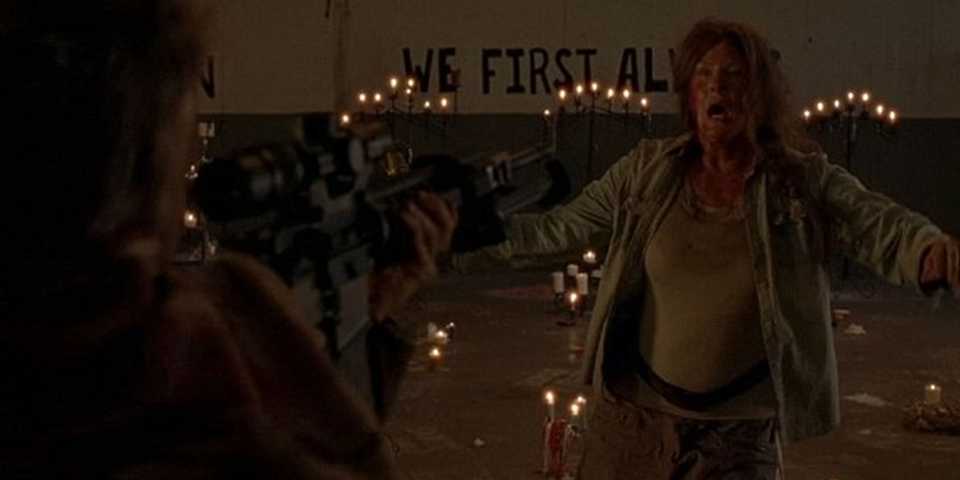
The Governor charmed the citizens of Woodbury with prison cotillions while executing outsiders and keeping zombie heads in aquariums. Negan delivered theatrical, baseball-bat-wielding monologues while running a totalitarian protection racket. Alpha wore the skin of the dead to enforce a primitive, animalistic social order. These larger-than-life despots forced our heroes to question their own morality, often leading to prolonged conflicts that spanned multiple seasons.
The Miraculous Last-Second Save
Video: How The Walking Dead Comic NAILED Its Ending

Suspension of disbelief is a mandatory requirement for any zombie apocalypse fiction, but the show pushed this boundary with a very specific visual trick. Throughout the series, characters found themselves completely surrounded by walkers, only to be saved by a bullet from an off-screen marksman or a sudden, explosive distraction at the exact millisecond of doom.
Glenn Rhee famously cheated death under a dumpster in season six, an event that became emblematic of the show's reluctance to kill off major characters without maximum theatricality. While these moments provided short-term adrenaline spikes, they occasionally diminished the genuine sense of peril that made the early seasons so gripping.
Monologues During Mortal Peril
Action economy rarely applies during high-stakes dramatic climaxes in the post-apocalypse. Whenever two bitter enemies face off, or a dying character takes their final breaths, time seems to stand still. Characters routinely pause mid-fight to deliver fully articulated, philosophically rich monologues about the nature of humanity, mercy, and survival.
Whether it is Rick explaining his vision for the future or Morgan debating the sanctity of all life, these speeches serve a narrative purpose. They slow down the kinetic energy of a walker attack to force deep character development. However, logic-driven viewers often found themselves shouting at the screen, wondering why nearby zombies politely waited for the speech to conclude before attacking.
Silent Walkers and Sneak Attacks
Despite rotting for years and having zero cognitive function, the walkers in this universe possess an uncanny ability to teleport. Characters can walk through an apparently empty, wide-open field or an abandoned warehouse, only for a ravenous corpse to leap out from behind a flimsy curtain.
This stealthy walker trope became a staple jump-scare mechanism. It exists entirely to remind the audience that danger is never more than a few feet away, even when the characters feel safe enough to lower their guard. It requires a significant amount of dramatic license, but it keeps the tension high across hundreds of episodes.
Conclusion: Why These Tropes Still Work
Critiquing The Walking Dead for its repetitive storytelling patterns is easy, but these recurring elements are precisely what kept millions of viewers tuning in every Sunday night. Tropes become tropes because they work. They provide structural reliability, emotional resonance, and clear genre expectations.
Ultimately, the show used these familiar frameworks to explore profound questions about grief, leadership, and community building. Even as the franchise expands into new spin-offs and prequel series, these foundational formulas continue to dictate how stories are told in the zombie-infested wasteland.