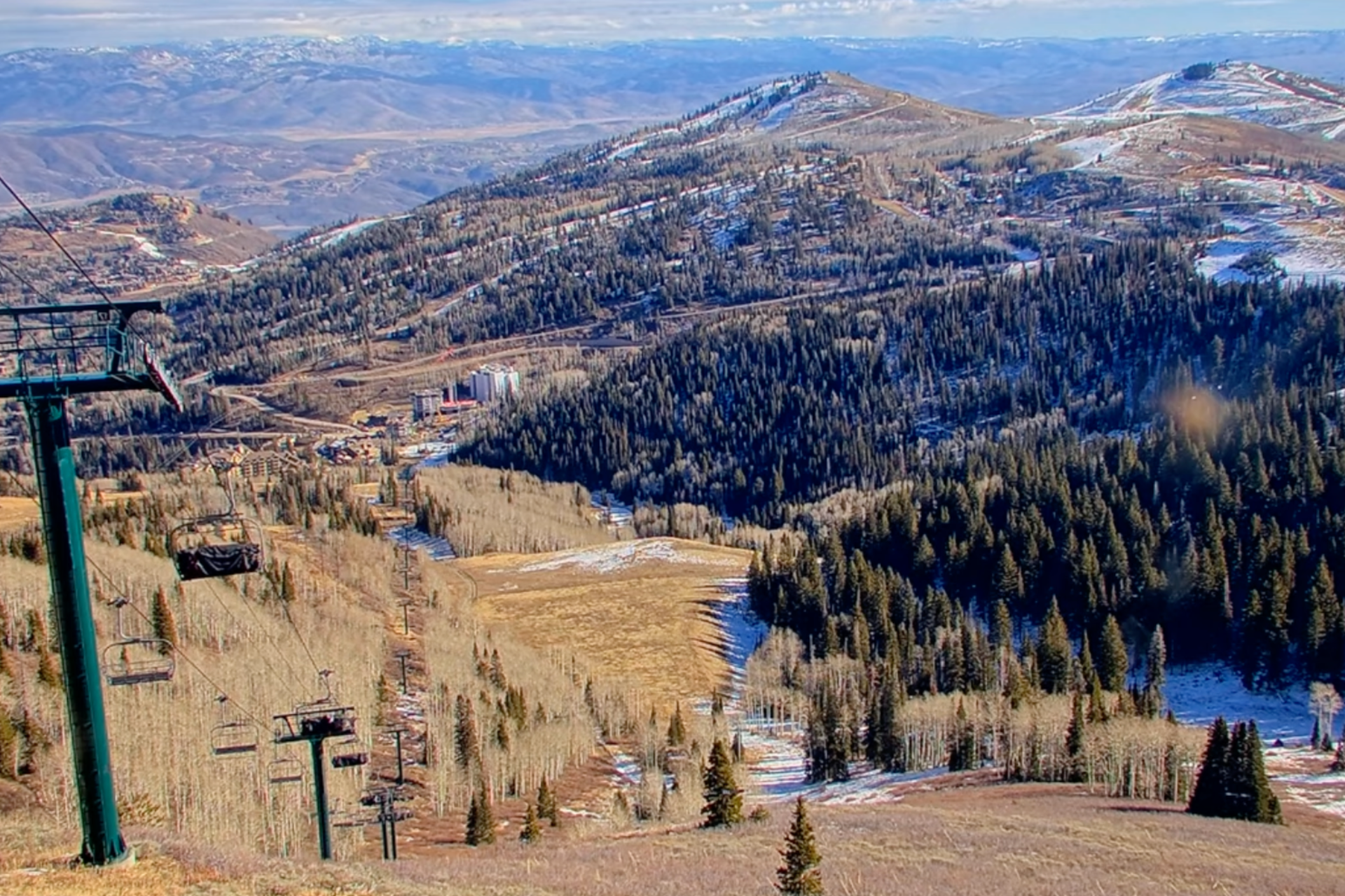
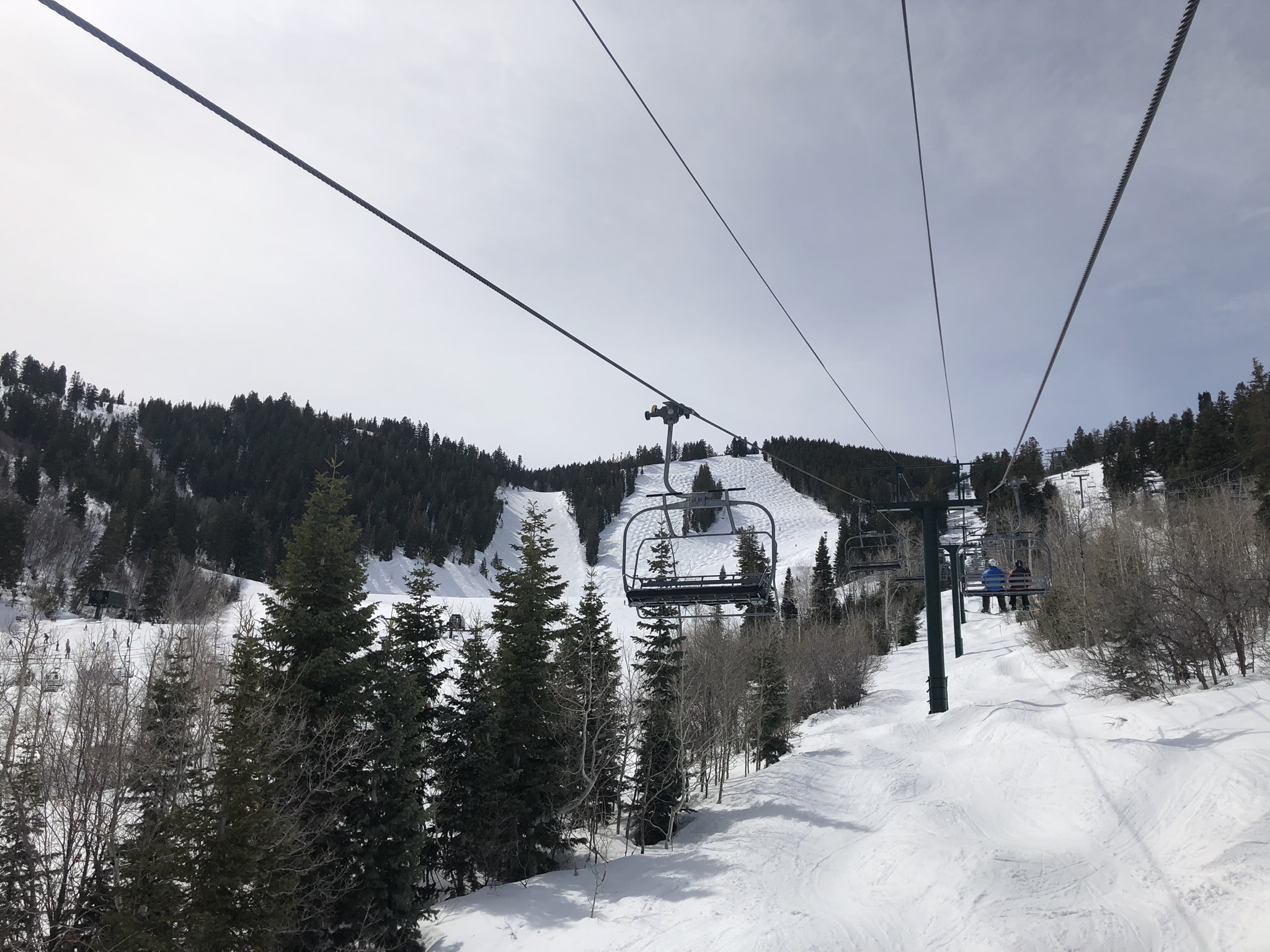
Deer Valley Ski Cam: Live Views & Snow Reports
Your Guide to the Live Deer Valley Ski Cam Feeds

Planning a ski trip to Park City, Utah, requires careful monitoring of the weather, snowpack, and mountain visibility. Whether you are waxing your skis for a powder day or booking a luxury winter vacation, checking a live deer valley ski cam is the best way to see real-time conditions on the ground. Instead of relying solely on general forecasts, these live camera feeds give you an honest, up-to-the-minute look at snow depth, crowd levels, and lighting across different elevations.
Deer Valley Resort is famous for its impeccably groomed runs, upscale amenities, and strict skier-only policy. Because conditions can change rapidly in the Wasatch Mountains—shifting from bluebird skies to sudden alpine snowstorms—having visual access to the mountain makes all the difference. This guide covers where to find the best camera views, how to interpret them, and what other tools to use for a seamless mountain experience.
Top Camera Angles Across the Resort
Deer Valley is spread across six distinct peaks: Bald Eagle Mountain, Bald Mountain, Flagstaff Mountain, Little Baldy Peak, Park City Mountain border areas, and Empire Canyon. Because terrain and weather vary significantly from the base to the peaks, the resort maintains multiple camera feeds.
Base Area and Village Views
The base area cameras—typically located around Snow Park Lodge and Silver Lake Village—are the first place you should look in the morning. These feeds help you gauge:
- Current parking lot capacity and arrival traffic.
- Base-level snow accumulation and precipitation type (rain vs. snow).
- Queue lengths at the primary morning lifts, such as the Silver Lake Express or Carpenter Express.
- General clothing requirements for the day based on ambient temperature and wind at lower elevations.
Mid-Mountain and Peak Perspectives
For skiers looking for real-time powder reports or visibility checks, mid-mountain and summit cameras are essential. Cameras positioned near Bald Mountain or the top of flagship lifts provide a panoramic view of the runs. Use these angles to check:
- Cloud cover and alpine visibility (crucial for flat-light days).
- Wind speeds affecting upper-mountain lift operations.
- Fresh snowfall accumulation on groomed trails and open bowls.
How to Use Ski Cams to Plan Your Day
Video: Silver Lake Lodge Livestream
Smart skiers use webcams as part of a broader tactical approach to conquering the mountain. Here is how to maximize the value of live video feeds before stepping into your bindings.

Timing Your Morning Departure
Park City traffic and parking can back up quickly on peak weekends and powder days. By checking the base village cameras around 7:30 AM, you can visually assess how fast the arrival lots are filling up. If the primary lots look packed, you can adjust your timeline or plan for alternative transportation options like local shuttle services.
Dressing for the Correct Elevation
It is a common mistake to dress for the temperature at the base village only to freeze at the summit. High-speed quads and summit winds drop windchills dramatically. Comparing a base camera to a peak camera helps you pack the right mid-layers, goggles, and face masks for higher altitudes.
Avoiding Wind Holds
High winds frequently trigger wind holds on exposed upper-mountain lifts like those on Empire Canyon or Bald Mountain. If the peak cameras show swaying trees and blowing snow, you can pivot your itinerary toward lower-elevation, tree-lined runs where the timber provides natural wind protection.
Complementing Cams with Snow Reports
While a deer valley ski cam gives you immediate visual confirmation of the weather, it should be paired with official resort data for a complete picture. Always cross-reference the live visuals with official morning snow reports.
- 24-Hour Snowfall Totals: Cameras show what is currently on the ground, but official totals tell you how much fresh powder fell overnight.
- Wind and Temperature Gauges: Numerical data helps confirm whether frostbite risks are present at high elevations.
- Lift and Trail Status: Not every open trail is visible on a webcam. Check the resort's operational app to confirm which specific runs have been groomed or opened for the day.
Conclusion
Checking a live deer valley ski cam takes only a few seconds, but it can dramatically improve your day on the mountain. By reviewing base activity, alpine visibility, and weather patterns before you leave your lodging, you can beat the crowds, dress appropriately, and find the best snow on Utah's premier slopes.