Delphi Murders Crime Scene: Forensic Expert Insights
On February 13, 2017, the peaceful town of Delphi, Indiana, became the epicenter of one of the most baffling and tragic criminal investigations in modern American history. Best friends Abigail "Abby" Williams (13) and Liberty "Libby" German (14) went for a hike along the Monon High Bridge Trail and never returned home. Their bodies were discovered the next day in a wooded area nearby. In the years since, public fascination has centered heavily on the Delphi Murders Crime Scene: A Forensic Expert's Shocking Revelation, as forensic scientists, investigators, and legal experts dissect every detail of how the crime unfolded and how the evidence was handled.

The Monon High Bridge Crime Scene Layout
Understanding the physical geography of the murder scene is crucial to grasping the challenges faced by investigators. The Monon High Bridge is a rustic, abandoned railroad structure crossing Deer Creek. The rugged terrain, dense vegetation, and remote nature of the location created immediate hurdles for search and rescue teams.
When the girls' bodies were found roughly 0.7 miles downstream from the bridge on the north bank of Deer Creek, law enforcement faced a classic outdoor crime scene dilemma: preserving trace evidence amidst changing weather, leaf cover, and wildlife. Outdoor crime scenes are notoriously difficult because elements like rain, wind, and temperature fluctuations degrade biological evidence rapidly.
Key Physical Evidence Challenges
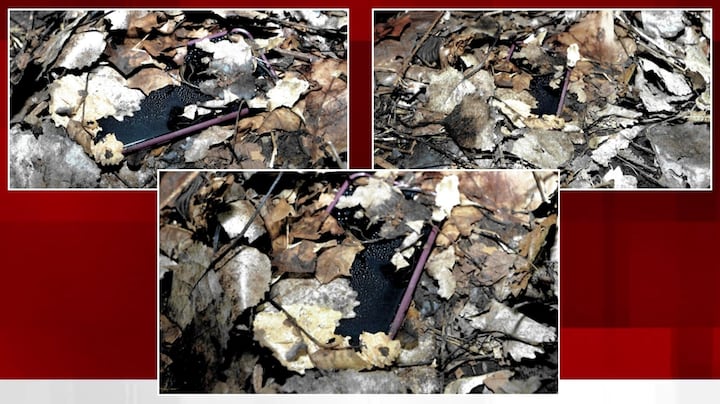
Outdoor environments complicate forensic recovery. In the Delphi case, investigators had to meticulously comb through forest debris. Key physical elements recovered at or near the scene included:
- Footprints and shoe impressions left in the muddy embankment.
- DNA traces left on or near the victims.
- Digital evidence captured on Libby German's smartphone, famously featuring video and audio of the suspect.
Forensic Expert Revelations and Analysis
Over the course of the investigation and subsequent legal proceedings leading to the trial of Richard Allen, forensic specialists and former law enforcement analysts have shared critical insights regarding the Delphi murders crime scene. Unlike Hollywood portrayals of instant DNA matches, the physical reality of the Delphi scene required painstaking, multi-year laboratory analysis.
One of the most striking revelations discussed by forensic pathologists and crime scene reconstructionists involves the level of control the perpetrator exerted. The transition of the victims from the bridge to the secluded bank of Deer Creek suggests a blitz-style abduction utilizing a weapon or the threat of one. Forensic experts have noted that the positioning of the bodies and the specific items left behind point toward a targeted crime, even if the killer operated with a degree of opportunistic calculation.
The Significance of Unspent Ammunition
A major turning point in the forensic investigation came from firearm and toolmark examination. Investigators recovered an unspent .40-caliber cartridge between the bodies of the victims. According to expert testimony presented during court proceedings, this round cycling through a specific firearm left microscopic toolmarks.

Forensic specialists matched these toolmarks to a pistol owned by Richard Allen. While toolmark analysis has faced scientific scrutiny in various courts nationwide regarding its absolute infallibility, the unspent round served as a cornerstone physical link that helped law enforcement secure a search warrant and eventual arrest.
Digital Forensics as Part of the Crime Scene
In modern criminal investigations, the digital footprint is treated as an extension of the physical crime scene. In this case, Libby German's smartphone provided what is arguably the most famous piece of evidence in true crime history: a brief video of a man walking across the bridge, accompanied by the chilling command, "Guys, down the hill."
Cell Phone Data and Geolocation
Digital forensic experts extracted critical metadata from the recording, establishing the exact timeline of the encounter. Furthermore, cell tower pings and device data from the surrounding area helped investigators map out the digital landscape of the trail system that day, confirming the narrow window of time in which the abduction and murders occurred.
Lessons Learned in Modern Crime Scene Investigation
The protracted nature of the Delphi investigation—spanning over five years before an arrest was made—highlighted both the limitations and advancements of modern forensic science. The case serves as a massive case study for law enforcement agencies handling rural, outdoor crime scenes.
Key takeaways for forensic investigators include:
- Rapid Containment: Securing expansive outdoor trail systems immediately to prevent contamination by well-meaning volunteers and curious onlookers.
- Advanced DNA Techniques: Utilizing touch DNA and familial DNA databases when standard profiles do not yield immediate matches in the FBI's CODIS system.
- Integration of Digital and Physical Evidence: Treating smartphone video, audio metadata, and physical toolmarks as a unified evidentiary ecosystem.
Conclusion
The tragedy in Delphi forever changed the local community and captivated the global public. While the legal system works through verdicts and appeals, the analysis of the Delphi Murders Crime Scene: A Forensic Expert's Shocking Revelation reminds us of the relentless dedication required in forensic science. Through a combination of old-school detective work, digital preservation, and meticulous physical evidence recovery, investigators ultimately pieced together the puzzle of a crime that many feared would never be solved.