Denver CO Neighborhood Tips: Ultimate Local Guide
Discovering the Mile High City: Essential Denver CO Neighborhood Tips
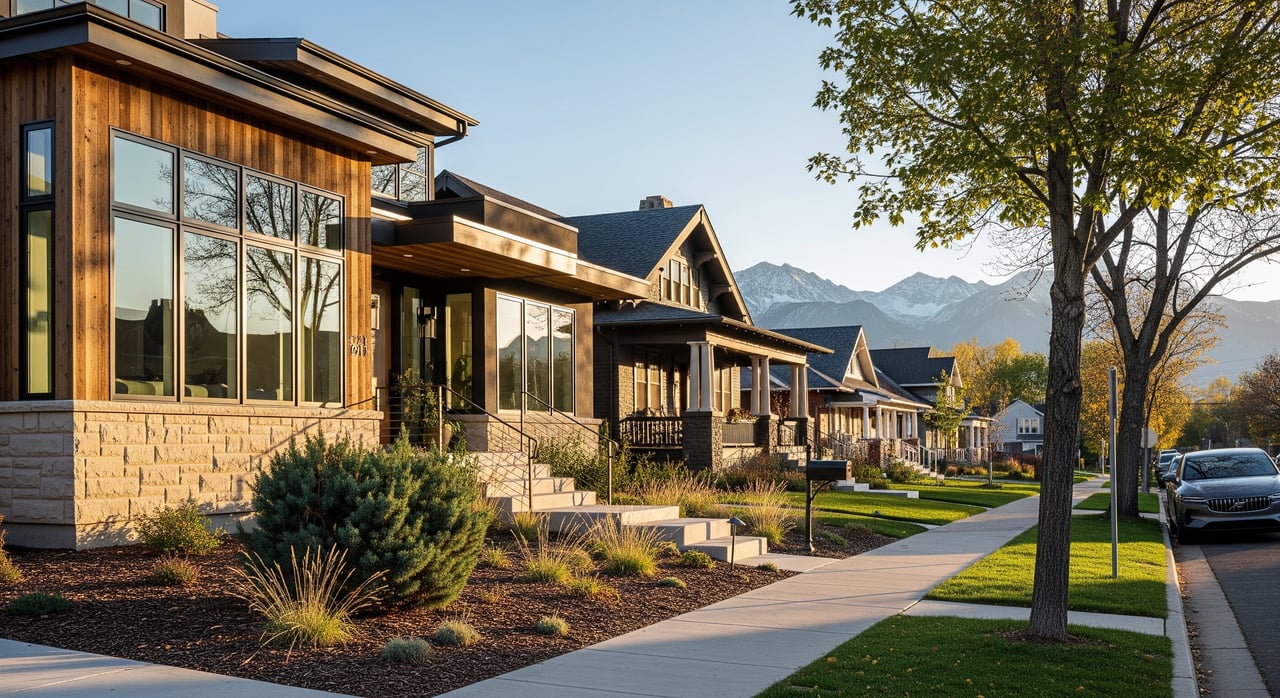
Denver is a city of distinct neighborhoods, each offering its own unique personality, architectural style, and community vibe. Whether you are relocating for a job, buying your first home, or just planning a weekend getaway, understanding the local layout is essential. When looking for Denver CO neighborhood tips, the most important rule to remember is that geography dictates lifestyle here. From historic brick bungalows in central districts to modern high-rises near transit hubs, the Mile High City changes dramatically from block to block.
Choosing the right area depends on your priorities—whether that means walkability to craft breweries, top-tier school districts, easy access to mountain highways, or a buzzing arts scene. This guide breaks down the city's most popular pockets to help you navigate your options like a local.
Top Neighborhoods to Know
Denver's urban core has experienced massive revitalization over the last decade. Here is a breakdown of the neighborhoods that capture the city's dynamic character.
LoDo (Lower Downtown) and Ballpark
If you want to step out of your front door and be immediately surrounded by nightlife, restaurants, and entertainment, LoDo and the Ballpark district are unmatched. Centered around Union Station and Coors Field, this area is defined by historic brick warehouses converted into luxury lofts.
- Vibe: Fast-paced, historic, and urban.
- Best for: Young professionals, sports fans, and frequent travelers who rely on the A-Line train to Denver International Airport.
- Tip: Parking can be expensive and sparse, so look for a building that includes a dedicated garage space if you own a car.
RiNo (River North Art District)
RiNo has transformed from an industrial rail yard into Denver's creative epicenter. Murals cover almost every brick wall, and the area is densely packed with independent art galleries, live music venues, craft cideries, and world-class coffee roasters.
Video: Before You Pick a Denver Neighborhood, Watch This | Where to Live in Denver Colorado

- Vibe: Edgy, creative, and rapidly evolving.
- Best for: Artists, tech workers, and foodies looking for cutting-edge culinary concepts.
- Tip: Construction is constant here as new apartment complexes rise, so expect some street noise and changing traffic patterns.
Washington Park (Wash Park)
Named after Denver's crown jewel park, Washington Park offers a classic neighborhood feel with tree-lined streets, historic homes, and two picturesque lakes. It is the outdoor recreation capital of the city's residential zones.
- Vibe: Active, affluent, and community-focused.
- Best for: Families, fitness enthusiasts, and dog owners.
- Tip: Housing inventory is competitive and pricey. Homes near the park command a heavy premium, but smaller duplexes can sometimes be found a few blocks away.
Highlands (LoHi and West Highland)
Perched on the hills just west of downtown across Interstate 25, the Highlands area offers sweeping views of the downtown skyline against the backdrop of the Rocky Mountains. Lower Highlands (LoHi) is packed with upscale dining and cocktail bars, while West Highland retains a slightly more relaxed, neighborhood-centric charm.
- Vibe: Trendy, walkable, and picturesque.
- Best for: Dining enthusiasts and buyers looking for a mix of historic charm and modern rebuilds.
- Tip: Weekend brunch and dinner parking in LoHi can be notoriously difficult. Utilize rideshares or bikes when visiting local hotspots.
Practical Advice for Navigating Denver
Beyond choosing where to live or stay, navigating Denver's unique environment requires a bit of local know-how. Keep these practical pointers in mind:
- Embrace the Grid (Mostly): Denver's streets generally follow a grid system, making navigation straightforward. However, downtown cuts across the grid at an angle to align with the South Platte River, which can momentarily disorient newcomers.
- Master Alternative Transit: The Regional Transportation District (RTD) light rail and bus system connects the suburbs to downtown efficiently. Additionally, Denver is exceptionally bike-friendly, featuring an extensive network of protected bike lanes through the B-Cycle and independent rental ecosystems.
- Prepare for the Altitude: Denver sits at exactly 5,280 feet above sea level. The air is thinner and drier than what most visitors are used to. Hydration is critical, and alcohol affects you much faster here than at sea level.
Finding Your Fit
Ultimately, the best way to understand Denver's micro-communities is to spend time exploring them on foot. Grab a coffee in the Highlands, rent a bike to ride through Washington Park, or check out a gallery opening in RiNo. By taking the time to experience the daily rhythm of different districts, you will easily find the Denver neighborhood that feels like home.