Desi Bank Executives’ Hidden Wealth: The Real Story
Understanding Desi Bank Executives’ Hidden Wealth: The Explosive Rise Behind Net Worth Figures!

Over the past two decades, the global financial landscape has witnessed a significant shift. South Asian professionals—often referred to in financial hubs from Wall Street to Mumbai as 'Desi' executives—have ascended to the highest echelons of global banking. Names like Satya Nadella in tech paved the way, but in banking and asset management, leaders of Indian and broader South Asian descent now helm powerhouse institutions, steering billions in capital.
Yet, public curiosity often fixates on a specific phenomenon: the staggering and sometimes opaque accumulation of personal capital. When headlines flash numbers regarding executive compensation, they rarely tell the whole story. To understand the true mechanics of this financial rise, we must look beyond basic salaries and examine the complex financial ecosystems that generate these fortunes.
The Anatomy of Modern Executive Compensation
When analyzing executive wealth, the base salary is merely the tip of the iceberg. In modern tier-one financial institutions, cash compensation is heavily regulated, scrutinized by shareholders, and often capped relative to performance metrics. The real engine of wealth generation lies in sophisticated compensation structures designed to align executive interests with long-term institutional growth.
Equity Grants and Stock Options
The cornerstone of executive wealth is equity. Restricted Stock Units (RSUs) and performance shares make up the vast majority of a senior banker’s take-home package. When an executive takes the helm of a growing institution—whether it is a multinational bank expanding its footprint in South Asia or a domestic powerhouse in Mumbai—their fortunes rise and fall with the stock price.
- Performance-Vested RSUs: These only convert to shares if specific financial milestones, such as Return on Equity (ROE) targets, are achieved over a three-to-five-year period.
- Stock Options: Allowing executives to buy shares at a predetermined price, yielding massive returns during bull markets.
- Long-Term Incentive Plans (LTIPs): Multi-year payouts designed to encourage sustainable risk management rather than short-term gains.
Deferred Compensation and Carried Interest
In investment banking and private equity, a substantial portion of earnings is deferred. This mechanism serves a dual purpose: it acts as a retention tool and allows capital to compound tax-deferred in specialized accounts. For executives operating in private wealth or alternative asset management, 'carried interest'—a share of the profits generated by the fund—often dwarfs traditional salary figures, creating generational wealth quietly over decades.
Macroeconomic Catalysts: The Rise of South Asian Markets
The explosive rise in net worth figures is not happening in a vacuum. It coincides with the economic maturation of South Asia, particularly India, which has become one of the fastest-growing major economies in the world. Global banks are aggressively expanding their presence in the subcontinent, creating an unprecedented demand for leadership talent that understands both Western compliance frameworks and Eastern market dynamics.
Executives who bridge these worlds command premium compensation. Furthermore, senior leaders who manage cross-border mergers, acquisitions, and technology transformations are rewarded with lucrative retention bonuses and performance multipliers that significantly accelerate their personal balance sheets.
Wealth Preservation and Diversification Strategies
Video: How Dudes Be When He Find Out She Got Money!

Accumulating wealth is only the first step; preserving and multiplying it requires sophisticated financial engineering. High-ranking financial executives rarely keep their assets in simple savings accounts. Their wealth portfolios typically feature a high degree of strategic diversification.
Global Real Estate Portfolios
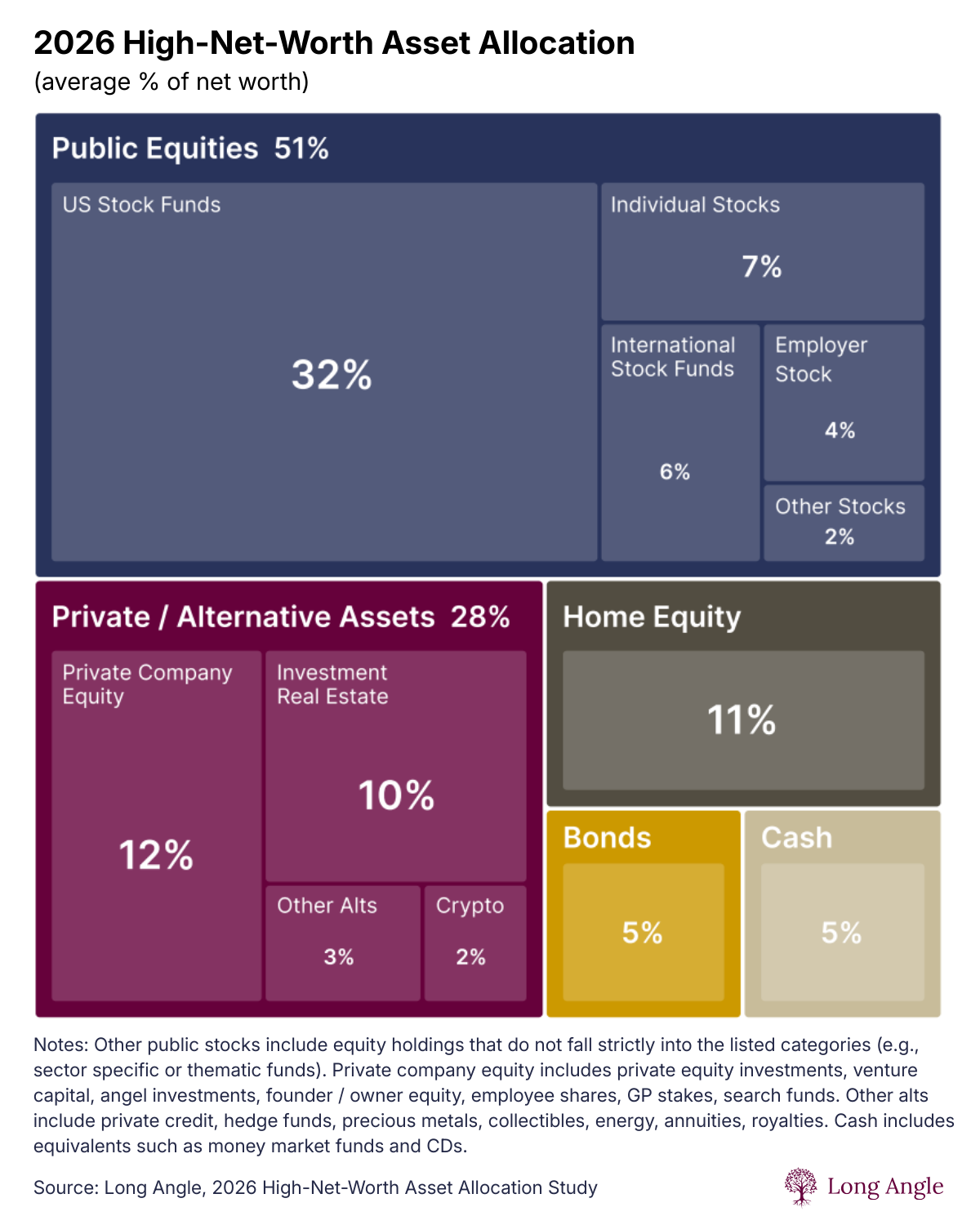
A common thread among elite banking executives is substantial real estate holdings across premier global cities. From luxury penthouses in Lower Manhattan and Canary Wharf to sprawling estates in South Mumbai and gated communities in Dubai, property serves as both a tangible status symbol and a reliable hedge against inflation.
Venture Capital and Angel Investing
Many modern Desi executives leverage their industry networks to invest early in fintech startups, SaaS companies, and AI ventures. By acting as angel investors or participating in private syndicates, they secure stakes in high-growth companies before they hit public markets, multiplying their liquid wealth exponentially.
Family Offices and Offshore Structures
As net worth enters the eight- and nine-figure territory, managing personal finances becomes a full-time enterprise. Many senior executives establish Single-Family Offices (SFOs) or utilize private banking trusts. These entities optimize tax efficiency, manage estate planning, and ensure wealth transfers smoothly across generations while maintaining a degree of privacy regarding asset allocation.
The Transparency Paradox: Public Scrutiny vs. Private Reality
Why do we view this wealth as 'hidden'? Publicly traded companies are legally required to disclose the compensation of their named executive officers (NEOs). However, these regulatory filings only paint a partial picture.
They often exclude:
- Prior private equity holdings from earlier stints at non-public firms.
- Pre-IPO shares in tech or fintech startups advised or backed by the executive.
- Inherited wealth and spousal assets pooled within family holdings.
- Private investment returns generated through personal trading syndicates and venture funds.
Consequently, the net worth figures reported in financial journals or proxy statements are frequently conservative estimates, understating the true financial footprint of these corporate leaders.
Conclusion: The Future of Executive Wealth
The narrative surrounding Desi bank executives’ hidden wealth is ultimately a story of global economic integration, high-stakes performance incentives, and astute financial management. As South Asian financial leaders continue to break barriers and take on pivotal roles in the global economy, their influence—and their net worth—will only expand. Understanding the machinery behind these fortunes offers a fascinating window into the modern evolution of global wealth creation.