DeviantArt Tickling: Art, Tropes, and Community
Since its launch in August 2000, DeviantArt has served as an incubator for virtually every creative niche on the internet. Alongside mainstream digital illustration, 3D modeling, and traditional painting, the platform has long hosted vibrant micro-communities organized around specific fandom tropes, slapstick humor, and hyper-targeted creative prompts. Among these, the realm of deviantart tickling art stands out as one of the platform's most visible and enduring specialty genres, boasting decades of continuous user submissions, collaborative storytelling, and custom commissions.

While outsiders often view the genre with curiosity or confusion, within DeviantArt it operates as an organized, self-sustaining creative ecosystem. Creators within this space produce everything from multi-chapter prose stories to elaborate sequential comic strips and fully rendered digital illustrations. Understanding this community requires a look at its roots in classic media, its creative formats, and how it navigates modern content moderation policies.
The Rise of DeviantArt Tickling Art and Literature
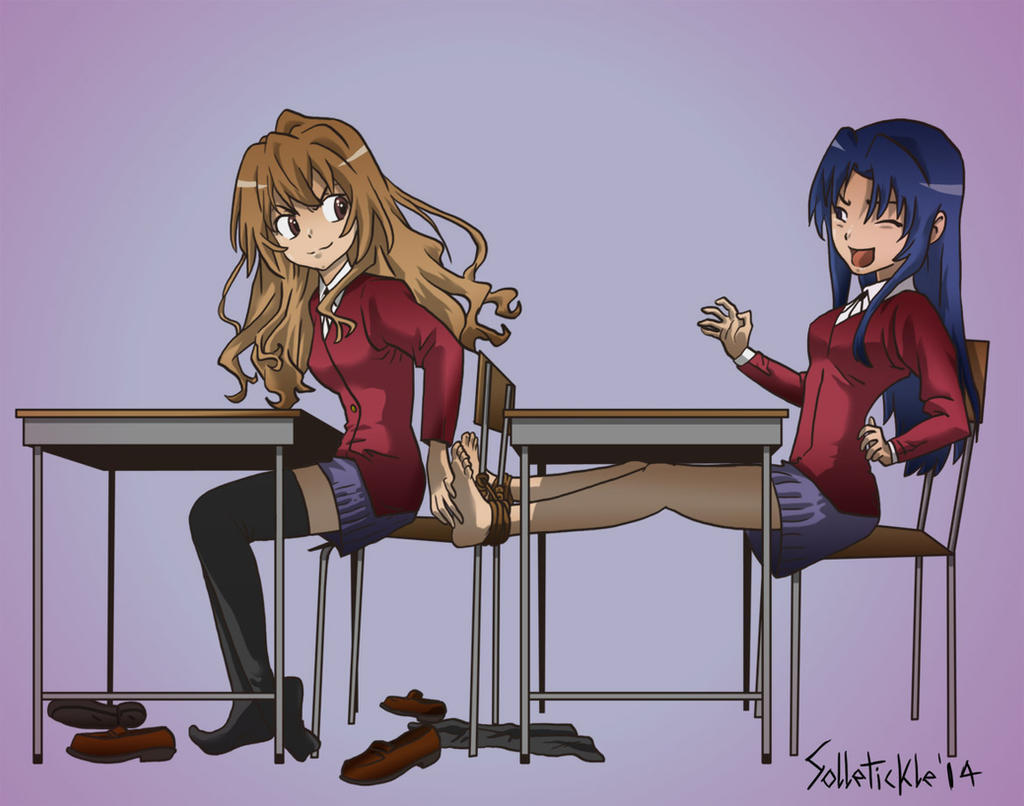
To understand how this genre found a permanent home on DeviantArt, one must trace its origins to classic animation and internet fandom culture. In mid-20th-century cartoons—ranging from Tom and Jerry and Looney Tunes to later shows like The Powerpuff Girls and Totally Spies—tickling was a staple comedic trope used during interrogation scenes, villain traps, or playful character bonding. When early digital artists began sharing fan creations online in the late 1990s and early 2000s, these animated scenes served as a primary point of visual reference.
DeviantArt’s architecture proved uniquely suited to hosting this kind of specialized interest for several reasons:
- Keyword Tagging and Searchability: Unlike traditional art portfolios, DeviantArt allowed users to tag submissions with granular keywords, allowing fans of specific character interactions to find relevant content instantly.
- Support for Literature: DeviantArt was one of the few visual platforms that integrated written text (short stories, scripts, and fan fiction) alongside traditional image uploads. This allowed writers to craft elaborate narratives around these scenarios.
- Art Trades and Gifting: The early site culture emphasized free exchanges, requests, and "gift art," which helped artists collaborate on shared tropes without commercial friction.
Artistic Formats and Common Storytelling Tropes
Within the community, artwork generally falls into a handful of distinct structural formats. Depending on the artist's medium and storytelling preference, content can range from innocent slapstick humor to specialized narrative commissions.
1. Sequential Comics and Multi-Panel Art
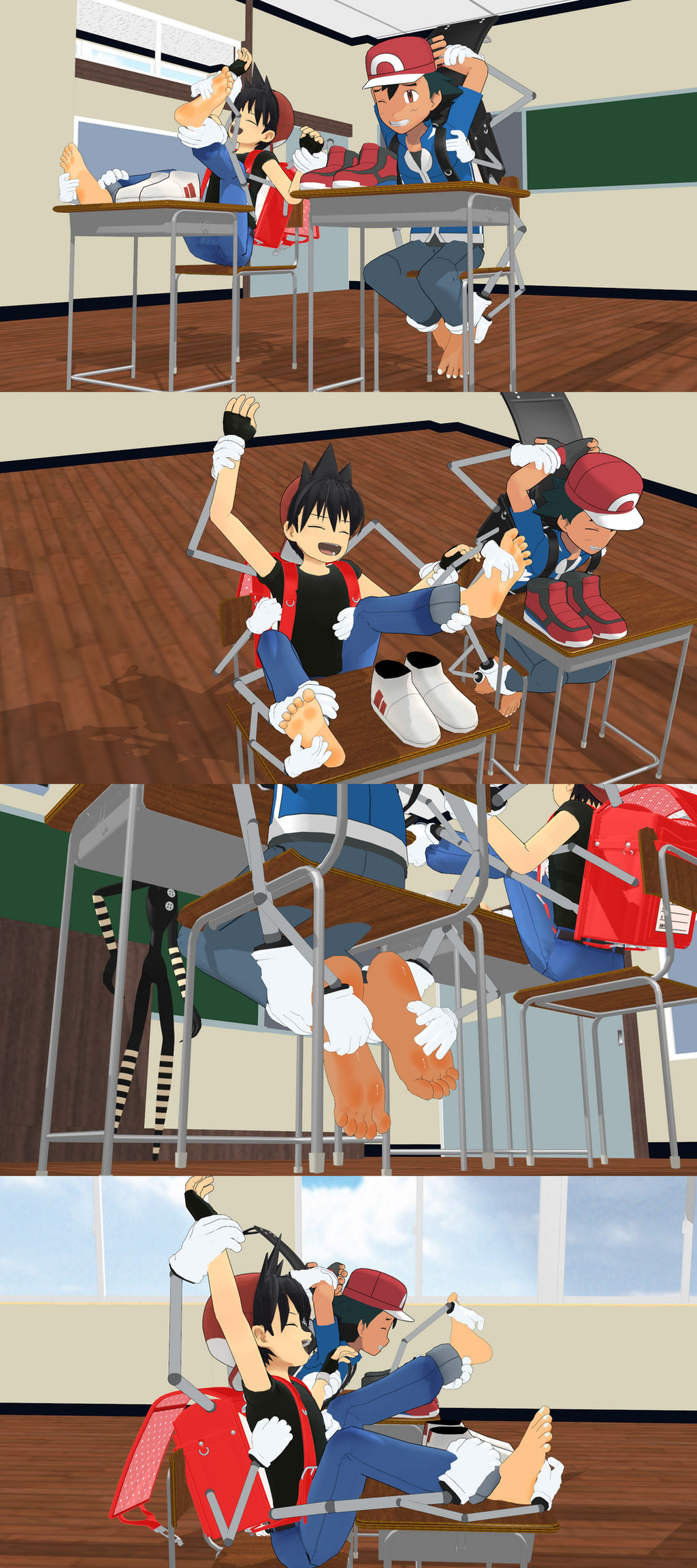
The most popular visual format is the sequential comic strip. In these works, artists depict a short narrative arc: an ambush, a competitive dare between friends, a villain capturing a protagonist, or an accidental trigger of a trap. Sequential art allows creators to play with comedic timing, expressive facial reactions, and dialogue banter, mirroring classic comic book pacing.
2. Literature and Script Submissions
Written fiction represents a substantial portion of the community's output. Writers often specialize in detailed descriptive prose or dialogue-driven scripts featuring original characters (OCs) or licensed pop-culture figures. These stories often focus on psychological and situational dynamics—such as endurance tests, playful rivalries, or magic spells—providing depth and narrative justification that static images cannot easily capture.
3. Commissioned Character Art
Independent artists frequently sustain their creative practice through niche commissions. Patrons pay artists to place their favorite characters—or their own original creations—into specific lighthearted scenarios. This dynamic has turned the subculture into an active freelance market where clients seek out illustrators skilled in expressive poses and detailed line work.
Navigating Platform Rules and Content Moderation
As internet platforms have consolidated and adopted stricter safety and content guidelines, niche communities on DeviantArt have adapted to comply with changing site standards. DeviantArt has consistently balanced community expression with platform safety through clear filtering tools and mature content classification.
Key platform policies impacting this genre include:
- The Mature Content Filter: DeviantArt mandates that works containing suggestive themes, nudity, or adult concepts must be flagged as mature. This restricts their visibility to logged-in, age-verified users and hides them from public search engines.
- Protection of Minors: DeviantArt strictly prohibits any sexualization or exploitation of minors, real or fictional. Content creators must ensure that depictions remain either purely innocent and non-sexualized slapstick, or—if suggestive—strictly feature adult characters.
- Eclipse Search and Mute Lists: Following the introduction of the DeviantArt Eclipse user interface, users gained the ability to mute specific tags. This change allowed general site visitors to browse without encountering niche genres, while simultaneously protecting the dedicated spaces where creators share their work.
Community Dynamics and Social Organization
Beyond individual submissions, the community relies heavily on DeviantArt’s group system. User-curated groups act as virtual galleries where members aggregate art based on specific sub-genres, character franchises, or thematic formats. Groups often host monthly drawing challenges, secret-Santa gift exchanges, and communal writing prompts.
These organized spaces establish clear community norms. Group administrators frequently enforce strict guidelines on character age, quality standards, and artistic consent to prevent harassment and keep galleries compliant with site-wide terms of service. For many aspiring illustrators, these supportive spaces provide constructive feedback, anatomy tips, and a welcoming environment to hone digital painting techniques.
How to Browse or Filter the Genre on DeviantArt
Whether you are an artist interested in studying expressive character illustration or a regular user looking to streamline your DeviantArt dashboard, the platform provides robust tools to customize your browsing experience.
If You Want to Find Specific Work:
- Use precise search queries incorporating character names and format tags (e.g., "comic," "sketch," or "story").
- Browse community groups rather than general search results to find curated, higher-quality submissions.
- Check the description box of liked artwork; artists frequently link to related works, collaborators, or story chapters.
If You Prefer to Filter Out the Content:
- Navigate to your account Settings and select Browsing.
- Locate the Muted Tags section.
- Add terms such as "tickle," "tickling," and related common tags to block matching submissions from showing up on your home feed, daily deviations, or discovery pages.
The Broader Impact on Digital Art Platforms
The persistence of niche genres like this highlights the fundamental nature of open digital art platforms. DeviantArt’s legacy was built on giving amateur and professional creators alike the freedom to explore unconventional themes, test narrative tropes, and find an audience that appreciates their work. While algorithms on other platforms often suppress hyper-specific content, DeviantArt’s community-driven taxonomy continues to provide a stable home for artists exploring unique character interactions and comedic storytelling.