Diarrhea Sulfur: Why Does It Smell Like Rotten Eggs?
Understanding Diarrhea Sulfur and Rotten Egg Stools
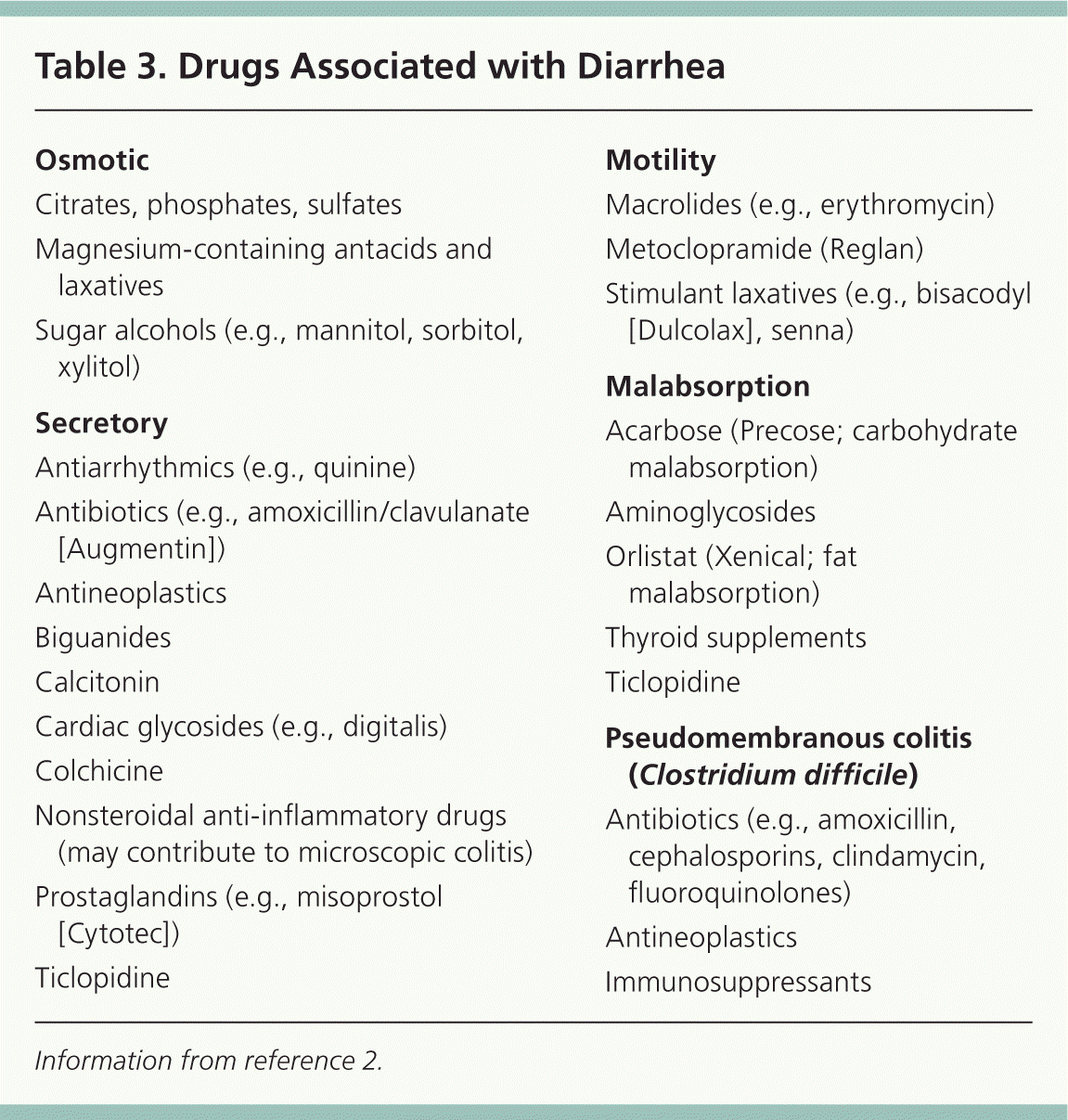
Experiencing diarrhea sulfur symptoms can be both alarming and deeply unpleasant. When watery or loose bowel movements are accompanied by a distinct, pungent odor resembling rotten eggs, it usually points to an excess of hydrogen sulfide gas in your digestive tract. While occasional digestive upset is normal, foul-smelling stools often signal that your gut microbiome is reacting to specific foods, bacteria, or parasites.
To address this issue effectively, it helps to understand how sulfur metabolism works in the human body, what causes these specific types of gastrointestinal disturbances, and what steps you can take to restore normal digestive function.
Common Causes of Sulfur-Smelling Diarrhea
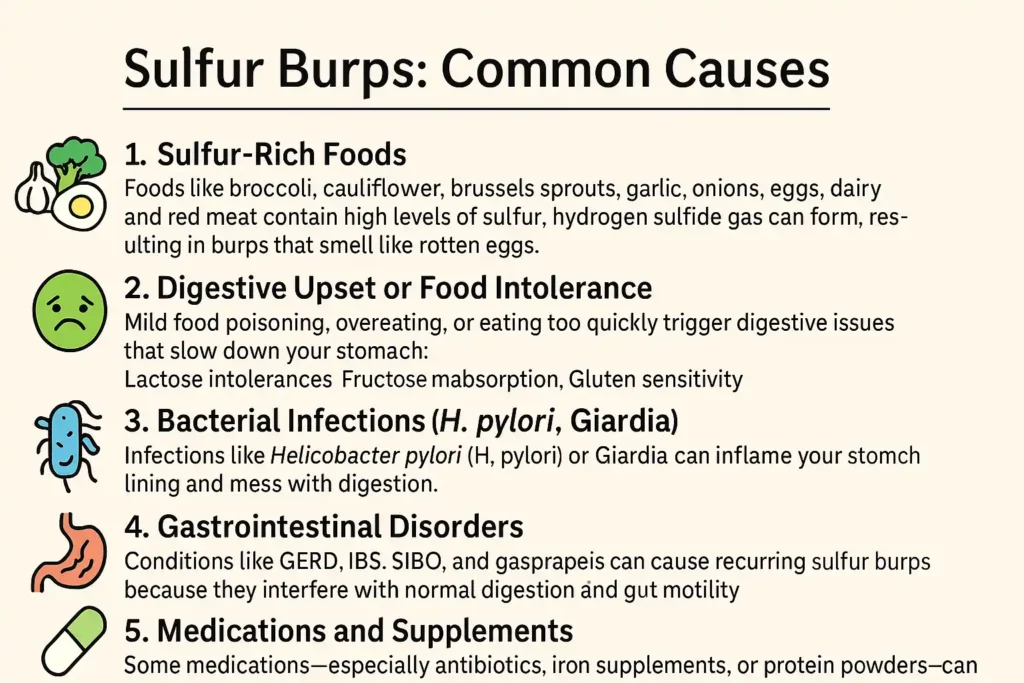
Hydrogen sulfide gas is a natural byproduct of digestion. Certain bacteria in your gut break down sulfur-containing proteins and amino acids, releasing this gas. However, when digestion speeds up into diarrhea, the balance of gas production and absorption is disrupted. Here are the primary culprits behind sulfur-heavy digestive issues:
1. Diet High in Sulfur-Containing Foods
What you eat plays a massive role in the chemical composition of your waste. If your diet is rich in high-sulfur foods, your gut bacteria produce more hydrogen sulfide during the breakdown process. Common dietary triggers include:
- Cruciferous vegetables like broccoli, cauliflower, Brussels sprouts, and cabbage
- Alliums such as garlic, onions, and leeks
- Eggs, dairy products, and red meat
- Nuts, legumes, and certain protein powders
- Beverages containing high levels of sulfates, such as certain mineral waters and wines
2. Gastrointestinal Infections (Gastroenteritis)
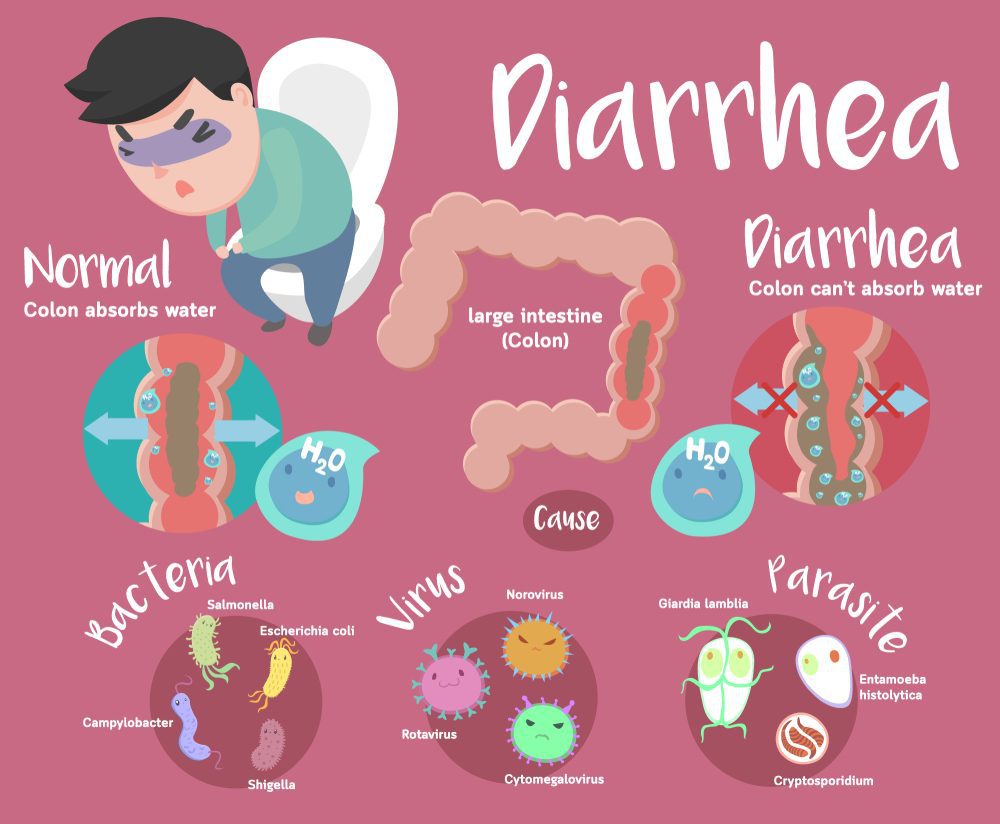
Bacterial, viral, or parasitic infections can severely irritate the lining of your stomach and intestines, leading to acute diarrhea. One notorious parasite is Giardia lamblia, commonly contracted from contaminated water sources. Giardiasis is famous for causing explosive, foul-smelling diarrhea, bloating, and sulfurous burps. Bacterial pathogens like Campylobacter or Salmonella can also alter gut flora and trigger similar symptoms.
3. Small Intestinal Bacterial Overgrowth (SIBO)
Normally, the majority of your gut bacteria reside in your large intestine. In SIBO, excessive bacteria migrate into the small intestine. These bacteria ferment carbohydrates and process sulfur compounds prematurely, leading to intense gas, bloating, abdominal pain, and frequent bouts of diarrhea.
4. Malabsorption Syndromes and Food Intolerances
Conditions like celiac disease, non-celiac gluten sensitivity, or lactose intolerance prevent your body from properly digesting essential nutrients. Undigested food travels to the colon, where it feeds sulfur-producing bacteria, resulting in pungent, loose stools.
Accompanying Symptoms to Watch For

Sulfur-smelling diarrhea rarely occurs in isolation. Pay attention to other signs your body is giving you, as they can help pinpoint the root cause:
- Excessive flatulence and sulfur burps: Burping that tastes or smells like rotten eggs often accompanies upper GI involvement, such as SIBO or Giardia.
- Abdominal cramping and pain: Spasms in the gut indicate inflammation or trapped gas.
- Nausea and vomiting: Common when an acute viral or bacterial infection is present.
- Fever and fatigue: Signs that your immune system is actively fighting off a pathogen.
How to Find Relief at Home
If your symptoms are mild and not accompanied by red-flag warnings, you can often manage sulfur-induced digestive upset with simple at-home strategies:
Hydration is Key
Diarrhea quickly depletes your body of essential fluids and electrolytes. Drink plenty of water, clear broths, and oral rehydration solutions to prevent dehydration. Avoid caffeine, alcohol, and sugary drinks, as they can worsen diarrhea.
Modify Your Diet Temporarily
Switch to a bland diet until your gut settles. The BRAT diet (bananas, rice, applesauce, toast) provides easily digestible carbohydrates that help firm up stool. Temporarily eliminate high-sulfur vegetables, dairy, and heavy proteins to give your digestive system a break.
Incorporate Probiotics
High-quality probiotics can help restore a healthy balance of bacteria in your microbiome, crowding out the microbes that produce excess hydrogen sulfide gas.
When to See a Doctor
While occasional dietary indiscretions clear up within 24 to 48 hours, persistent sulfur-smelling diarrhea requires professional medical evaluation. Consult a healthcare provider immediately if you experience:
- Diarrhea lasting longer than 48 hours (24 hours for children)
- Signs of severe dehydration, such as extreme thirst, dark urine, dizziness, or confusion
- High fever (above 102°F or 39°C)
- Severe abdominal or rectal pain
- Blood, mucus, or black, tarry stools
- Inability to keep liquids down due to persistent vomiting
Your doctor may recommend stool cultures, blood tests, or breath tests to check for infections like Giardia, food intolerances, or SIBO, ensuring you receive the correct targeted treatment.