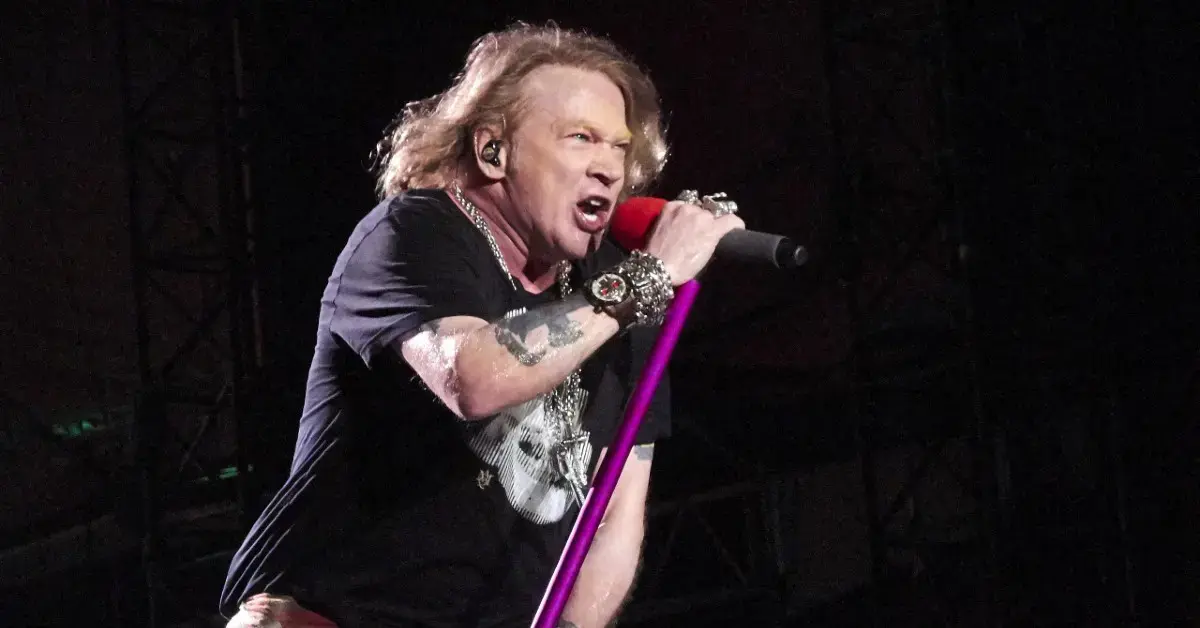
Did Axl Rose Just Secretly Rewrite Rock History?
When rock music historians look back at the chaotic, leather-clad explosion of the late 1980s, the narrative is usually set in stone. We are told that Nirvana blew away the stadium-filling excess of hair metal in 1991, rendering dinosaurs like Guns N' Roses relics of a bygone era. Yet, a growing body of archival evidence suggests a radically different timeline. Whispers, unreleased sessions, and recently unearthed production notes are forcing musicologists to ask a provocative question: Did Axl Rose Just Secretly Rewrite Rock History? The Evidence Is Here.
To understand why this theory is suddenly gaining traction among music industry insiders, we have to look past the tabloid headlines, the missed tour dates, and the legendary tantrums. Beneath the surface of Axl Rose's notoriously perfectionist career lies a quiet, calculated preservation of rock's foundational roots, fused with avant-garde production techniques that were decades ahead of their time. Let's examine the actual evidence.
Unearthing the Lost Sessions: The 1993–1996 Vaults
The standard timeline of Guns N' Roses halts abruptly after the massive Use Your Illusion tour in 1993. Following that grueling trek, the classic lineup fractured, and the band seemingly vanished into a multi-decade recording purgatory that eventually birthed 2008's polarizing Chinese Democracy. However, recording logs from various high-end studios in Los Angeles and New York tell a much busier story.
During the mid-1990s, while the mainstream media declared rock dead and buried beneath grunge and alternative rock, Rose was quietly experimenting with electronic soundscapes, industrial beats, and early digital audio workstations. Recently leaked audio snippets from 1995 sessions reveal Rose collaborating not just with traditional hard rock guitarists, but with electronic producers, ambient sound designers, and blues veterans.
The Genre-Bending Blueprint
What makes these mid-90s recordings fascinating is how they preempted the genre-blending movements of the 2000s. Long before artists like Post Malone or Bring Me The Horizon blurred the lines between heavy guitar music and trap beats, Rose was attempting to merge the sonic aggression of punk with the atmospheric textures of trip-hop.
- Early Digital Integration: Rose was among the first rock frontmen to utilize non-linear digital editing systems for tracking vocals, allowing for micro-tuning and vocal comping years before it became industry standard.
- Cross-Genre Collaborations: Secret sessions featured members of industrial acts and classic soul session players, creating a wall of sound that predated the modern hyper-genre era.
- Lyrical Evolution: Moving away from the hedonistic Sunset Strip themes, the unpublished lyrics from this era tackled systemic isolation, digital paranoia, and historical revisionism.
The Myth of the Reclusive Perfectionist
For decades, the press painted Axl Rose as a reclusive eccentric who simply lost his work ethic. But contemporary musicologists argue that this narrative was a convenient smokescreen. Rose wasn't hiding; he was meticulously dismantling and rebuilding the very concept of how a rock album is constructed, funded, and released.
Video: How Guns N' Roses Changed Rock Forever - The Untold Use Your Illusion Story

By self-financing much of the Chinese Democracy era out of his own pocket, Rose achieved something unprecedented in major-label history: total artistic autonomy. He bypassed the A&R gatekeepers who traditionally dictated the sound of American rock music. In doing so, he proved that an independent artist could spend fifteen years crafting a single record without bowing to corporate pressure.
Redefining the Album Cycle
Consider how modern artists release music today—dropping singles years apart, updating mixes post-release, and treating recorded tracks as fluid, living documents rather than static physical objects. Axl Rose pioneered this frustrating yet prophetic approach:
- The Perpetual Work-in-Progress: Albums are no longer locked in time upon mastering; they evolve through live performance and iterative adjustments.
- Direct-to-Consumer Distribution: Early digital release experiments by GNR set the stage for how artists bypass traditional physical retail distribution.
- Visual Integration: Treating the rollout of music as a multi-media art installation rather than a simple radio promotional campaign.
How the Historical Record is Shifting Today
As younger generations of musicians—from pop stars sampling heavy metal riffs to indie bands embracing maximalist production—look back at the 1990s and 2000s, the shadow of Axl Rose looms larger than ever. The critical consensus that dismissed post-1993 Guns N' Roses as a failed experiment is rapidly dissolving.
Audio engineers who worked on those secretive sessions are finally speaking out, revealing that hundreds of fully mixed, unreleased tracks still sit in vaults. These tracks feature experimental arrangements that could drastically alter how music historians view the bridge between 20th-century stadium rock and 21st-century digital composition.
Conclusion
Did Axl Rose secretly rewrite rock history? Not by winning a popularity contest or conforming to the expectations of the 1990s music industry. Instead, he did it quietly, stubbornly, and from behind closed studio doors. By refusing to follow the rules of the grunge era and spending over a decade redefining the boundaries of rock production, Rose carved out a parallel timeline. One that modern music is only now beginning to fully understand and appreciate.