Did Bo Derek's Iconic Look Hide a Secret?
In the summer of 1979, a single cinematic sequence permanently altered the landscape of American pop culture. Running in slow motion along a sun-drenched Mexican beach to the hypnotic rhythm of Maurice Ravel's Bolero, 22-year-old Bo Derek captivated audiences worldwide in Blake Edwards' romantic comedy 10. With her golden tan, neutral-toned swimsuit, and beaded cornrows, she was immediately hailed as the definitive fantasy of feminine perfection. Yet decades later, fans and film historians still wonder: Did Bo Derek's iconic look hide a secret? Exploring the allure of a Hollywood legend reveals that behind that effortless, sun-kissed exterior was a meticulously engineered image, intense physical discomfort, and a complex personal dynamic that challenged the era's perception of stardom.

The Anatomy of an Overnight Phenomenon
Before 10 hit theaters, Mary Cathleen Collins was a virtually unknown aspiring actress from Long Beach, California. Blake Edwards had cast Dudley Moore as a midlife-crisis-stricken composer obsessed with finding an unattainable standard of beauty—a literal "10 out of 10." Derek was cast to embody that unreachable ideal.
The visual impact of her breakout scene was immediate and overwhelming. Posters of Derek in her high-cut beige swimsuit sold in the millions, adorning bedroom walls and dorm rooms across the globe. She didn't merely book a hit movie; she became an overnight economic engine and a cultural template for late-1970s and early-1980s beauty standards. However, the screen's breezy, carefree vibe concealed the calculated design required to manufacture that specific look.
Did Bo Derek's Iconic Look Hide a Secret? Exploring the Allure of a Hollywood Legend
While the film presented Derek's aesthetic as natural and spontaneous, the reality behind her signature styling involved extreme physical effort, strategic curation, and an inevitable cultural controversy that echoes to this day.
The Painful Reality of the Beaded Cornrows
The most distinctive element of Derek's appearance in 10 was her braided hairstyle, accented with tiny wooden beads that clicked rhythmically as she ran. While it appeared to be the ultimate laid-back vacation style, the process of creating and maintaining it was grueling.
- Hours in the Chair: The tight braids took roughly twelve hours to complete, pulling relentlessly at her scalp and causing severe headaches.
- Physical Damage: The sheer weight of the beads combined with rigorous beach stunts repeatedly pulled at Derek's hair follicles, leading to painful blisters and scalp irritation under the hot Mexican sun.
- Chemical Fixes: To prevent the intricate braids from unraveling in the salt water and surf, heavy glues and styling agents were applied, making the style rigid and painful to sleep on during production.
The Cultural Blind Spot
There was another dimension hidden beneath the look's mainstream reception: the appropriation of Black hair culture. Cornrows possessed centuries of history, identity, and tradition across the African continent and throughout the diaspora. When white Hollywood labeled the look "the Bo Derek braid," it created a widespread blind spot.
Suddenly, a hairstyle that had frequently seen Black women face professional and social discrimination was celebrated as the height of high-fashion allure simply because it was worn by a blonde, blue-eyed starlet. In later interviews, Derek acknowledged the origins of the style, noting that the look was suggested not to make a statement, but to solve a practical continuity problem on set so her hair wouldn't blow uncontrollably across her face during takes.
The Architect in the Shadows: John Derek's Influence
Any exploration of Bo Derek's image must account for the primary architect behind it: her husband, John Derek. A former matinee idol turned photographer and director, John was thirty years her senior. The two met when she was just sixteen, prompting an international scandal that saw them live abroad in Germany to evade statutory rape laws before returning to marry once she turned nineteen.
Video: The Untold Story of Bo Derek: Rare Photos Hollywood Tried to Hide!
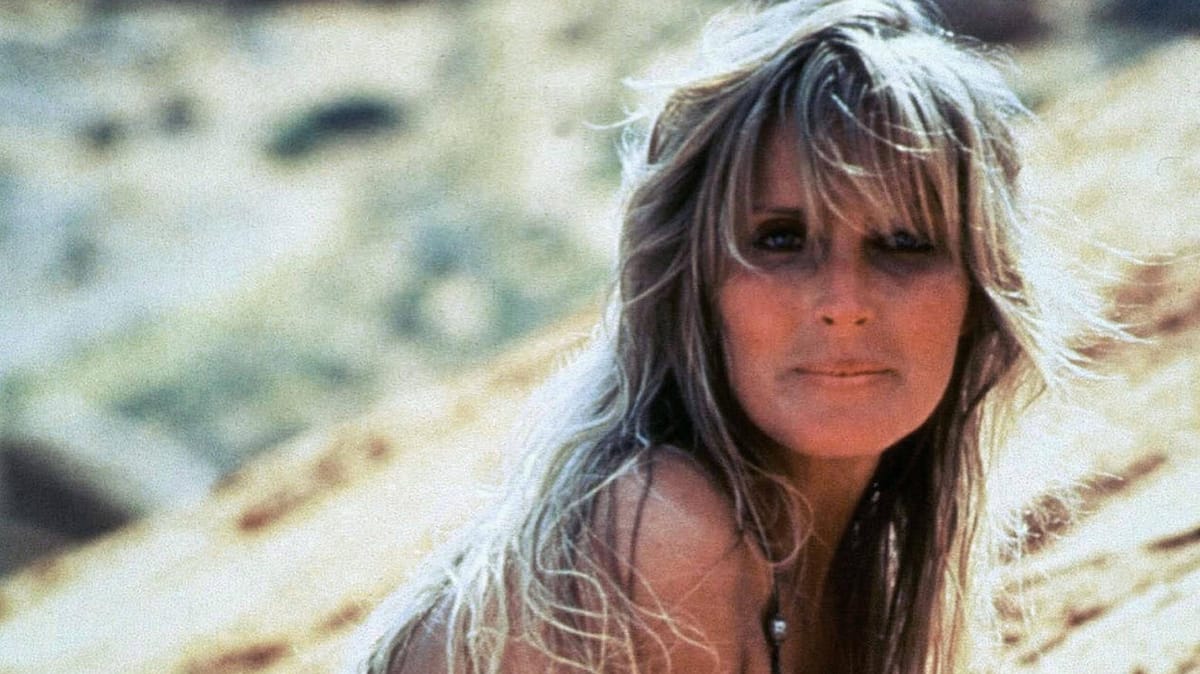
John had previously been married to other striking actresses, including Ursula Andress and Linda Evans, whom he had also photographed and styled extensively. With Bo, he took his visual obsession even further:
- He dictated her wardrobe, public appearances, and photographic lighting.
- He orchestrated her famous Playboy pictorials, controlling the camera to ensure she was viewed precisely as he intended.
- He encouraged the daring, minimalist aesthetic that made her a global sex symbol while tightly managing her public persona.
This dynamic led many critics to view Bo as a real-life Pygmalion project—a passive mannequin molded by an older Svengali. However, Derek herself has frequently pushed back on that simplistic narrative. While she credited John with teaching her the business of photography and visual framing, she maintained that she was a willing and enthusiastic participant in building her brand.
The Double-Edged Sword of Being a "Perfect 10"
The label that launched Derek's career soon became a professional cage. In Hollywood, being crowned an absolute visual pinnacle left very little room for creative growth or dramatic credibility.
Her subsequent projects throughout the 1980s—including Tarzan, the Ape Man (1981), Bolero (1984), and Ghosts Can't Do It (1989)—were directed by John Derek and emphasized her nudity and physical form over script quality or character depth. Mainstream critics were unforgiving, routinely targeting her acting abilities and awarding her multiple Golden Raspberry Awards.
The secret tragedy of Derek's early fame was that the industry had zero interest in who she was beneath the tan. The "10" moniker was an impossible pedestal; once age and shifting tastes inevitably arrived, the Hollywood ecosystem had no blueprint for how to let a living symbol grow into a multifaceted artist.
Beyond the Swimsuit: Reclaiming Her Narrative
Rather than fighting a losing battle against an industry fixated on youth, Derek made a conscious choice to step back from the Hollywood meat grinder. The true allure of her later life lies in how completely she detached her identity from the image that made her famous.
Following John Derek's death in 1998, Bo forged an independent path defined by personal passions rather than red-carpet expectations:
- Equine Passion and Breeding: A lifelong horse lover, Derek became a dedicated breeder of purebred Andalusian horses and served on the California Horse Racing Board.
- Wildlife Conservation: She joined forces with organizations like WildAid, actively campaigning against the illegal wildlife trade, shark finning, and ocean pollution.
- Veterans Advocacy: Derek has spent decades working with the Department of Veterans Affairs, serving as an honorary chairperson for national rehabilitation events.
Finding enduring love later in life, Derek began dating actor John Corbett in 2002; the couple married quietly in 2020 after nearly two decades together, living a private, grounded life on a ranch in Santa Barbara.
The Enduring Myth of a Pop Culture Icon
Did Bo Derek's iconic look hide a secret? It didn't hide a scandal in the traditional tabloid sense. Instead, it hid the reality of the Hollywood dream machine: that effortless glamour is rarely effortless, that beauty is often manufactured through pain and control, and that an image celebrated by millions can quickly become an isolating prison for the person inhabiting it.
Bo Derek survived the intense gaze of global objectification not by trying to remain twenty-two forever, but by gracefully stepping out of the frame. Her real triumph isn't that she was once a "10" on a movie poster—it's that she lived long enough, and wisely enough, to prove she was so much more.