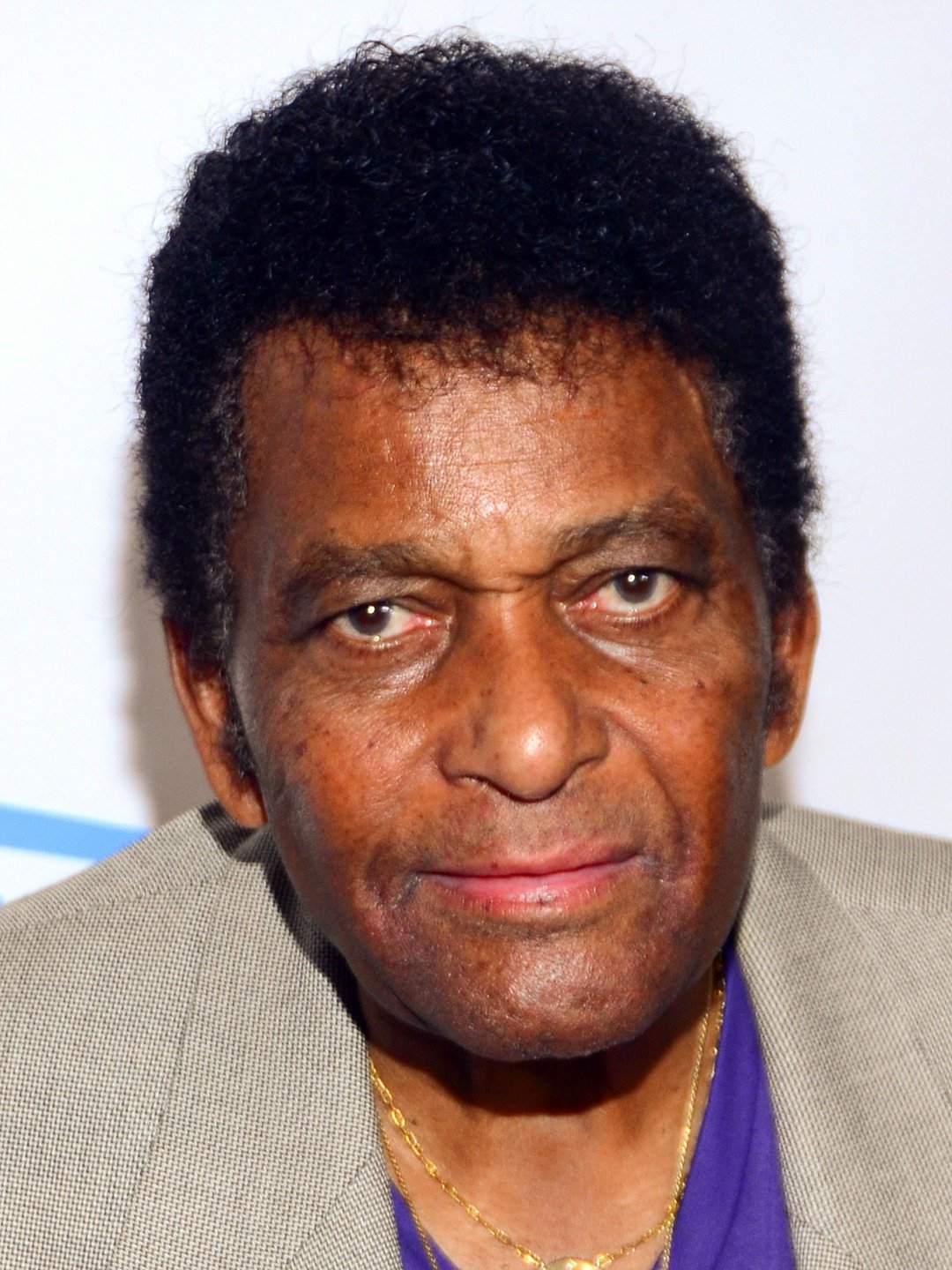
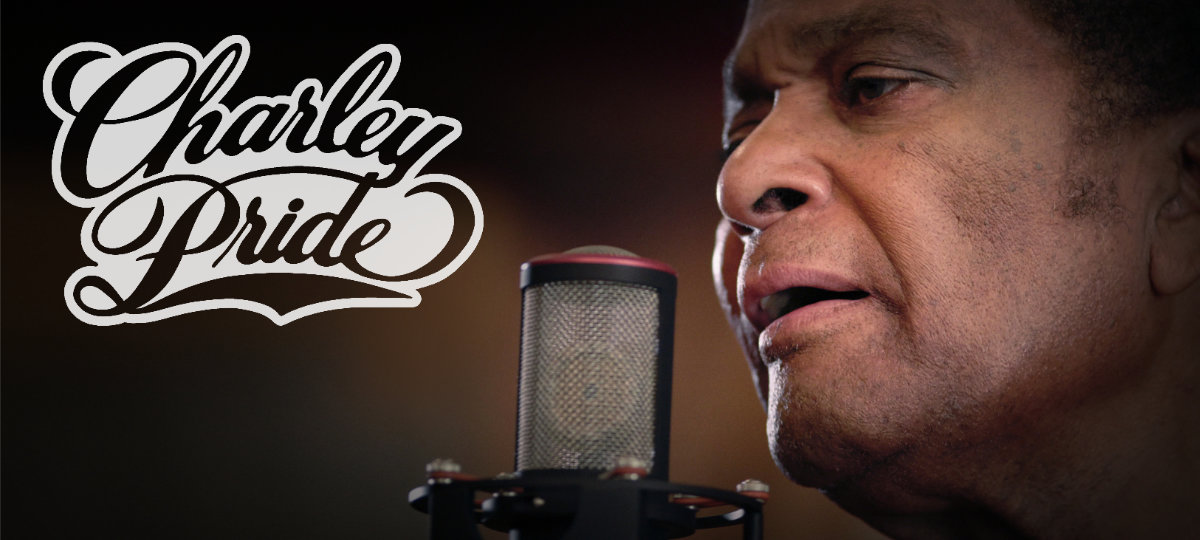
Did Charley Pride Earn $100M? His Fortune Explained
When Charley Pride passed away in December 2020 at the age of 86, he left behind one of the most celebrated catalogs in American music history. As RCA Records' best-selling artist since Elvis Presley, Pride broke racial barriers in country music and notched dozens of chart-topping hits. Yet, his legacy was not just artistic—it was intensely commercial. In discussions surrounding music industry wealth, one question frequently surfaces: did Charley Pride earn over $100 million? The economy of his fortune explained reveals a sophisticated business model that extended far beyond concert tickets and album royalties.

While standard celebrity net worth trackers routinely estimated his net worth at his death between $40 million and $50 million, examining his lifetime gross revenues, asset transactions, and investment portfolios shows a financial reality that easily pushed past the nine-figure mark.
Net Worth vs. Lifetime Gross: Understanding the Numbers
To evaluate whether Charley Pride earned over $100 million, economists and industry analysts separate personal net worth at a single point in time from lifetime gross earnings and enterprise value.
A net worth of $40 million to $50 million in liquid and tangible assets typically requires a career gross substantially higher. Over six decades in the public eye, Pride faced substantial deductions:
- Federal and state income taxes (frequently reaching 50% to 70% during the peak of his career in the 1970s).
- Managerial commissions, legal fees, and booking agent percentages (customarily 15% to 25%).
- Touring logistics, payroll for backing band The Pridesmen, transport, and equipment.
- Substantial philanthropic gifts and charitable foundations.
When factoring in inflation and total revenue generated across record sales, global tours, publishing rights, and private equities, Pride unquestionably generated and controlled well over $100 million during his lifetime.
The RCA Engine: 70 Million Records and 29 Number-One Hits
Pride signed with RCA Victor in 1965 under the mentorship of Chet Atkins. Over the next two decades, he released a torrent of hits, including classics like "Kiss an Angel Good Mornin'," "Is Anybody Goin' to San Antone," and "Mountain of Love."
The scale of his musical footprint was immense:
- Total Sales: An estimated 70 million records sold worldwide across vinyl, 8-tracks, cassettes, CDs, and digital downloads.
- Chart Dominance: 52 Top-10 Billboard country hits and 29 number-one singles.
- RCA Hierarchy: Only Elvis Presley sold more units for RCA Records during the mid-20th century.
In standard recording contracts of the 1960s and 1970s, artist royalty rates were low by modern standards—often 8% to 12% of retail price, minus packaging deductions. However, volume drove Pride's financial breakout. Selling tens of millions of physical albums provided the initial liquidity that fueled his wider empire.
The Power Play: Pi-Gem Music and Publishing Ownership
Recording royalties made Pride wealthy; music publishing made him an empire builder. Recognizing early on that the songwriter and publisher retain the most durable revenue streams in the music business, Pride partnered with producer and manager Tom Collins to establish Pi-Gem Music and Morning Music.
Pi-Gem did not simply house Pride's own catalog. It acquired and published compositions from legendary Nashville songwriters, securing rights to songs recorded by Ronnie Milsap, Barbara Mandrell, and other top-tier acts.
In 1981, Pride and Collins sold Pi-Gem Music to the Welk Music Group for a reported sum between $15 million and $20 million. In today's purchasing power, that single transaction represents between $50 million and $65 million. This liquidity event decoupled Pride from the need to tour for survival and provided capital for high-yield private investments.
Did Charley Pride Earn Over $100 Million? The Economy of His Fortune Explained Through Investments
Video: Charley Pride's Story of Country Music, Baseball, Mental Health, & More | From the NPT Archives
The true scope of Pride's fortune lay outside Nashville in commercial banking, corporate aviation, real estate, and Major League Baseball. Pride approached wealth building with conservatism and long-term discipline.

1. Founding First Texas Bancorp
Pride was not merely an account holder; he became a major shareholder and director of First Texas Bank in the Dallas area. By participating as a financial founder rather than a passive depositor, he benefited from decades of equity growth, dividends, and banking deregulation during the Texas real estate boom.
2. The Texas Rangers Stake
Before his music career, Pride played in the Negro American League and minor leagues. In 2010, his passion for baseball merged with elite private equity when he joined an investment group led by Chuck Greenberg and Hall of Fame pitcher Nolan Ryan to purchase the Texas Rangers baseball franchise for approximately $593 million.
Pride retained a minority ownership stake in the team until his death. By 2020, sports franchise valuations had skyrocketed, with the Rangers valued at roughly $1.75 billion. His equity interest in the franchise represented tens of millions of dollars in unrealized capital appreciation.
3. Commercial Real Estate and Aviation
Through Cecca Productions and personal holdings, Pride acquired substantial commercial and residential property across North Texas, particularly around Dallas, where he resided for decades. He also invested early in corporate aviation, owning private aircraft that served dual purposes: minimizing touring expenses and serving as depreciable business assets.
Five Decades of Relentless Live Touring
Live performance is the primary cash engine for veteran musicians. Pride was an exceptional touring draw who worked steadily well into his eighties, playing arenas, theaters, performing arts centers, and international venues.
In the 1990s, Pride was among the pioneer country stars to open a dedicated theater in Branson, Missouri—the Charley Pride Theater—capitalizing on the regional live-entertainment boom. His ability to command five-figure and six-figure guarantees per date over five decades created an uninterrupted pipeline of gross income estimated at $60 million to $80 million before expenses.
Estate Disclosures and Hidden Family Assets
Following his death, legal proceedings in Dallas County probate court shed light on the complexity of Pride's estate. A will contest filed by his son, Tyler Tynes, brought court scrutiny to Pride's estate structure, which relied extensively on revocable and irrevocable trusts.
Trust structures are intentionally private, shielding the exact total of liquid investments, partnership units, and cash equivalents from the public record. However, court filings and asset schedules confirmed that the aggregate value of his trusts, business holdings, music royalties, and real estate easily surpassed typical public estimations, providing clear evidence of generational wealth built over half a century.
The Final Verdict
Did Charley Pride earn over $100 million? If measured as aggregate gross career revenue, business proceeds, and asset value, the answer is an unequivocal yes.
Between the mid-1960s and 2020, the economic turnover generated by his music catalog, the multi-million-dollar buyout of Pi-Gem Music, five decades of international touring, Texas banking equities, and his ownership stake in the Texas Rangers generated upwards of $150 million to $200 million in combined economic activity. Charley Pride proved that sustained independence, ownership of master and publishing rights, and conservative equity investing could turn country music stardom into lasting industrial wealth.