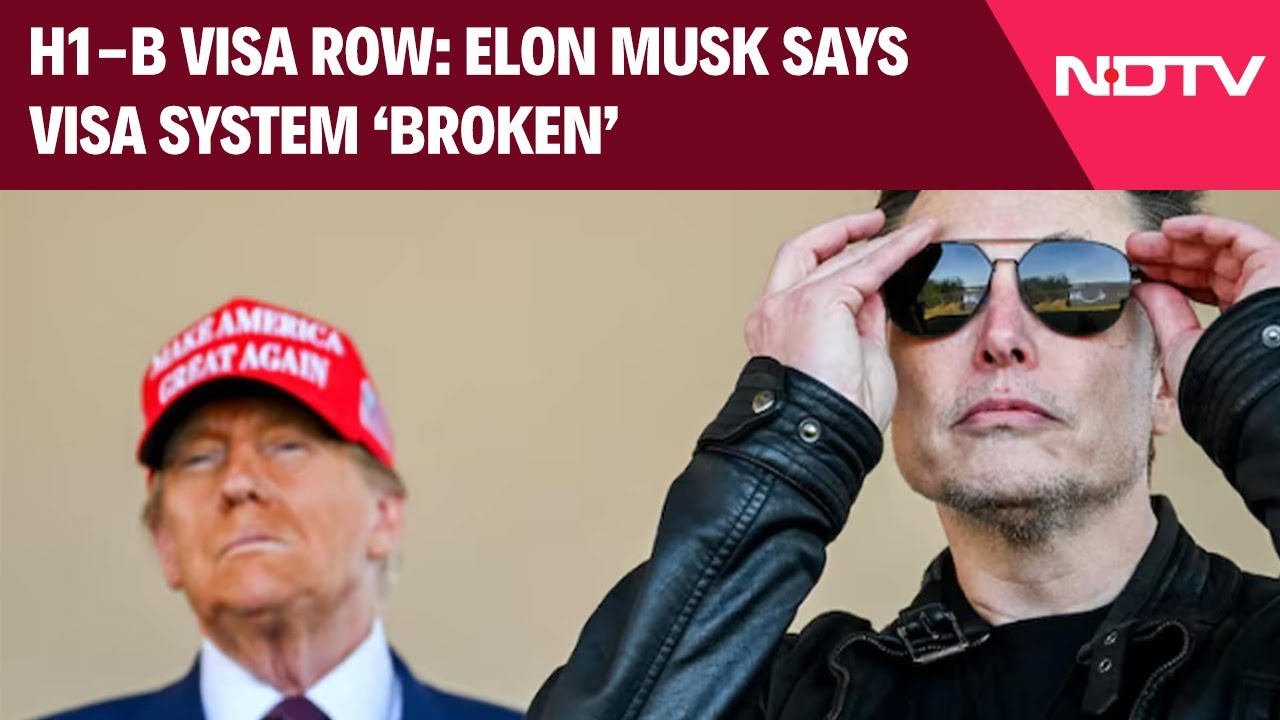
Did Elon Musk Overstay His Visa? The Truth Explained
Few public figures generate as much constant media scrutiny as Elon Musk. From his leadership at Tesla and SpaceX to his acquisition of X (formerly Twitter), every facet of his life is heavily analyzed. However, one enduring question from his early career continues to surface in political and legal debates: did Elon Musk overstay his visa when he first arrived in the United States?

Understanding the truth requires looking back at the mid-1990s, when a young Musk dropped out of a graduate program to pursue entrepreneurship. Immigration laws, entrepreneurial ambitions, and retrospective reporting all intersect in this complex historical narrative.
The Timeline of Elon Musk’s Arrival in the US
To understand the visa controversy, it is necessary to trace Musk’s geographic and academic movements during his early adulthood.
- 1989: Musk moves from South Africa to Canada, acquiring Canadian citizenship through his mother.
- 1992: He leaves Canada to attend the University of Pennsylvania on a student visa, studying physics and economics.
- 1995: Musk moves to California to attend Stanford University for a PhD program in applied physics and material sciences.
However, his stay at Stanford was extremely brief. According to multiple historical accounts, Musk attended the university for just two days before deciding to drop out and launch his first software company, Zip2, alongside his brother Kimbal Musk.
Did Elon Musk Overstay His Visa? The Core Allegations
The controversy primarily stems from the transition between his student status and his status as a tech founder. When someone enters the United States on a student visa (F-1 visa), that legal status is tied directly to maintaining full-time enrollment in an educational institution.
When Musk dropped out of Stanford after 48 hours, his legal justification for remaining in the country on a student visa arguably ceased. Critics and investigative reports have questioned whether he remained in the United States out of status while trying to secure venture capital funding for Zip2 before eventually obtaining proper work authorization or permanent residency.
What Reports Have Claimed
In late 2023 and 2024, publications like The Washington Post published detailed investigative pieces examining immigration records and archival documents from Musk's early career. These reports suggested that Musk may have worked in the United States without valid work authorization during the period immediately following his departure from Stanford.
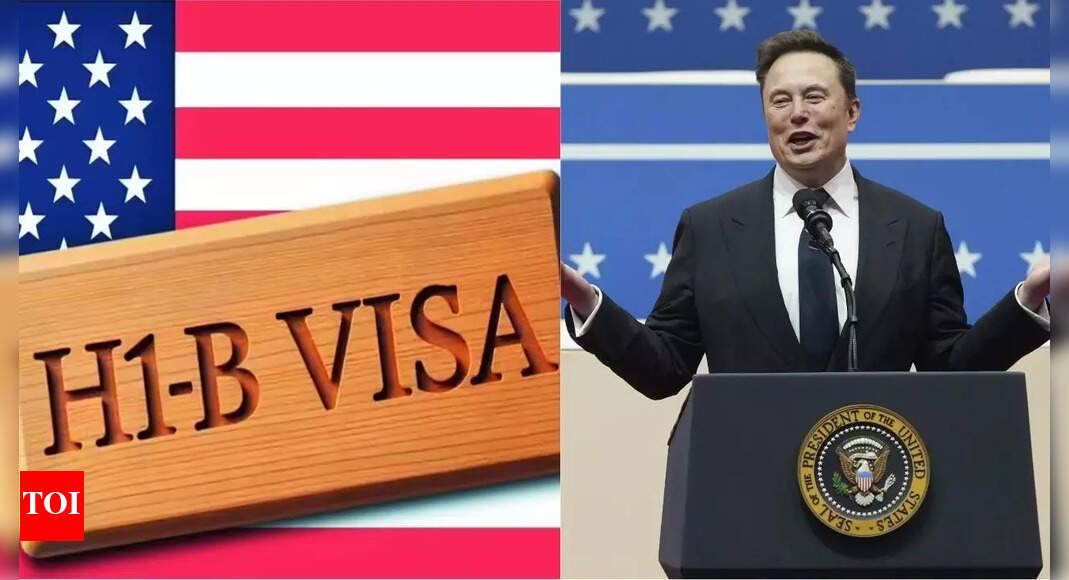
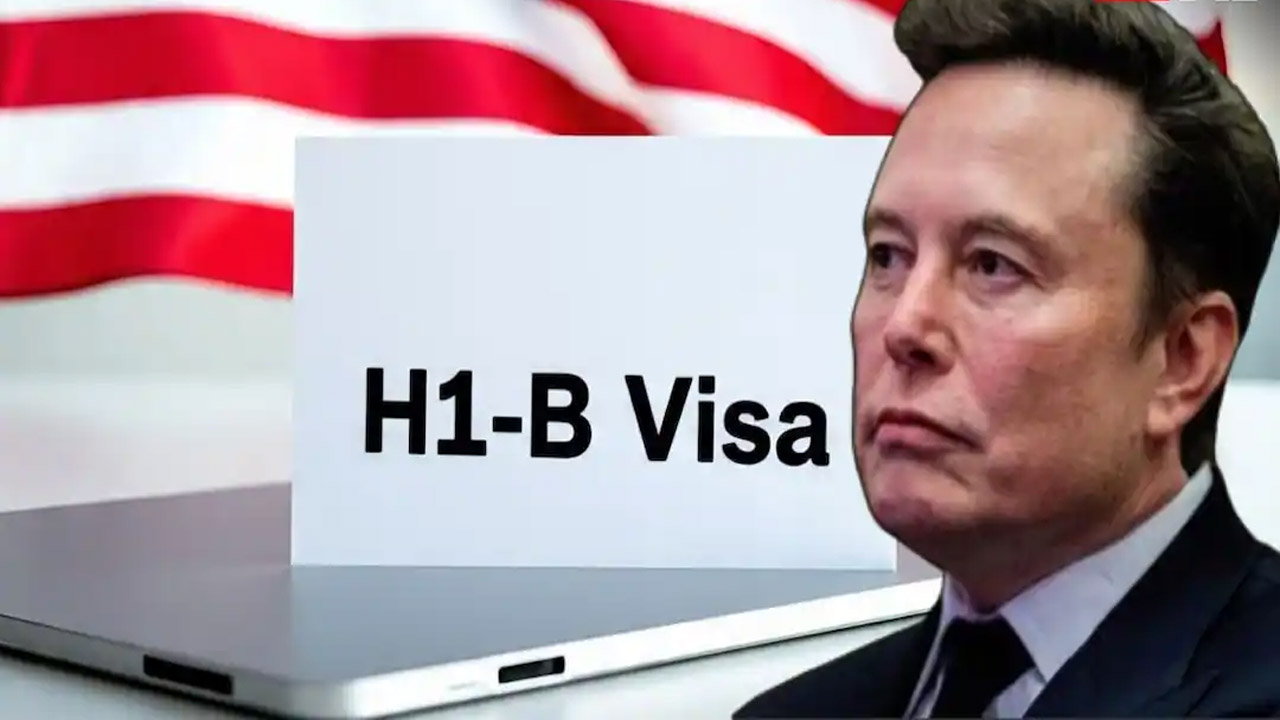
Because non-citizens cannot legally drop out of school and immediately begin operating a commercial enterprise without the correct visa category—such as an H-1B or investor visa—any gap in authorized status becomes a point of legal vulnerability. Critics have pointed out the irony of these alleged early immigration infractions given Musk's later prominence and outspoken commentary on legal versus illegal immigration.

Elon Musk’s Response and Perspective
Elon Musk has occasionally addressed aspects of his early legal status in the United States, emphasizing that he operated under a valid legal framework during the founding of Zip2.
According to Musk and his associates from that era, they were eventually working under legal advice, and the company successfully secured investment from venture capital firms like Mohr Davidow Ventures. Crucially, institutional investors typically conduct rigorous legal and immigration checks on startup founders before wiring millions of dollars in funding. If there had been an insurmountable structural immigration flaw, securing institutional backing would have been exceptionally difficult.
The Path to Legal Residency
Regardless of any administrative or status gaps in 1995, Musk successfully regularized his immigration status over the subsequent years. As Zip2 grew, the company employed legal counsel to manage work permits and residency applications for its founders. Musk eventually obtained a green card and subsequently became a naturalized United States citizen.
Broader Context: Immigration in the Tech Sector
The debate over whether Elon Musk overstayed his visa highlights a broader reality of the American technology industry during the 1990s dot-com boom. Many foreign-born entrepreneurs arrived on student visas, encountered massive commercial opportunities, and navigated a complex, often sluggish immigration system that struggled to keep pace with fast-moving internet startups.
While bureaucratic delays and temporary gaps in status were common among immigrant founders of that era, the specifics of Musk's timeline remain a subject of intense public interest due to his current status as the world's wealthiest individual and a major political commentator.
Conclusion
So, did Elon Musk overstay his visa? Historical investigations suggest that when he dropped out of Stanford in 1995 to start Zip2, he may have experienced a period where his F-1 student status was no longer valid, raising questions about whether he was legally authorized to work in the US at that exact moment. However, those early hurdles were resolved as his companies grew, paving the way for his eventual U.S. citizenship. While the debate highlights the complexities of 1990s immigration rules, it ultimately remains a chapter in the origin story of one of tech's most polarizing figures.