Did Lacey Ellen Fletcher Receive Proper Care? The Evidence Speaks
Introduction to a Tragic Case

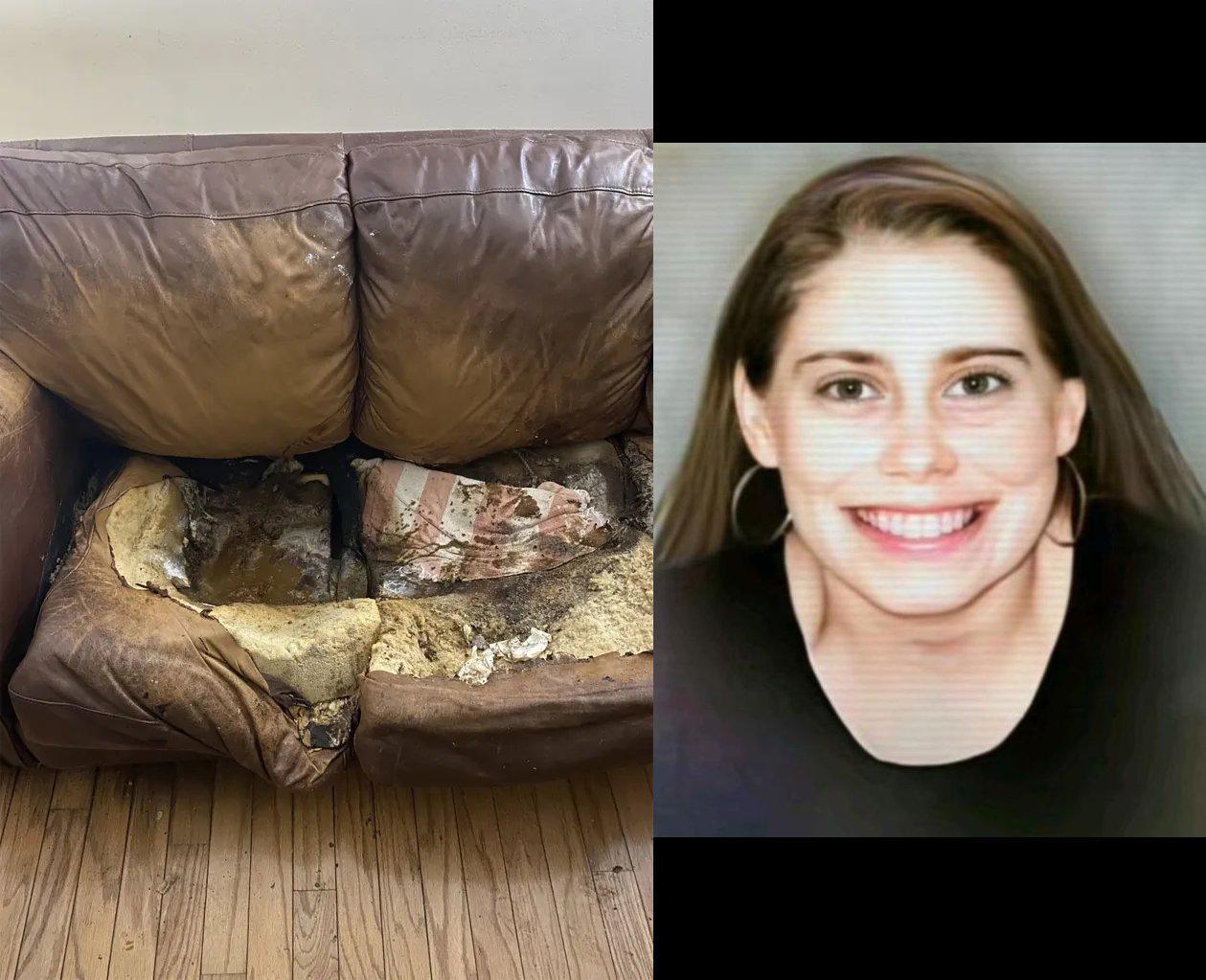
The tragic death of Lacey Ellen Fletcher shook the public conscience not only due to its horrific details but because of the profound questions it raised about duty, neglect, and accountability. When emergency responders arrived at the Fletcher family home in Slaughter, Louisiana, in January 2022, they encountered a scene of unimaginable neglect. As investigators gathered facts and medical professionals conducted forensic examinations, a central question emerged: Did Lacey Ellen Fletcher receive proper care? The evidence speaks volumes, painting a devastating picture of total systemic and familial abandonment.
Understanding what happened to Lacey requires looking past the shock value of the headlines and examining the objective evidence presented during the legal proceedings. From the forensic pathologist's testimony to the statements made by her caretakers, the factual record offers a clear window into months—if not years—of profound medical and physical neglect.
The Medical and Forensic Evidence
To determine whether Lacey received adequate care, investigators relied heavily on forensic pathology, toxicology, and environmental analysis. The state of her body at the time of her death provided undeniable physical evidence regarding her living conditions and daily treatment.
Autopsy Findings and Cause of Death
The East Baton Rouge Parish Coroner’s Office performed an autopsy that revealed horrific details about Lacey’s physical state. Lacey, who was 36 years old at the time of her death, weighed less than 100 pounds and suffered from severe malnutrition. Her body was fused to a sunken-in couch, embedded in a mixture of urine, feces, and insect infestations.
The coroner ruled her death a homicide, specifically attributing it to acute medical neglect. The autopsy noted severe bone erosion, ulcerations across her body from prolonged immobility, and a severe COVID-19 infection that ultimately compromised her weakened system. The sheer physical deterioration of her body decisively answered whether she had received proper care: she had suffered catastrophic, prolonged deprivation.
Locked-In Syndrome and Medical History
Defense arguments initially pointed to Lacey's psychological and neurological history to explain her condition. Lacey reportedly suffered from severe social anxiety and what experts suspected was a form of locked-in syndrome or severe autism, which caused her to withdraw entirely from the outside world and refuse medical assistance.
However, medical and legal experts testified that psychological struggles do not absolve legal guardians or caretakers of their basic duties. Even if Lacey resisted leaving the couch, proper care would have involved:

- Seeking professional psychiatric and medical interventions.
- Providing adequate daily nutrition and hydration.
- Preventing severe pressure ulcers through regular repositioning and hygiene management.
- Ensuring a sanitary living environment to prevent infection.
The complete absence of these basic interventions demonstrated a gross dereliction of duty by her parents, who acted as her primary caregivers.
The Actions of the Caregivers
Lacey’s parents, Sheila and Clay Fletcher, were pillars of their small Louisiana community. Yet, the evidence presented by prosecutors revealed a stark disconnect between their public standing and their private actions inside the home.
The Failure to Seek Professional Help
According to investigative findings, Sheila and Clay Fletcher did not seek medical attention for their daughter for years. Despite her worsening physical condition—evident through visible rotting flesh, extreme weight loss, and an inability to move—they chose isolation over intervention. Text messages, interviews, and police reports confirmed that the parents fed Lacey and occasionally provided water, but utterly failed to address her mounting medical crises.
When questioned by authorities, the parents claimed Lacey simply refused to get off the couch and that they were respecting her autonomy. Prosecutors successfully argued that framing extreme neglect as "respect for autonomy" was a legal and moral failure. When an individual lacks the capacity to make life-or-death decisions due to physical or mental incapacitation, caregivers have a legal obligation to intervene.
Legal Outcomes and Accountability
The overwhelming weight of the physical and forensic evidence led to swift legal action against Sheila and Clay Fletcher. Initially charged with second-degree manslaughter, the parents ultimately pleaded no contest to manslaughter in 2024.
During the sentencing phase, the prosecution emphasized the undeniable nature of the evidence. Judge Kathleen Stewart Richey sentenced the parents to 40 years in prison, with 20 years suspended, expressing horror at the cruelty of Lacey’s final years. The legal outcome reinforced a vital societal standard: vulnerability does not justify abandonment, and family members who assume the role of caregiver are legally bound to provide a minimum standard of humane treatment.
Conclusion
The evidence in the case of Lacey Ellen Fletcher leaves no room for ambiguity. The autopsy reports, photographic evidence, and investigative findings confirm that she did not receive proper care. Instead, she endured prolonged, horrific neglect that ultimately cost her life. By examining the facts of this tragedy, society is reminded of the critical importance of protecting vulnerable adults and holding negligent caretakers fully accountable under the law.