Did P. Diddy's 90s Reign Shape Music Forever?
When music historians look back at the landscape of modern popular culture, few eras stand out quite like the 1990s. At the epicenter of hip-hop's commercial explosion stood Sean "Puffy" Combs, a charismatic hitmaker and visionary executive who seemingly touched everything in the industry. But as contemporary controversies cast a harsh light on his legacy, fans and critics alike are left asking a crucial question: Did P. Diddy's 90s reign REALLY shape music FOREVER? The shocking truth is far more complex than simple nostalgia suggests.

To understand his impact, we have to look past the tabloid headlines and examine the recording studios, boardrooms, and marketing strategies that forever altered the trajectory of American music. Diddy didn't just participate in the 90s golden era of hip-hop; in many ways, he engineered its commercial blueprint.
The Blueprint of Bad Boy Records
Before Sean Combs founded Bad Boy Entertainment in 1993, hip-hop was viewed by major record labels as a risky, niche genre with a limited shelf life. Combs changed that narrative overnight by blending raw street credibility with glossy, high-budget pop appeal.
Operating out of New York City, Bad Boy Records became a dominant force through a combination of undeniable talent and relentless promotion. Combs understood that hip-hop was no longer just about the music—it was a lifestyle.
- The Notorious B.I.G.: Launching the career of Christopher Wallace cemented Bad Boy as a powerhouse of lyrical storytelling.
- Pop-Rap Crossovers: Combs mastered the art of pairing hard-hitting rap verses with smooth R&B hooks and recognizable 70s and 80s samples.
- Cinematic Visuals: He treated music videos like Hollywood movie trailers, establishing a standard of luxury that hip-hop artists emulate to this day.
Revolutionizing the Art of the Sample
One of Diddy’s most significant contributions to music production was his approach to sampling. While artists in the golden era regularly pulled breaks from funk and soul records, Combs took the practice to a pop-radio level.
Songs like Faith Evans' "Soon as I Get Home" and Notorious B.I.G.'s "Hypnotize" relied on instantly recognizable loops from artists like Herb Alpert and Chic. Purists initially accused Combs of leaning too heavily on already-proven hits, but the strategy was undeniably effective. It bridged generational divides, making classic soul and disco accessible to a younger hip-hop audience while driving massive radio airplay.
The Birth of Hip-Hop Mogul Culture
Perhaps Diddy’s most enduring legacy is not musical, but entrepreneurial. Before Combs, rappers were typically viewed as employees of record labels. Diddy shattered that paradigm by positioning himself as the ultimate boss, brand owner, and executive.
Video: How Diddy Changed Music Forever
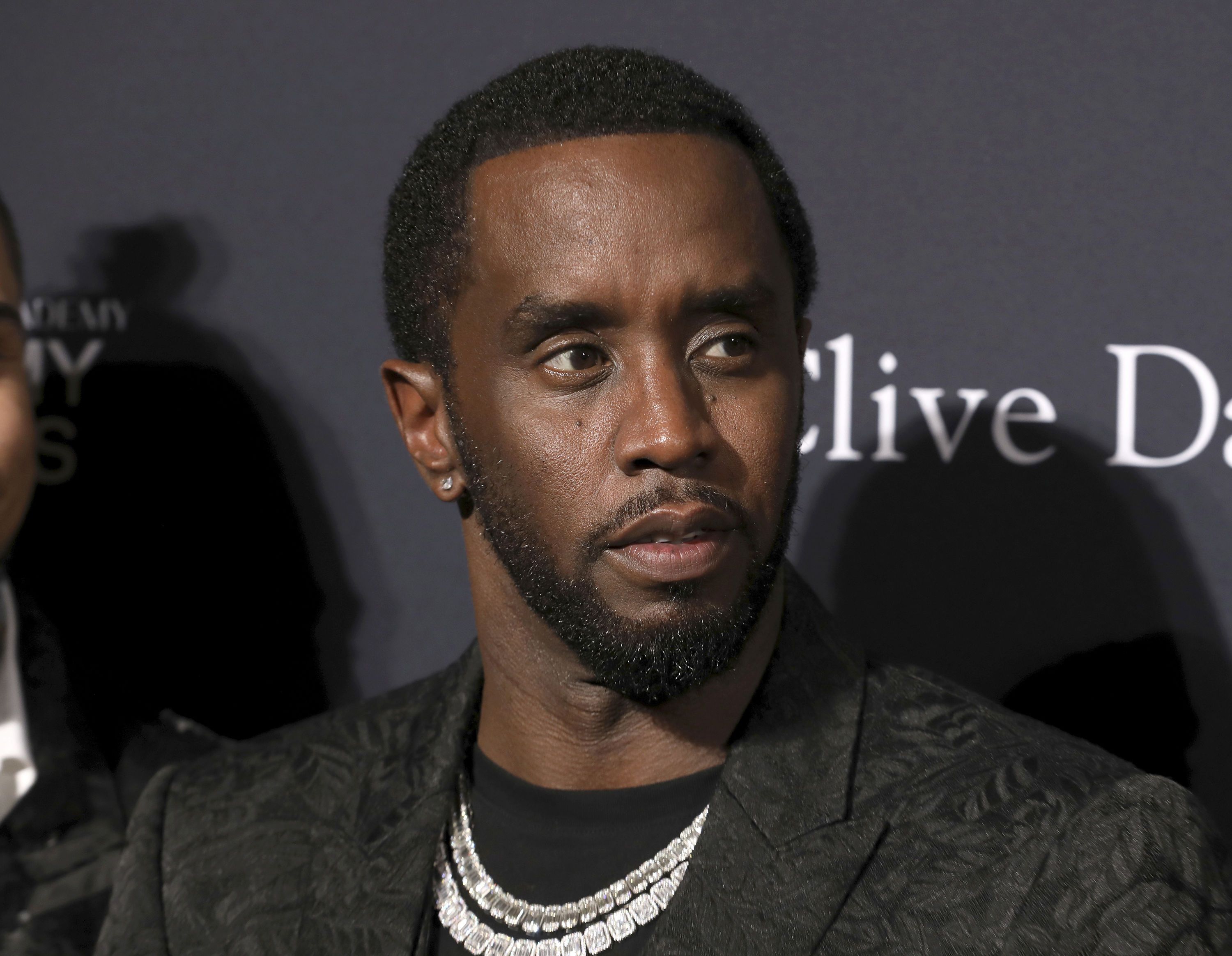
He launched Sean John, a clothing line that bridged urban streetwear and high fashion, proving that hip-hop artists could dictate global style trends. This pivot transformed rappers from performers into billionaire-bound CEOs. Figures like Jay-Z, Dr. Dre, and 50 Cent later adopted and expanded upon this playbook, turning hip-hop culture into a dominant global economic force.
The Shift from Artist to Executive
Combs famously branded himself as "Puffy" the hype man, dancing in the background of his artists' videos before stepping into the spotlight as a solo artist with "No Way Out." By keeping his face and name front and center, he became a celebrity in his own right. This blurred the line between the executive suite and the stage, setting a precedent that modern music moguls follow today.
The Dark Side and Complicated Legacy
Discussing Diddy's 90s reign without acknowledging the turbulence of that era would be incomplete. The intense rivalry between East Coast and West Coast hip-hop—fueled in part by media sensationalism and label politics—resulted in tragic losses, including the murders of Tupac Shakur and The Notorious B.I.G.
Furthermore, recent legal battles, federal investigations, and public allegations of abuse have cast a very dark shadow over his historical contributions. For many fans, separating the undeniable cultural output of the 90s from the subsequent revelations about his personal conduct has become an impossible challenge.
Conclusion: Did He Shape Music Forever?
Ultimately, the answer is yes, but with major caveats. Diddy's 90s reign shaped the commercial mechanics, marketing strategies, and aesthetic standards of modern hip-hop and pop music. He proved that Black music executives could build empires on their own terms.
However, the shocking truth of his legacy is that cultural influence is rarely pure. While the beats, the fashion, and the entrepreneurial spirit of 90s Bad Boy Records remain embedded in the DNA of today's music industry, the human cost and the reckoning surrounding Sean Combs serve as a stark reminder of the complexities behind the music we consume.