Did This JonBenét Ramsey Crime Scene Pic Change Everything?
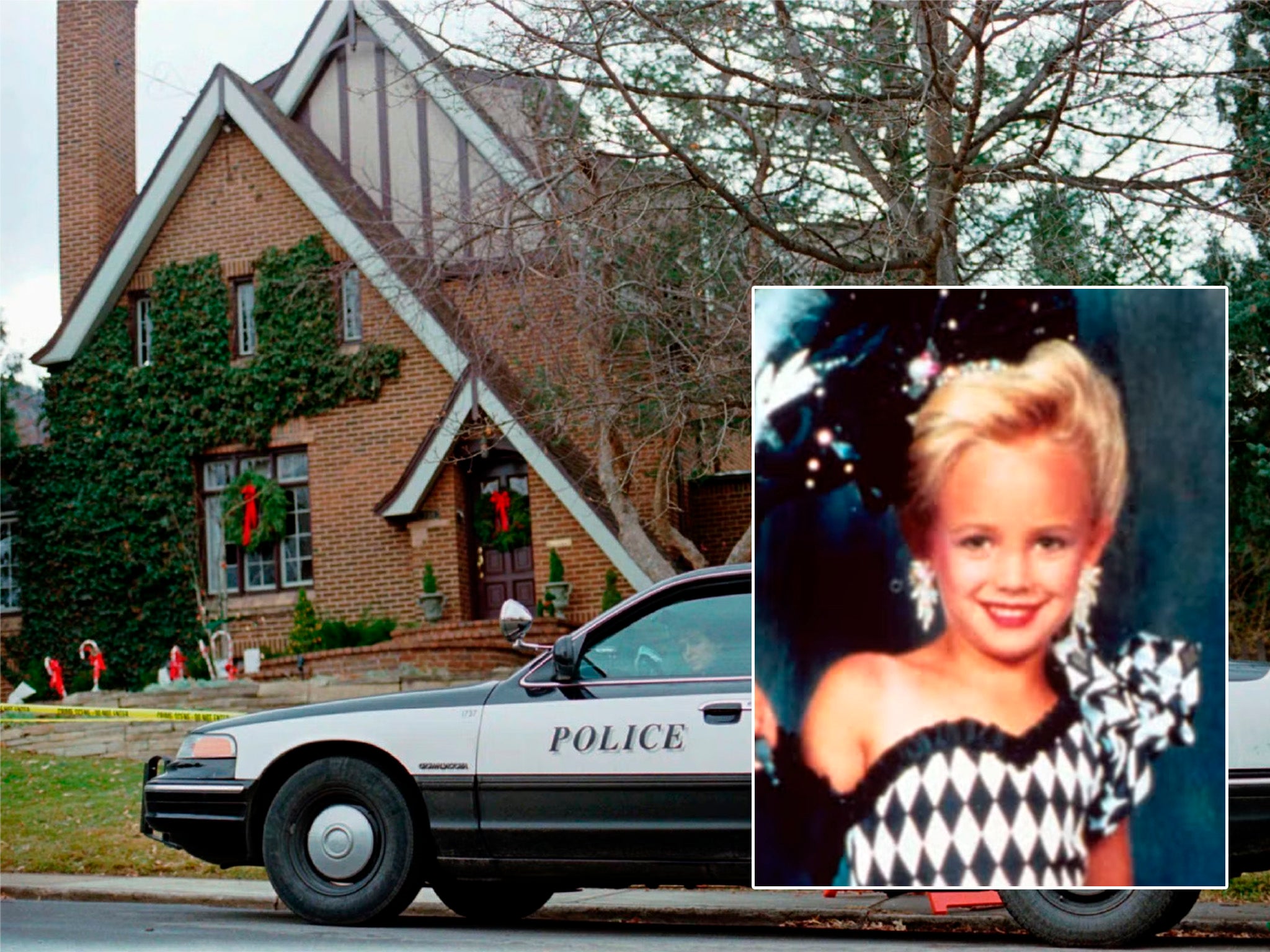
Decades after the tragic morning of December 26, 1996, the unsolved murder of six-year-old JonBenét Ramsey remains one of the most scrutinized cases in American history. Over the years, true crime analysts and amateur sleuths have frequently revisited photographic evidence from inside the 7,100-square-foot Tudor home in Boulder, Colorado. But among thousands of pages of case files and forensic exhibits, one critical photograph sparked heated debate across documentaries, podcasts, and online forums: Did this JonBenét Ramsey crime scene pic change everything?
The image in question—a kitchen tabletop featuring a bowl of cut pineapple with an oversized spoon—became a pivotal flashpoint between Boulder police and the Ramsey defense team. Paired with photos of the basement window and Samsonite suitcase, this visual snapshot altered the timeline, challenged witness statements, and fundamentally split the investigation into two irreconcilable camps.
The Pineapple Bowl Photo: The Detail That Upended the Timeline
On the morning JonBenét was reported missing via a frantic 911 call from her mother, Patsy Ramsey, police conducted initial sweeps of the home. Among the items photographed in the breakfast room was a clear glass bowl sitting on the table. Inside was sliced fresh pineapple submerged in milk or cream, with a large serving spoon resting inside the bowl.
At first glance, it seemed like an ordinary household artifact. However, the photo quickly became crucial due to two major factors:
- The Autopsy Findings: During the post-mortem examination, Boulder County Coroner Dr. John Meyer discovered partially digested pineapple in JonBenét’s duodenum (small intestine). Forensic pathologists determined this food had been consumed shortly before her death, likely between one and two hours prior to the fatal trauma.
- The Parents’ Testimony: Both John and Patsy Ramsey consistently stated under oath that after returning home from a Christmas dinner at the Stine family residence around 9:30 or 10:00 p.m. on Christmas night, JonBenét was fast asleep in the backseat of their car. John stated he carried her straight up to bed, and Patsy put her in her pajamas. Both maintained that she had nothing to eat that night.
The photograph of the bowl, combined with subsequent fingerprint testing that found prints matching Patsy Ramsey and JonBenét’s older brother, Burke, appeared to contradict the parents’ official narrative. For investigators building an indictment, this single piece of photographic evidence suggested that someone in the home was awake, preparing food, and interacting with JonBenét hours after she had supposedly gone to sleep.
Did This JonBenét Ramsey Crime Scene Pic Change Everything?
While prosecutors viewed the pineapple photo as compelling circumstantial evidence, it did not resolve the central mystery of who committed the crime. Instead of ending the debate, the photograph deepened the investigative divide and illustrated the complex nature of the crime scene.
Critics of the Boulder Police Department’s early focus argued that the photo was over-interpreted. The Ramsey defense and independent analysts highlighted several alternative possibilities:
- No Pineapple on JonBenét’s Hands: Forensic swabs of JonBenét’s hands did not yield pineapple residue, leading some to theorize an intruder may have offered it to coax her downstairs, or that she ate it earlier during Christmas Day festivities.
- Household Clutter: The Ramsey household was notoriously disorganized during the post-Christmas rush. The defense argued the bowl could have been left out earlier, although the lack of decay on the fruit suggested it was relatively fresh.
- Burke’s Fingerprints: Proponents of the family-involvement theory focused heavily on Burke’s fingerprints on the bowl. However, Burke was a nine-year-old boy living in the house; finding his prints on household dishware was expected and did not establish his presence during the commission of the crime.
Ultimately, the photo did not secure an arrest or lead to an open-and-shut case. What it did change, however, was public and investigative focus. It shifted the primary scrutiny inward toward the family, shaping media narratives for the next two decades.
The Counter-Image: The Basement Window and the Suitcase
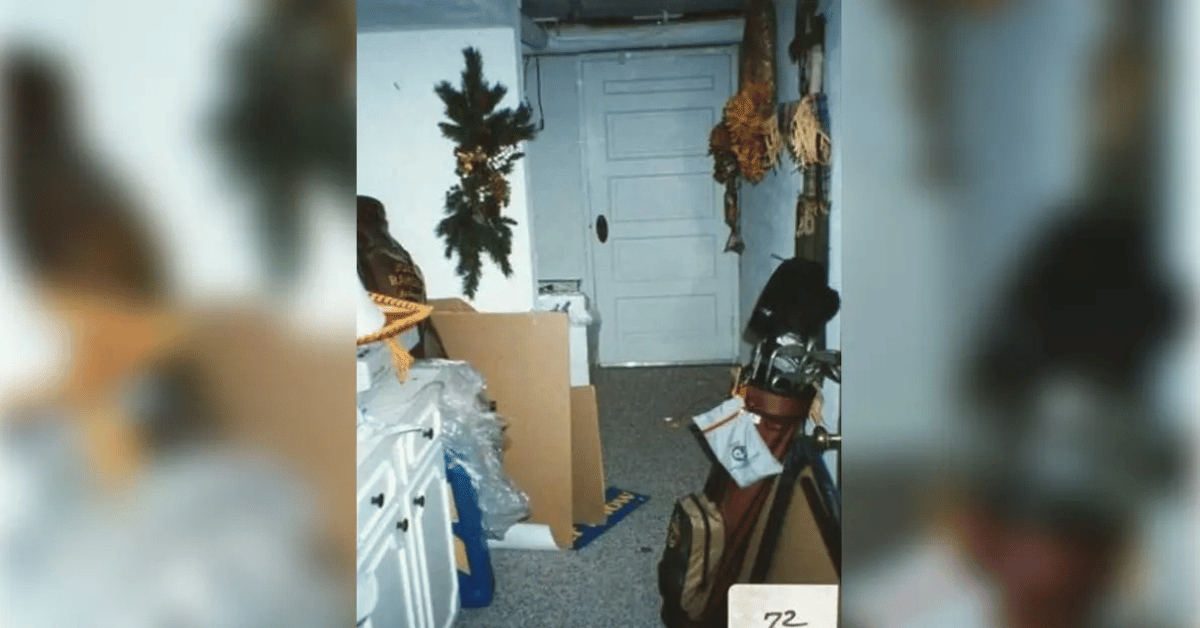
If the pineapple photo was the cornerstone of the theory that the family was involved, another set of crime scene photographs became the rallying cry for the intruder theory. Renowned homicide investigator Lou Smit, brought in by the Boulder District Attorney’s office in 1997, pointed to photographs taken in the basement train room as crucial evidence of an outsider entering the residence.
Video: JonBenét Ramsey: Was the Crime Scene Staged?

The Suitcase Below the Window
Crime scene photos revealed an open, broken basement window with a Samsonite suitcase placed directly beneath it. Smit noted an abrasion on the top of the suitcase that appeared to match the imprint of a boot or shoe, arguing that an intruder had stepped on the suitcase to climb out of the deep window well.
The Cobweb Controversy
Opponents of the intruder theory argued that an intact cobweb in the corner of the window frame showed that no grown adult could have squeezed through the grate without disturbing it. However, Smit’s review of the crime scene photographs and subsequent reenactments proved that a slender person could slip through the opening without touching the top corners where the web hung.
These competing images created a visual duel: one photograph (the pineapple) implied an inside job, while another (the basement window) suggested an outside entry point.
Why Crime Scene Photography in the Ramsey Case Remains Controversial
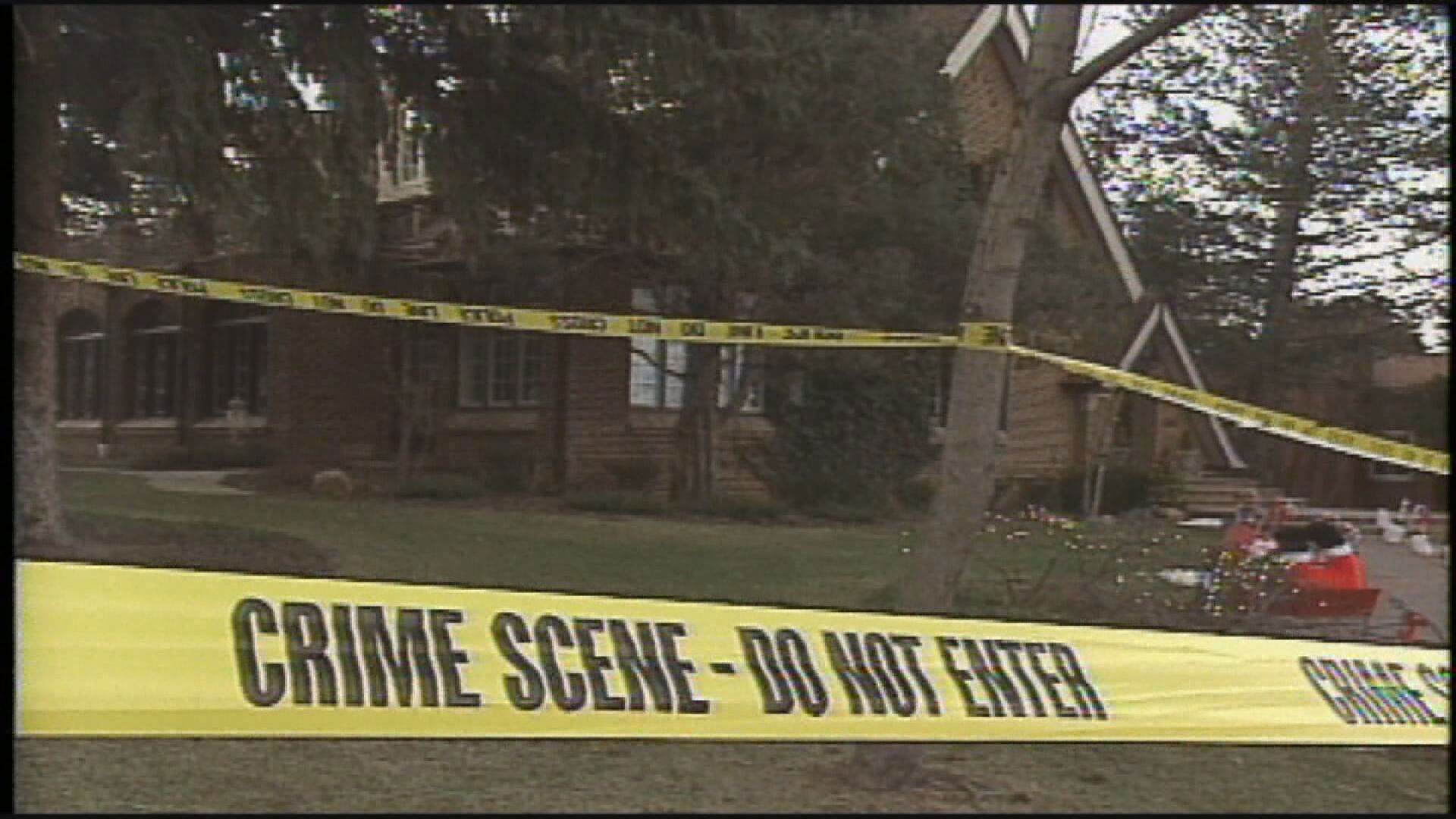
To understand why a single photograph can carry so much weight, one must understand how severely the Ramsey crime scene was compromised on December 26, 1996. The Boulder Police Department committed several procedural errors that permanently impaired the visual and physical record:
- Failure to Secure the Premises: Family friends, a victim advocate, and neighbors were permitted to move freely throughout the home for hours before JonBenét’s body was discovered in the cellar, potentially moving items, contaminating surfaces, and complicating photographic context.
- Delayed Discovery: Detectives did not immediately search every room in the massive house. JonBenét’s body was not discovered by authorities; she was found by her father, John Ramsey, around 1:00 p.m., after which he carried her upstairs, altering the primary body recovery scene before photographs could document her initial state.
- Inconsistent Documentation: Some items inside the house were moved between police sweeps, leaving questions about whether certain photos captured the scene as it existed at the time of the crime or after hours of human disturbance.
The Modern Status of the Investigation
In recent years, photographic evidence has taken a backseat to modern forensic science. The Boulder Police Department, partnering with the Colorado Bureau of Investigation (CBI) and external cold case review teams, has shifted focus toward advanced DNA testing techniques.
In 2008, former District Attorney Mary Lacy formally cleared the Ramsey family based on newly identified "touch DNA" belonging to an unidentified male (referred to as "Male 1") found on JonBenét’s waistband and undergarments. While some investigators still debate the significance of that profile, authorities are actively utilizing genetic genealogy and enhanced testing methods on surviving physical evidence in hopes of identifying the contributor.
The Takeaway
No single photograph "changed everything" in a way that solved the JonBenét Ramsey case. Instead, the infamous pineapple photo—like the suitcase and window images—acted as a mirror reflecting the biases of whoever viewed it. For those convinced of family involvement, it proved a concealed timeline. For those convinced an intruder was responsible, it was an ambiguous detail in an already compromised house. Until conclusive DNA evidence or a verifiable confession emerges, these still frames remain haunting pieces of an unfinished puzzle.