Diddy: From Roc-A-Fella Era to $200 Million
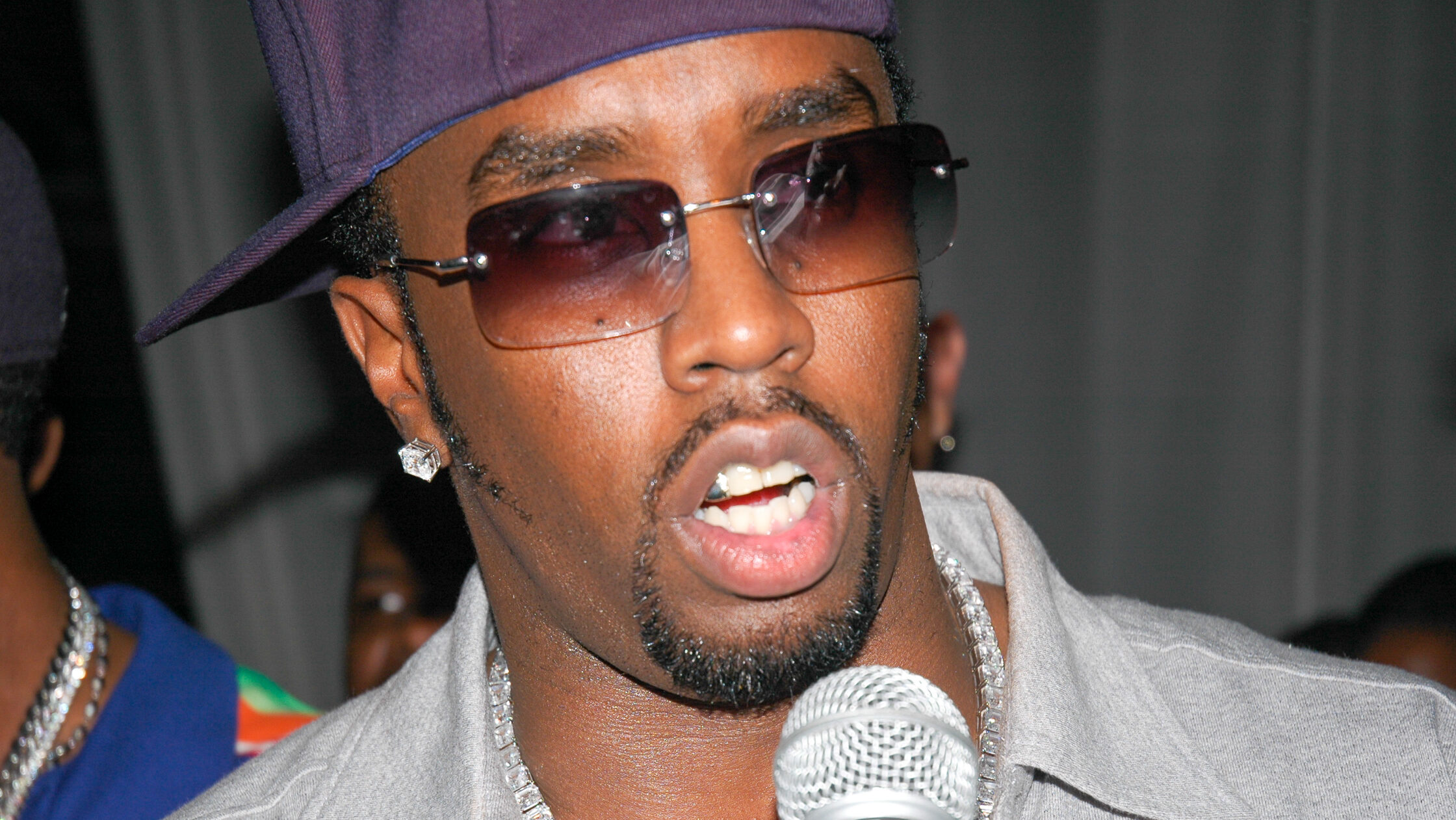
During the golden age of hip-hop capitalism in the late 1990s and early 2000s, an unprecedented economic shift took place in the music industry. Rappers stopped settling for standard royalty checks and began demanding equity, ownership, and corporate distribution deals. Analyzing this transformative era reveals the dynamics behind From Roc-A-Fella to $200 Million: How P Diddy Suggested His Fortune Growth! While Damon Dash and Jay-Z built Roc-A-Fella Records into an independent powerhouse, Sean “P. Diddy” Combs was simultaneously laying the blueprint for how an urban music executive could cross over into mainstream corporate America and construct a multi-hundred-million-dollar empire.
The Competitive Crucible: Bad Boy vs. Roc-A-Fella
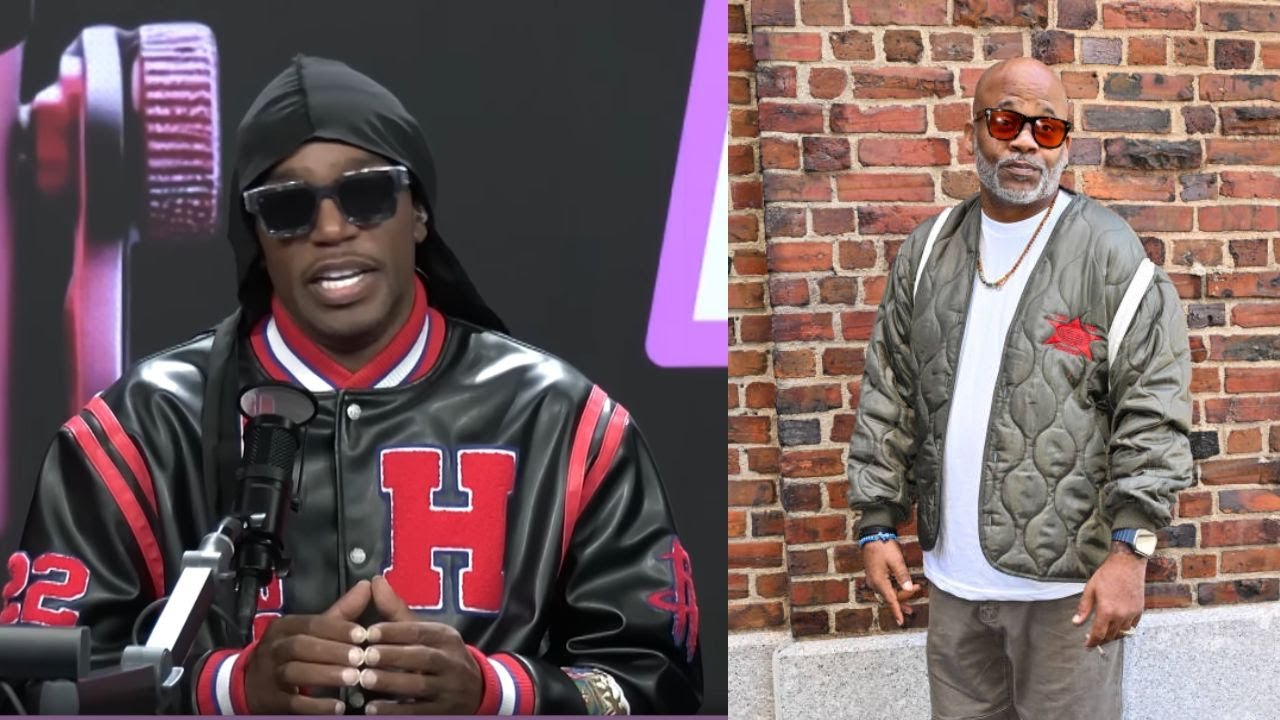
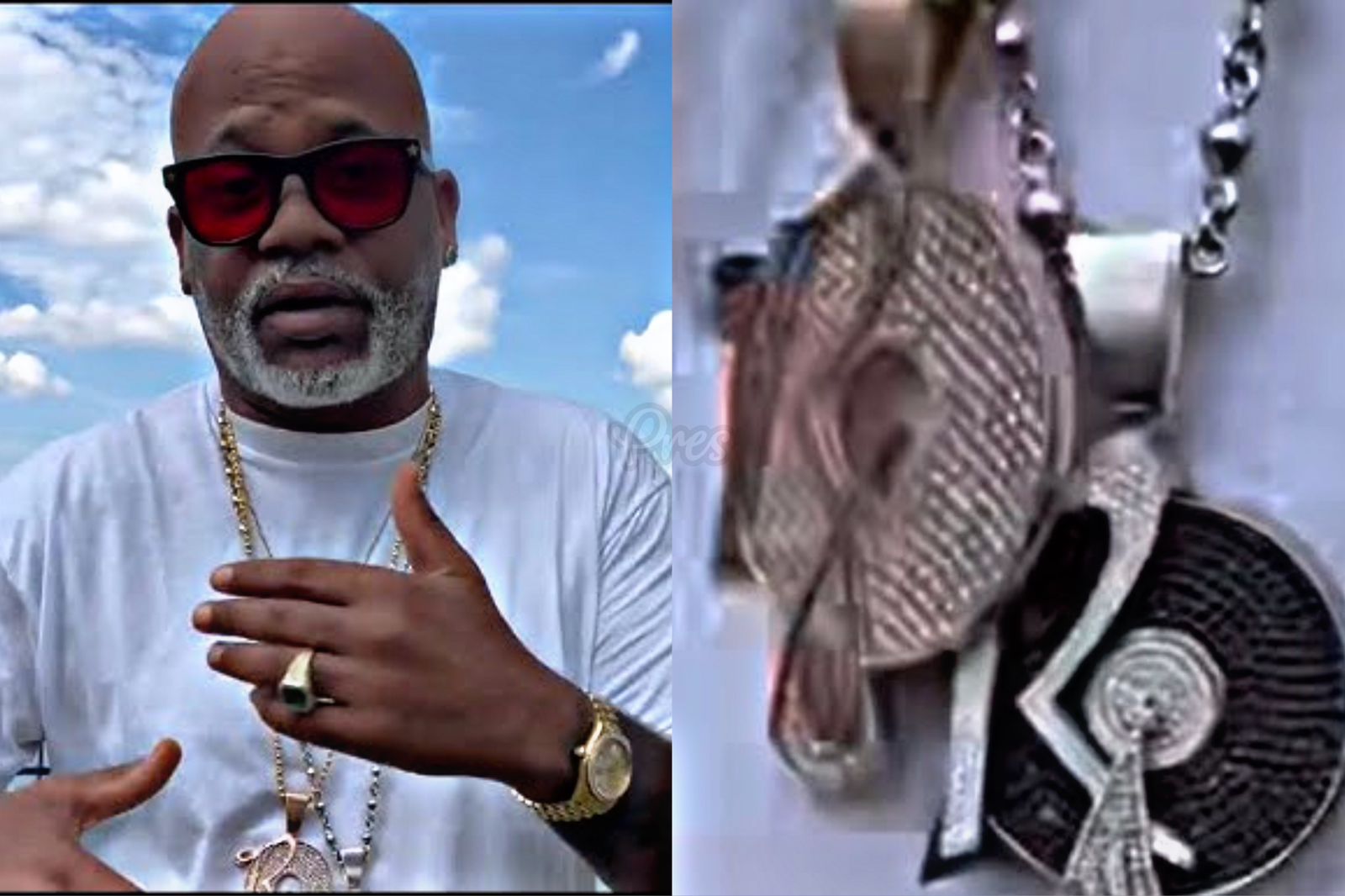
To understand Combs' financial acceleration past the $200 million mark, one must examine the competitive ecosystem of late-1990s New York hip-hop. Combs founded Bad Boy Entertainment in 1993 following his dismissal from Uptown Records. Around the same time, Jay-Z, Damon Dash, and Kareem “Biggs” Burke formed Roc-A-Fella Records after failing to secure a favorable major label deal.
While Bad Boy established early commercial dominance with The Notorious B.I.G., Mase, and Combs' own multi-platinum solo efforts, Roc-A-Fella introduced a ruthlessly efficient, street-certified corporate identity. The friendly yet fierce rivalry between these camps spurred innovation beyond catalog sales:
- Merchandising and Lifestyle Branding: Roc-A-Fella launched Rocawear in 1999, prompting an aggressive industry-wide pivot toward urban streetwear.
- Direct Distribution Strategies: Both labels negotiated unprecedented distribution splits with major conglomerates (Bad Boy with Arista/BMG; Roc-A-Fella with Def Jam/Universal).
- Executive Stardom: Both Combs and Dash proved that the executive behind the desk could be as famous and marketable as the recording artists on the roster.
From Roc-A-Fella to $200 Million: How P Diddy Suggested His Fortune Growth
In interviews, public appearances, and boardrooms throughout the early 2000s, Combs repeatedly mapped out the philosophies that transformed hip-hop notoriety into nine-figure net worths. His approach did not rely merely on touring or album advances; he treated his public persona as an equity engine.
1. The Creation of Sean John and High-End Retail
Combs realized that traditional artist merchandise left millions on the table. In 1998, he founded Sean John. Unlike basic promotional apparel, Sean John was launched as a true luxury fashion house. Combs invested heavily in high-profile runway shows, eventually earning the prestigious Council of Fashion Designers of America (CFDA) Menswear Designer of the Year award in 2004.
At its retail peak, Sean John was generating annual sales exceeding $400 million, funneling tens of millions in pure profit directly back to Combs. This venture alone elevated his personal net worth well beyond the standard ceiling for recording artists of his generation.
2. The Publishing and Master Rights Playbook
A cornerstone of Combs' initial capital accumulation was the structure of Bad Boy's publishing contracts. While heavily criticized by former artists in subsequent decades, Combs secured substantial publishing and master rights splits during the label's peak years. These rights produced perpetual cash flow through licensing, soundtrack placements, and back-catalog compilations, providing the liquidity needed to seed larger commercial investments.

3. Monetizing the Lifestyle: The White Party and VIP Marketing
Combs famously weaponized exclusivity. His annual “White Party” in the Hamptons united Wall Street executives, Hollywood actors, and hip-hop stars. By positioning himself at the crossroads of elite business culture and youth lifestyle, he signaled to Fortune 500 brands that he could deliver demographic reach that traditional advertising agencies could not replicate.
Breaking the $200 Million Barrier: The Strategic Pivot to Spirits
By the mid-2000s, as music piracy and streaming erosion reduced physical record revenues across the industry, Combs engineered the most lucrative business arrangement of his career. In 2007, he signed a groundbreaking 50-50 profit-sharing and brand management deal with Diageo for Cîroc vodka.
Unlike standard celebrity endorsements where a talent is paid a flat promotional fee, Combs demanded operational control over marketing in exchange for equal equity participation. The results were historic:
- Rapid Case Growth: Cîroc grew from an obscure French grape-based vodka selling roughly 40,000 cases a year to an international juggernaut moving over two million cases annually.
- Asset Value Expansion: The partnership generated hundreds of millions of dollars in payouts, decisively driving Combs past the $200 million milestone and laying the foundation for his later ascent toward near-billionaire status.
- Portfolio Diversification: The liquidity generated from the spirits sector funded further plays, including Revolt TV, Aquahydrate, and major luxury real estate acquisitions.
The Roc-A-Fella Influence on Modern Mogul Culture
While Combs and the Roc-A-Fella founders operated separate entities, their cross-pollination shaped modern entrepreneurial expectations. When Jay-Z and Damon Dash sold Rocawear to Iconix Brand Group in 2007 for $204 million, it validated the valuation metrics that Combs had long asserted for Sean John.
Combs frequently acknowledged the competitive pressure exerted by Jay-Z's methodical business rise. Rather than maintaining a bitter division, both executives recognized that their parallel expansions expanded the ceiling for minority entrepreneurs in corporate America, proving that hip-hop was no longer a fringe genre, but a primary driver of global consumer behavior.
Key Takeaways from the Bad Boy Expansion Blueprint
The progression of Sean Combs' early financial rise provides clear lessons on brand scaling, leverage, and corporate negotiation:
- Equity Over Endorsement: Moving away from transactional marketing contracts to co-ownership and profit-sharing models changes long-term net worth outcomes.
- Reinvestment of Core Earnings: Cash generated from high-margin entertainment successes was systematically redirected into physical commodities (fashion, beverages, media networks).
- Total Narrative Control: Consistent, disciplined personal branding can turn an executive into an aspirational cultural figure, enabling frictionless entry into diverse commercial sectors.
Combs' trajectory during this era demonstrated how modern cultural figures could transition from regional talent to corporate powerhouses, establishing financial benchmarks that reshaped the entertainment industry forever.