Discover Queen Charlotte True Ethnicity: Fact vs Myth
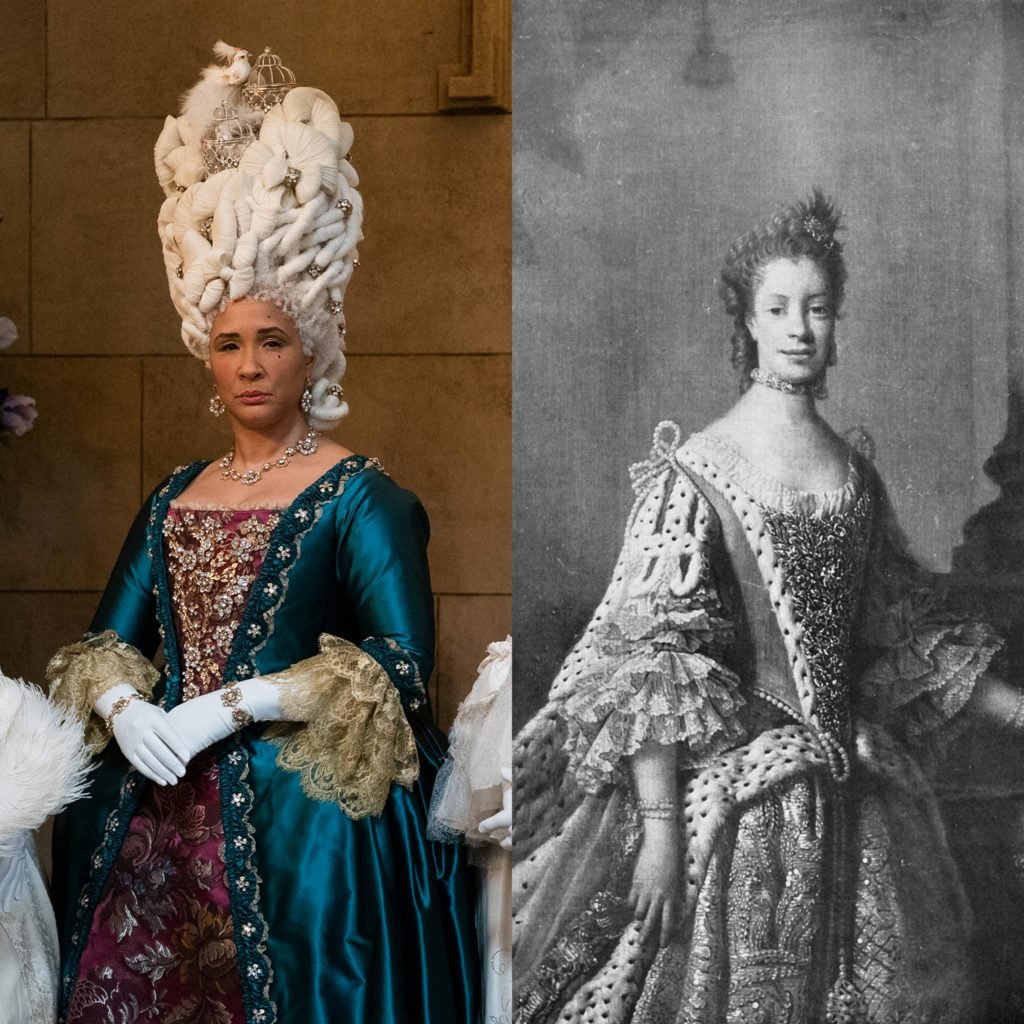
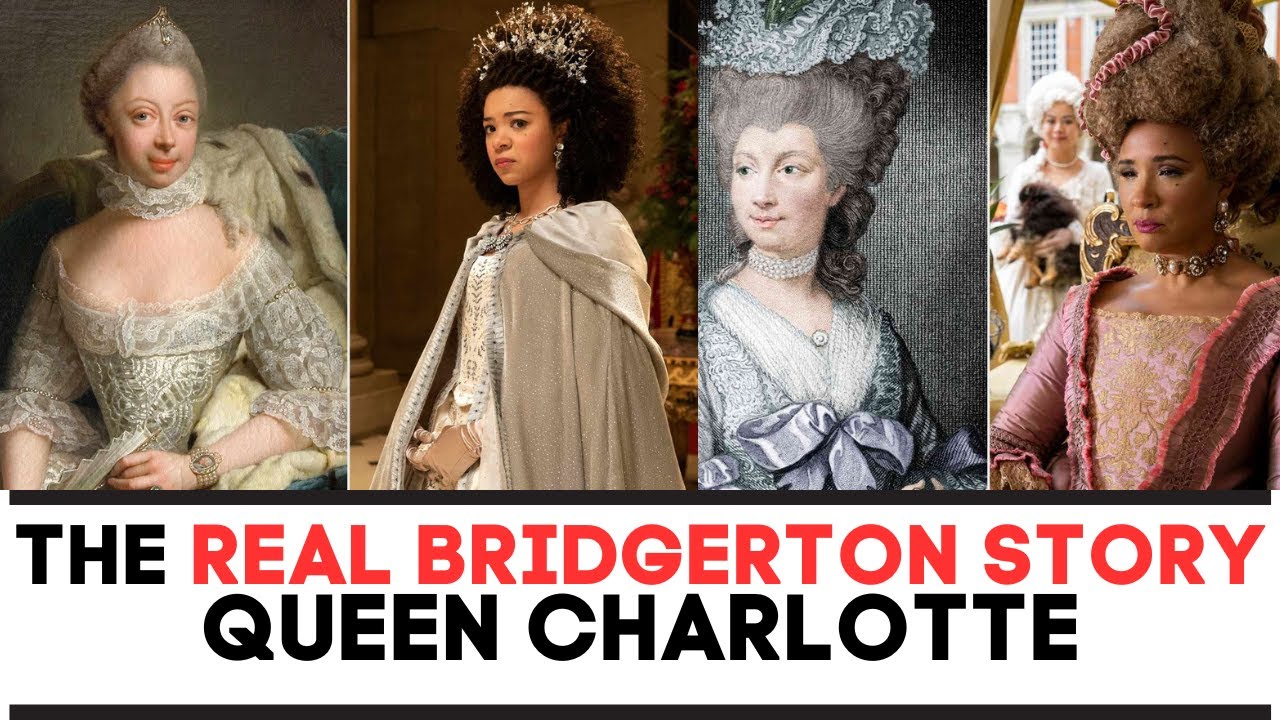
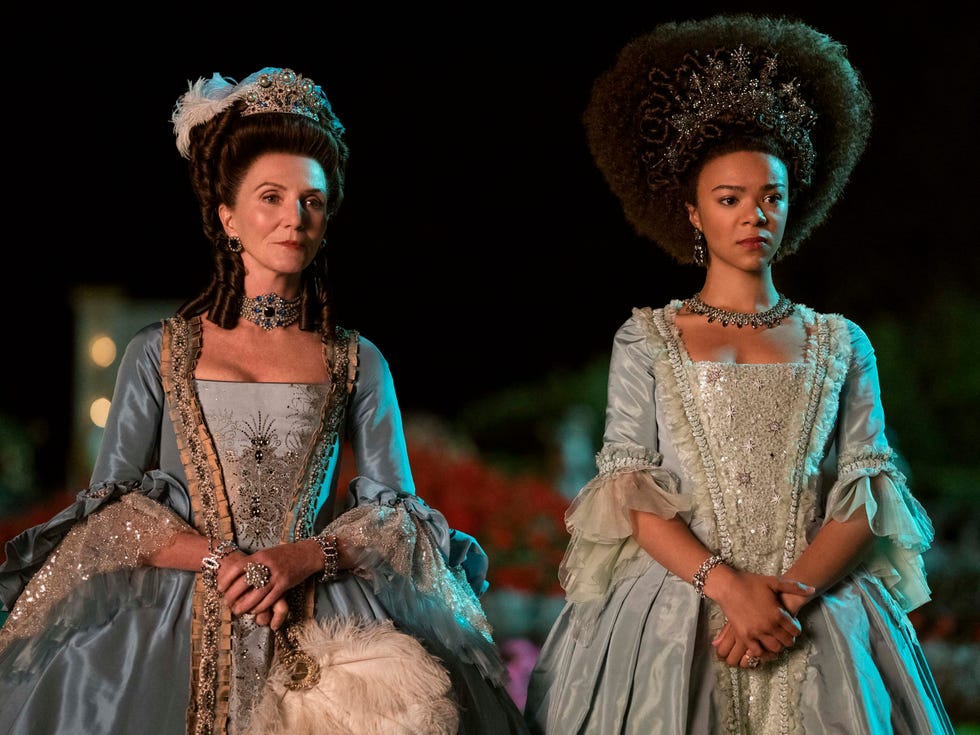
When Netflix introduced audiences to a dazzling, high-society reimagining of Georgian England in Bridgerton, one casting decision ignited a worldwide conversation: Queen Charlotte, portrayed by Golda Rosheuvel and India Amarteifio as a woman of African descent. Ever since the show aired, millions of readers and viewers have sought to discover Queen Charlotte true ethnicity. Was the longest-serving queen consort in British history genuinely a mixed-race woman, or is this theory a blend of modern romanticism and flawed genealogical assumptions?
To untangle the truth, we must step away from popular streaming dramas and examine 18th-century court records, contemporary correspondence, fine art history, and rigorous genealogical research.
Who Was Queen Charlotte?
Sophia Charlotte of Mecklenburg-Strelitz was born on May 19, 1744, in the small north German duchy of Mecklenburg-Strelitz, part of the Holy Roman Empire. She was the youngest daughter of Duke Charles Louis Frederick of Mecklenburg and Princess Elisabeth Albertine of Saxe-Hildburghausen.
In 1761, at the age of seventeen, Charlotte was selected to marry the newly crowned King George III of Great Britain. The union was arranged primarily for diplomatic and dynastic stability. The couple had a remarkably devoted marriage—producing fifteen children, thirteen of whom lived to adulthood—and shared a profound love for music, botany, and the arts. Charlotte died in 1818, having witnessed the American Revolution, the French Revolution, and the mental decline of her husband.
The Origin of the Black Royalty Theory
The hypothesis that Charlotte had African heritage did not originate in the Georgian court, nor was it discussed during her lifetime in the terms used today. The modern debate can be traced largely to two 20th-century researchers:
- J.A. Rogers (1940s): An author and self-taught historian, Rogers published Sex and Race, in which he claimed that Queen Charlotte possessed unmistakable African physical characteristics based on her official portraits.
- Mario de Valdés y Cocom (1990s): A historian of the African diaspora who popularized the theory internationally. Valdés argued that Charlotte was directly descended from a Black branch of the Portuguese royal family.
Valdés traced Charlotte's ancestry back through fifteen generations to Margarida de Castro e Souza, a 15th-century Portuguese noblewoman. Margarida, in turn, traced her lineage back to King Afonso III of Portugal (1210–1279) and his lover, Madragana Ben Aloandro.
Historical Evidence to Discover Queen Charlotte True Ethnicity
To accurately discover Queen Charlotte true ethnicity, historians examine three primary pillars: medieval genealogical lines, contemporary written descriptions, and official court portraiture.
1. The Genealogical Trail: Madragana Ben Aloandro
The entire hereditary argument for Charlotte's African ancestry hinges on Madragana Ben Aloandro, who lived during the 13th century in the southern Algarve region of Portugal. Theorists frequently refer to Madragana as a "Moor" or a Black African woman.
However, modern medievalists point out several crucial flaws in this claim:
- Definition of "Moor": In medieval Iberia, the term was applied broadly to anyone from North Africa or Muslims living under Islamic rule, regardless of skin pigmentation or racial heritage. Most Moors in southern Portugal were of Arab and Amazigh (Berber) descent, not Sub-Saharan African.
- Alternative Historical Accounts: Contemporary medieval chronicler Duarte Nunes de Leão recorded that Madragana was likely a Mozarab—an Iberian Christian living in Moorish territory—rather than a Moorish or African woman.
- Genetic Dilution: Even if Madragana had been a Black African woman, she lived roughly 500 years and 15 generations before Queen Charlotte. Statistically, a single ancestor 15 generations removed contributes less than 0.003% of an individual's genetic makeup. Biologically, this tiny fraction would not result in distinct phenotypic features centuries later.
2. Contemporary Written Accounts

Proponents of the African heritage theory frequently point to comments made by Charlotte's contemporaries regarding her appearance. The most famous is attributed to Christian Friedrich Freiherr von Stockmar, personal physician to Prince Leopold of Saxe-Coburg, who described Charlotte as "small and crooked, with a true mulatto face."
While that phrasing sounds definitive to modern ears, historians urge caution when interpreting Georgian-era insults:
- Stockmar made his observation decades after Charlotte was an elderly woman, never having known her in her youth.
- In 18th- and 19th-century Europe, descriptive slurs such as "mulatto," "swarthy," or "Moorish" were routinely weaponized against European political figures who were deemed unattractive, had darker olive complexions, or had broader facial features.
- No official diplomatic reports sent to Britain prior to the marriage—which scrutinized every detail of Charlotte's health, pedigree, and appearance—make any mention of African ancestry or unconventional racial identity.
3. The Ramsay Portraits
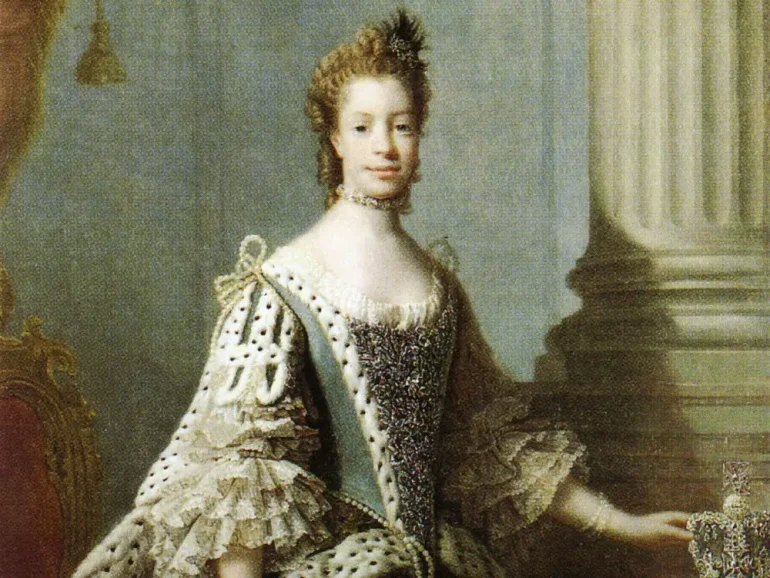
Another major argument rests on the portraits painted by royal artist Allan Ramsay. Ramsay was an outspoken abolitionist who married the niece of Lord Mansfield, the judge whose landmark 1772 ruling declared that slavery was not supported by English common law.
Valdés argued that Ramsay deliberately emphasized African features in Charlotte's portraits—such as broad nostrils, full lips, and a darker skin tone—that other court painters, like Thomas Gainsborough or Benjamin West, softened or erased. While Ramsay's depictions are undeniably distinct, art historians generally view this as a hallmark of his artistic realism and masterly handling of light and shadow, rather than an attempt to reveal a hidden racial lineage.
The Academic Consensus
The overwhelming majority of professional historians and royal biographers agree: Queen Charlotte was of German, European descent.
Biographer Lucinda Hawksley and royal historian Kate Williams have both highlighted that while the debate provides a fascinating lens through which to explore representation, the factual evidence supporting Charlotte as Britain's first Black queen is extraordinarily thin. Buckingham Palace itself has historically treated the claim as an unverified cultural theory, once stating that the rumors have existed for decades but remain unproven.
Why the Debate Still Resonates Today
If the genealogical and historical evidence firmly places Charlotte within European ancestry, why does the fascination with her ethnic background continue to grow?
- The Search for Historical Representation: For centuries, Black figures in British history were marginalized or excluded from mainstream narratives. The idea that a reigning monarch might have had African roots offered a powerful reclaiming of royal history.
- The Bridgerton Phenomenon: Executive producer Shonda Rhimes intentionally tapped into the historical debate to build an alternative Regency universe, showing how artistic storytelling can breathe fresh life into old historical curiosities.
- The Complex Reality of Black Georgian Britain: Even if Queen Charlotte was not Black, the Georgian era was far more racially diverse than period dramas traditionally showed. Tens of thousands of Black Britons lived during Charlotte's reign—including composer Ignatius Sancho, writer Olaudah Equiano, and heiress Dido Elizabeth Belle—each of whom played a genuine, documented role in shaping British culture.
Conclusion
When you set out to discover Queen Charlotte true ethnicity, the historical verdict is clear: Charlotte was born of Northern European nobility, with a genealogy rooted in Germany and standard continental dynasties. The theory linking her to African ancestors depends on tenuous interpretations of a 13th-century Portuguese ancestor and subjective readings of portraits.
Nevertheless, the global fascination with Charlotte's heritage has served an invaluable purpose. It has encouraged people to look beyond traditional royal narratives, discover the documented presence of people of color in Georgian Britain, and challenge long-held assumptions about history, power, and identity.