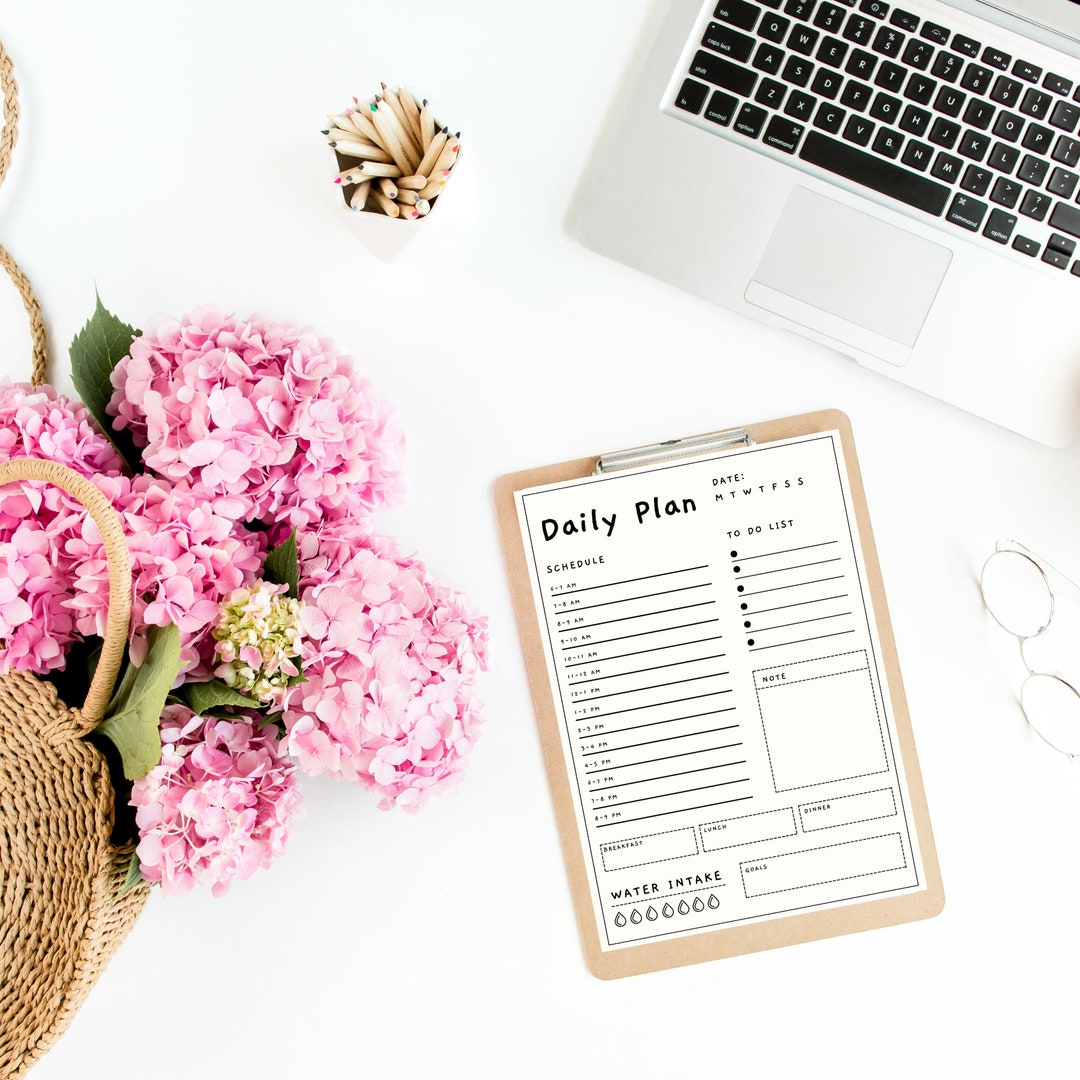
Discover Your Aesthetic Life Organizer Today
When your planning system feels sterile, rigid, or messy, using it becomes a chore rather than a relief. Modern productivity is no longer just about cold lists and industrial spreadsheets; visual harmony plays a vital role in reducing cognitive load and inspiring consistency. If you feel overwhelmed by fragmented notes, abandoned to-do apps, and visual clutter, it is time to discover your aesthetic life organizer today and turn your routine into a calm, intentional sanctuary.
An aesthetic life organizer blends functional design with visual beauty. It treats your calendar, habits, goals, and projects not as stressful deadlines, but as elements of a curated lifestyle. Whether you prefer the tactile charm of a paper journal or the sleek modularity of a digital dashboard, selecting the right system transforms how you interact with your day.
The Psychology Behind Aesthetic Organization
Many critics dismiss aesthetic organization as superficial, assuming that curated palettes, custom typography, or styled widgets waste time. Cognitive science suggests the opposite. The aesthetic-usability effect proves that users perceive attractive designs as easier to navigate and more satisfying to use.
When you open a workspace that feels peaceful and coherent, your nervous system responds. Visual calm lowers resistance to starting tasks, mitigates burnout, and encourages sustained engagement. An organizer that looks like a sanctuary invites you in, while a crowded, discordant layout triggers friction before you even read the first line.
Digital vs. Physical: Choosing Your Canvas
Before you commit to a specific layout or color scheme, decide which medium fits your cognitive style and daily movement.
1. The Digital Workspace (Notion, Obsidian, GoodNotes)
Digital organizers excel at flexibility, searchability, and scalability. Apps like Notion allow you to create unified dashboards with dynamic databases, while GoodNotes and Notability let you retain the fluid feel of handwriting on a tablet.
- Pros: Infinite space, automated recurring tasks, synced across devices, easy to redesign.
- Cons: Risk of screen fatigue, setup overwhelm, and rabbit holes of endless tweaking.
2. The Analog Method (Bullet Journals, Undated Planners)
Physical planners ground your thoughts in reality. High-grade paper, muted inks, and tactile page-turning eliminate digital notifications and force prioritization through the physical limitation of page space.
- Pros: Zero digital distractions, screen-free evening planning, tactile satisfaction, permanent memory retention.
- Cons: Cannot be synced across devices, manual rewriting required, limited physical space.
Core Modules of an Effective Life Organizer
A functional system must do heavy lifting beneath its elegant surface. Ensure that your setup includes these four core components:
1. The Daily Command Dashboard
Your main view should never overwhelm you with every obligation for the next month. Instead, create a clean space containing only today's non-negotiables: your top three priorities, a simplified schedule block, and a small capture box for fleeting thoughts.
2. Goal Deconstruction Hub

Vague goals invite procrastination. Your organizer should connect high-level aspirations (such as writing a book or building an emergency fund) directly to bite-sized weekly milestones. By keeping long-term goals visible alongside daily action steps, you maintain direction without losing focus on immediate execution.
3. Habit and Wellness Tracking
Track progress with minimalist checklists or gentle heatmaps rather than high-pressure red checkmarks. Highlight hydration, sleep, movement, and reading in a way that celebrates consistency over perfection.
4. Personal Knowledge Vault
A true life organizer stores more than appointments. Dedicate space to save book notes, recipe favorites, reflection prompts, and wardrobe planning. Centralizing inspiration prevents the visual scatteredness of keeping ideas across six different apps.
How to Discover Your Aesthetic Life Organizer Today
Finding a setup you love requires a deliberate approach. Instead of downloading dozens of complex templates that you abandon within a week, follow these structured steps:
- Identify Your Aesthetic Archetype: Do you thrive in warm, earthy minimalism with neutral tones, beige palettes, and serif fonts? Or do you prefer a clean, monochromatic dark mode with high-contrast typography? Clarifying your visual preference upfront keeps your system unified.
- Conduct a Workflow Audit: List the things you actually check every day. If you never track your budget in your planner, do not build an intricate finance dashboard. Start strictly with your active pain points.
- Prioritize Two-Click Usability: Beauty fails if logging information is tedious. Any daily task, note, or appointment must be accessible within two taps or clicks. If a layout requires ten dropdown menus just to record an entry, simplify it immediately.
- Implement a Low-Fi Test Run: Use a barebones version of your chosen template or notebook for seven consecutive days. Keep track of what elements you actually reference and which sections you habitually skip.
- Refine and Style: Once the workflow feels intuitive, add finishing touches—such as custom header banners, subtle icons, or color-coded tags.
Styling Inspiration: Finding Your Theme
Creating visual harmony relies on consistent design constraints. Here are three popular design directions to inspire your setup:
- Warm Minimalist: Oatmeal, cream, soft terracotta, and charcoal typography. Uses line dividers, plenty of white space, and subtle sans-serif headings. Ideal for those seeking calm, distraction-free productivity.
- Editorial Studio: Classic black-and-white layouts with elegant serif headings, grid galleries, and grayscale photography. Gives your planning dashboard the feel of an upscale art or lifestyle publication.
- Botanical Cozy: Sage greens, soft olive tones, Kraft paper textures, and gentle illustrations. Perfect for analog bullet journals or tablet planners using handwritten scripts and digital stickers.
Common Traps to Avoid
While aesthetics make planning enjoyable, it is easy to stumble into pitfalls that undermine real productivity.
Over-decoration at the cost of action: Spending four hours adjusting cover images, color hex codes, and decorative widgets while leaving actual tasks uncompleted is a form of procrastination. Focus on usability first, styling second.
System fragility: If missing two days of logging completely breaks your system or leaves you with days of tedious cleanup, your organizer is too complex. An effective setup should welcome you back gracefully after an unexpected break.
Curating Calm in a Fast-Paced World
Your organizer is more than a list of chores; it reflects how you choose to spend your most valuable asset: your attention. By matching smart functional architecture with visual serenity, planning shifts from an obligation into a daily act of mindfulness. Take the first step, clear away the clutter, and build a system that supports your peace of mind and personal ambitions.