Disney Myth or Money Machine? The Truth Behind Their Billionaire Legacy!
Disney Myth or Money Machine? The Truth Behind Their Billionaire Legacy!

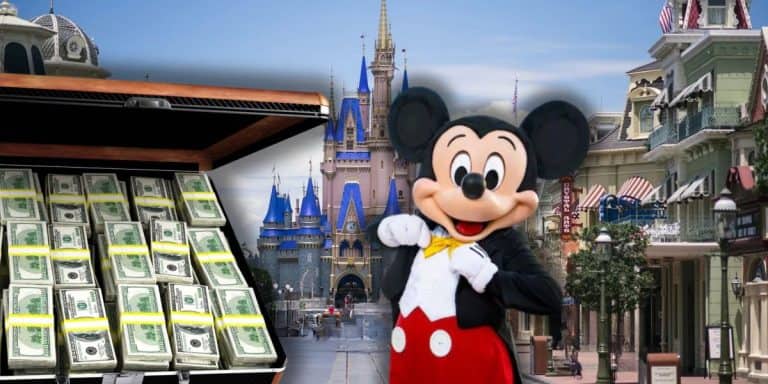
For nearly a century, The Walt Disney Company has positioned itself as the purveyor of magic, wonder, and wholesome family entertainment. From the iconic silhouette of Cinderella's castle to the timeless optimism of Mickey Mouse, the brand is woven deeply into the cultural fabric of modern society. Yet, behind the fairy dust and nostalgic melodies lies one of the most aggressive, sophisticated corporate empires in human history. To understand the modern media landscape, we must ask a critical question: Is the company a cultural myth built on creative integrity, or is it purely a money machine engineered to extract maximum wealth from its global audience?
The duality of Disney is fascinating. It relies heavily on emotional resonance to sell physical and digital goods, blurring the lines between art and commerce. To truly understand their billionaire legacy, we need to strip away the pixie dust and examine the business mechanics, historical evolution, and monetization strategies that power the House of Mouse today.
The Evolution of a Cultural Icon
The Disney story famously began in a small garage in Los Angeles in 1923, founded by brothers Walt and Roy O. Disney. Initially focused on groundbreaking animation, the studio took a massive gamble in 1937 with Snow White and the Seven Dwarfs. Critics called it 'Disney's Folly,' predicting that audiences would not sit through a full-length animated feature. They were wrong. The film was a massive financial and cultural success, proving that Walt Disney's vision had immense commercial viability.
However, even in its earliest decades, the company was never just about art. Walt Disney was a visionary entrepreneur who recognized that a character was intellectual property ripe for expansion. He quickly moved into merchandising, licensing Mickey Mouse images on everything from watches to lunchboxes. This established the foundational blueprint of the modern Disney business model: create a piece of content, use it to build emotional attachment, and monetize that attachment across dozens of different consumer touchpoints.
Decoding the Modern Disney Revenue Streams
Today, the scale of the company's financial operations is staggering, bringing in tens of billions of dollars annually. To see how the engine runs, we can break down its core revenue pillars:
Theme Parks, Experiences, and Products: Often referred to as the cash cow of the company, the global resort network, cruise lines, and merchandise licensing generate massive operating income. Parks transform digital and cinematic intellectual property into physical, high-ticket consumer experiences.
Media and Entertainment Distribution: Encompassing traditional television networks like ABC and ESPN, theatrical film studios, and the Disney+ streaming service, this sector captures eyeballs on a global scale and fuels the character pipelines for the rest of the enterprise.
Strategic Acquisitions: Rather than relying solely on internal creation, Disney has historically bought out major competitors and cultural powerhouses, including Pixar, Marvel Entertainment, Lucasfilm, and 21st Century Fox.
Video: The Billionaire Myth is Wrong #Shorts #Viral

The Power of Intellectual Property Consolidation
One of the most effective strategies in Disney’s billionaire legacy has been aggressive market consolidation. By acquiring Marvel and Star Wars, Disney effectively neutralized major box-office competitors and integrated them into its existing merchandising and theme park ecosystems.
When you buy a ticket to a Marvel movie, you are feeding a machine that will soon sell you a themed cruise, a plastic action figure, a subscription to a streaming service, and a vacation package to a resort. This closed-loop ecosystem ensures that once a consumer enters the Disney funnel, every subsequent dollar spent stays within the corporate family.
The Dark Side of the Magic: Consumer Costs and Labor
With massive financial success comes intense scrutiny. Critics often point out that the nostalgic myth of Disney often masks a ruthless corporate reality. Over the past decade, the cost of visiting Walt Disney World or Disneyland has skyrocketed far outstripping the rate of inflation, pricing out many middle-class families who view a park trip as a traditional rite of passage.
Furthermore, controversies surrounding theme park worker wages, corporate lobbying regarding copyright extension laws, and the aggressive defense of their intellectual property have drawn criticism. The company’s ability to successfully lobby for extended copyright terms—colloquially known as the 'Mickey Mouse Protection Act'—demonstrates a fierce protection of its financial assets that transcends mere artistic pride.
Balancing Myth and Machine
So, is Disney a myth or a money machine? The answer is that it is both, and each relies completely on the other. The wholesome, family-friendly myth is the indispensable marketing engine that fuels the money machine. Without the emotional goodwill generated by decades of beloved storytelling, consumers would likely resist the premium pricing of park tickets, merchandise, and streaming services.
Conversely, the money machine provides the immense capital required to fund high-budget visual effects, acquire competing studios, and maintain sprawling physical resorts around the globe. The magic and the math are inextricably linked.
Conclusion
The legacy of The Walt Disney Company is a testament to the power of branding, strategic diversification, and intellectual property management. While the corporate entity must balance criticisms regarding pricing, labor, and cultural monopoly, its status as a premier global economic powerhouse is undisputed. For the everyday consumer, recognizing the dual nature of the brand doesn't have to ruin the magic. Instead, it offers a fascinating glimpse into how modern capitalism successfully wraps itself in a warm blanket of nostalgia.