Divine Decor Boutique: Style a Soulful Home
Walking into a well-curated space should feel like taking a deep, restorative breath. When you source pieces from a divine decor boutique, the goal is rarely about filling empty corners with generic catalog trends. Instead, it revolves around curating an environment that balances elegance, warmth, and quiet luxury. Whether your style leans toward minimalist Mediterranean, organic modern, or layered vintage, turning your living space into a personal sanctuary begins with mindful selection.
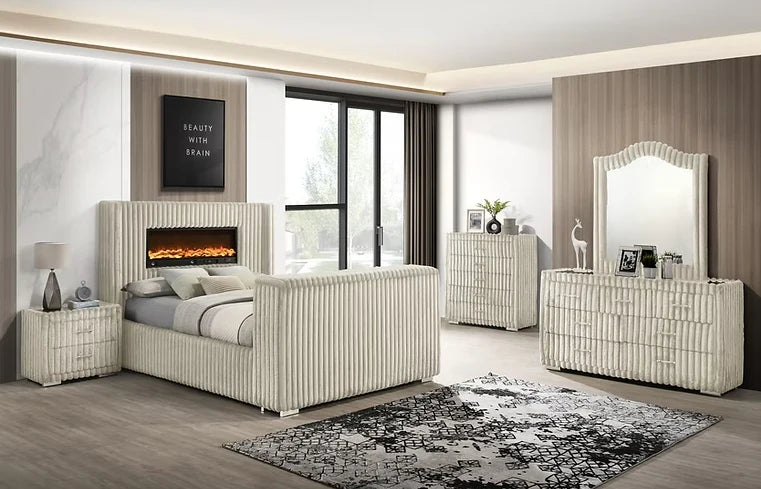
Creating this serene, upscale aesthetic at home does not require an unlimited budget or an interior architecture overhaul. By understanding the principles of boutique styling—tactile materials, deliberate lighting, and spatial breathing room—you can infuse every room with timeless, elevated character.
What Defines the Divine Decor Boutique Aesthetic?
Boutique design sets itself apart from mass-market staging through three core concepts: intentionality, sensory balance, and storytelling. Instead of buying complete furniture suites off showroom floors, a boutique-inspired home celebrates the interplay of disparate, thoughtfully collected items.
- Artisanal Quality Over Mass Production: Pieces feel hand-shaped, hand-loomed, or carefully carved. Slight imperfections in ceramic glaze or reclaimed timber are treated as signs of authentic craftsmanship rather than flaws.
- Sensory Cohesion: Boutique spaces appeal to more than sight. They combine how a boucle armchair feels against the skin, the delicate chime of iron hardware, and the calming presence of natural cedarwood or amber scents.
- Negative Space as a Feature: Empty wall space and uncluttered tabletops are treated with the same design respect as an expensive sculpture. Breathing room lets each focal piece shine.
Essential Elements of Boutique-Inspired Styling
To cultivate an elevated, boutique look throughout your home, prioritize timeless materials and atmospheric details that bring warmth to architectural spaces.
1. Natural Textures and Tactile Finishes
Synthetic, overly glossy finishes can quickly make an interior feel sterile. High-end boutiques prioritize grounding, earthy textures that mature gracefully over time. Incorporate unlacquered brass that develops a rich natural patina, raw travertine stone, slubby Belgian linen, and matte-finished lime-washed walls. These textures capture light differently throughout the day, creating subtle shifts in your room's mood from dawn until nightfall.
2. Layered, Architectural Illumination
Relying on a single overhead ceiling fixture flattens a room and robs it of comfort. Boutique interiors achieve their inviting, moody glow by layering three distinct types of light:
- Ambient Lighting: Soft, indirect light that fills the room, often through frosted globes, paper lanterns, or dimmable recessed channels.
- Task Lighting: Focused beams from articulated brass sconces, reading lights, or angled kitchen pendants.
- Accent Lighting: Low-wattage table lamps on consoles, picture lights over canvas art, and genuine pillar candles placed in stone vessels.
3. Soulful Vignettes
A vignette is a miniature styled scene—a coffee table tray, an entryway console, or an open floating shelf. The secret to a boutique-worthy vignette lies in varying elevations and textures. Combine an upright element (such as a tapered ceramic vase with dried olive branches), a flat foundation (a stack of hardcover art books), and a sculptural object (a carved marble bowl or aged bronze dish).
Room-by-Room Guide to Curated Elegance
Elevating your home does not mean redecorating every room overnight. Focus on practical updates that maximize impact in high-traffic, high-relaxation zones.
The Entryway: Setting an Immediate Tone

Your foyer or entry hall introduces the emotional atmosphere of your home. Keep it clean and functional yet distinctively sensory. A slim fluted console table topped with a wide, shallow stoneware key bowl immediately elevates the threshold. Hang an oversized arch mirror to reflect light and expand sightlines, and add an artisanal reed diffuser with notes of hinoki wood, bergamot, or black tea.
The Living Room: Conversation and Grounding
Design your living area to encourage ease and connection. Anchor the floor with an organic, high-pile wool or hand-knotted jute rug. Instead of two matching sofas, pair a low-profile linen sofa with a sculptural accent chair in velvet, caned oak, or shearling. Display ceramics in odd-numbered groups on open shelving, leaving several inches of clear shelf space around them to prevent visual clutter.
The Bedroom: A Restorative Retreat
A boutique bedroom prioritizes rest and tactile comfort above all else. Strip away visual noise by concealing electronic cords and keeping nightstands sparse. Layer natural stonewashed linen sheets with a heavy waffle-knit blanket and a down-filled duvet in muted earth tones—such as warm taupe, dusty terracotta, or pale moss green. Soft, warm-toned bedside sconces allow for relaxed evening reading without jarring overhead bulbs.
Sourcing and Curating Like an Interior Stylist
Achieving a cohesive boutique look is an ongoing process of slow decoration. Rushing to furnish an entire room in a single weekend often results in a generic look that lacks personal connection.
- Mix Eras: Pair a clean-lined mid-century credenza with a weathered 19th-century French confit jar. The tension between old and new gives spaces a collected, worldly appeal.
- Support Independent Artisans: Seek out local ceramicists, woodturners, and printmakers. Investing in small-batch goods ensures your decor feels distinctive and personal.
- Edit Ruthlessly: Before adding a new piece to your space, consider what item you can remove or rotate into storage. Curating is as much about subtraction as it is about acquisition.
Common Styling Pitfalls to Avoid
Even beautiful pieces can look misplaced if balanced incorrectly. As you assemble your home, watch out for these frequent interior missteps:
Over-theming: Avoid buying every item from the exact same trend board. A room dominated exclusively by woven rattan or white boucle quickly dates itself. Contrast organic curves with sharp lines and smooth surfaces with rough stone.
Incorrect Scale: One common error is using decor that is too small for the surrounding furniture. A tiny framed print hung over an eight-foot sofa looks lost. Opt for larger, impactful pieces—one prominent canvas or a pair of generous framed textiles will anchor a wall far better than a cluster of miniature frames.
Ignoring Function: True luxury should be comfortable and durable. Delicate linens on a high-use dining table or slippery stone trays that slide on glass surfaces create unnecessary daily frustration. Choose pieces that match the rhythm and practical needs of your household.
Embracing the Art of Slow Living
Transforming your environment into a soulful retreat is an ongoing journey of refinement. By adopting a boutique mindset—choosing enduring materials, honoring craftsmanship, and celebrating quiet simplicity—you create a living space that feels calm, inspiring, and uniquely yours for years to come.


