Divine - The Indian Cuisine: A Culinary Journey
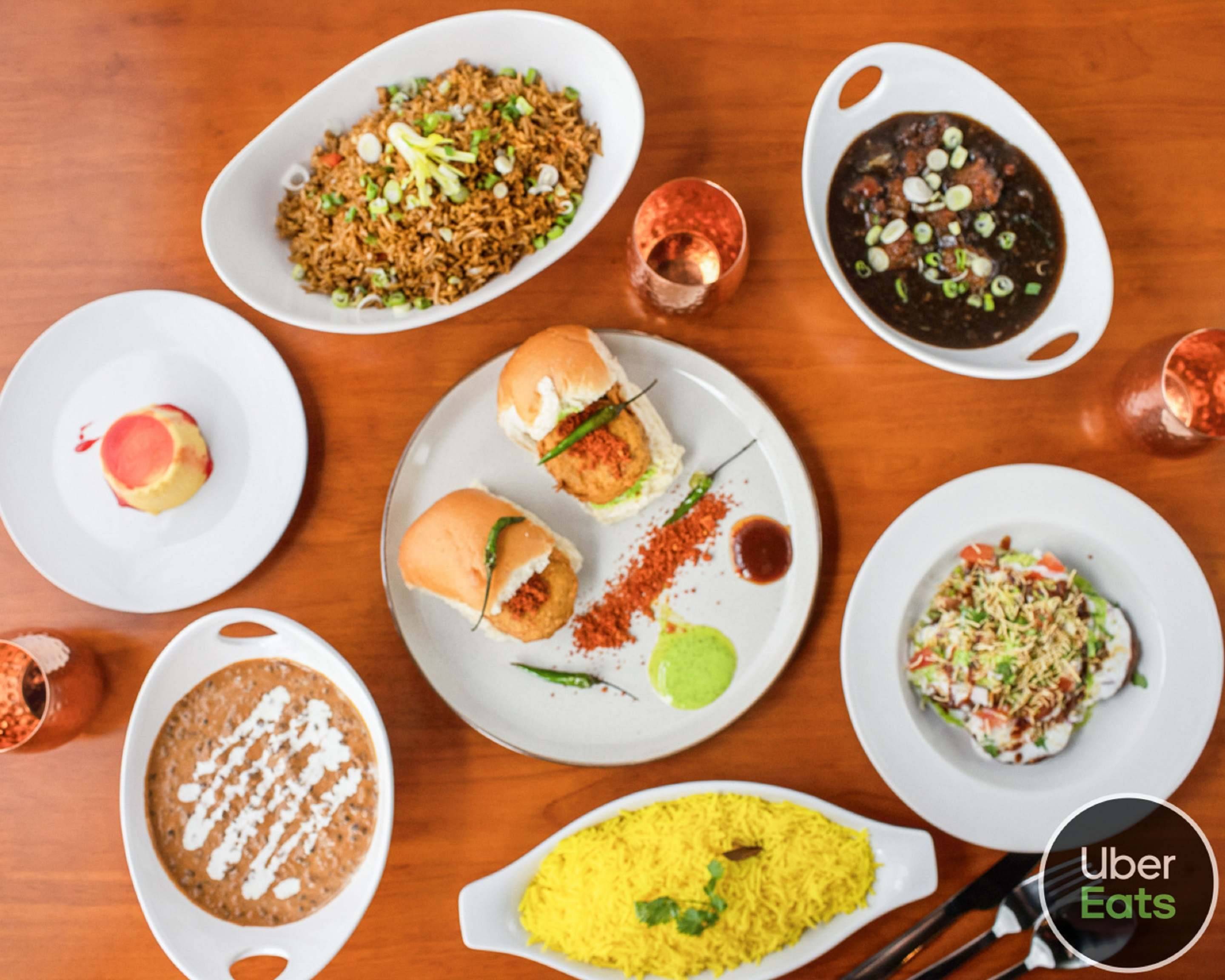
Indian food is far more than just a meal; it is a multi-sensory experience deeply rooted in history, tradition, and regional diversity. When you step into or explore a venue known as Divine - The Indian Cuisine, you open the door to a world where spices tell stories and every dish carries centuries of culinary evolution. From the fiery curries of the south to the rich, buttery gravies of the north, Indian food offers something extraordinary for every palate.

The Philosophy Behind Indian Cooking
At the heart of great Indian cooking lies the masterful balance of six core tastes: sweet, sour, salty, pungent, bitter, and astringent. Rather than merely masking ingredients, traditional Indian chefs use spices to elevate the natural flavors of vegetables, meats, and grains. Turmeric provides earthy warmth and vibrant color, cumin adds a nutty depth, and cardamom brings a sweet, aromatic finish.
Furthermore, Ayurveda—the ancient Indian system of medicine—heavily influences how spices are combined. Spices like ginger, garlic, and black pepper are not chosen by accident; they are carefully selected to aid digestion, boost immunity, and bring harmony to the body. This holistic approach is what transforms a simple curry into a deeply nourishing experience.
Regional Highlights on the Menu
India's vast geography means that the culinary landscape changes dramatically every few hundred miles. When exploring a comprehensive menu, understanding these regional distinctions helps you curate the ultimate dining experience.
Northern Indian Delicacies
North Indian cuisine is famous for its rich, dairy-heavy gravies, tandoor-cooked meats, and wheat-based breads like naan and roti. Influenced by centuries of Mughal history, these dishes feature aromatic ingredients like saffron, cream, cashews, and ghee.
- Butter Chicken (Murgh Makhani): Tender chicken pieces simmered in a velvety tomato and butter sauce, subtly sweetened with honey and fenugreek.
- Dal Makhani: Whole black lentils and red kidney beans slow-cooked overnight with butter and cream, resulting in a rich, comforting texture.
- Tandoori Specialties: Marinated meats and paneer cooked at extremely high temperatures in a traditional clay oven, giving them a distinct smoky flavor.
Southern Indian Treasures
Video: Master Chef Answers Indian Food & Curry Questions From Twitter | WIRED
In contrast, South Indian cooking relies heavily on rice, coconut, tamarind, and lentils. The climate favors ingredients that cool the body, and dishes often feature tempering with mustard seeds, curry leaves, and dried red chilies.
- Dosa and Idli: Fermented rice and lentil batters transformed into crispy crêpes or fluffy steamed cakes, typically served with coconut chutney and sambar (a tangy lentil stew).
- Chettinad Curries: Known for their fiery heat and complex use of freshly ground spice blends, including star anise, fennel seeds, and peppercorns.
Navigating the Menu Like a Pro
If you are new to Indian dining, the sheer variety of dishes can feel overwhelming. To make the most of your meal, follow these simple ordering strategies:
- Balance the textures and temperatures: Pair a rich, creamy curry (like paneer tikka masala) with a dry vegetable dish (like aloo gobhi) for textural contrast.
- Order a variety of breads: Garlic naan is a crowd-pleaser, but a flaky, multi-layered lachha paratha or a whole-wheat tandoori roti can completely change how you experience your gravies.
- Don't skip the accompaniments: Raita (yogurt mixed with cucumber or mint) and fresh mint-coriander chutney act as palate cleansers, cooling the heat of spicy dishes.
- Embrace vegetarian options: India has one of the highest populations of vegetarians in the world, meaning vegetarian dishes are never an afterthought. They are often the stars of the menu.
Sweet Endings: Indian Desserts
No Indian meal is truly complete without dessert (known as mithai). Traditional sweets are often milk-based, infused with rose water, cardamom, or saffron, and garnished with nuts or edible silver leaf.
Classic options include Gulab Jamun (deep-fried milk solids soaked in a warm rose-cardamom syrup) and Kulfi (traditional Indian ice cream made by slow-evaporating sweetened milk, often flavored with pistachio or mango). These desserts provide the ultimate sweet contrast to the savory, spiced dishes that precede them.
Conclusion
Dining at a place dedicated to authentic flavors, such as Divine - The Indian Cuisine, is much more than just eating out—it is an exploration of culture and heritage. By understanding the spices, regional styles, and menu pairings, you can appreciate the immense craftsmanship that goes into every plate. The next time you sit down for an Indian feast, take a moment to savor the aromas, experiment with new dishes, and enjoy a culinary tradition that has warmed hearts across the globe for generations.


