Diyanet Namaz Vakitleri: Accurate Prayer Times Guide
For millions of Muslims around the world, knowing the exact schedule for daily prayers is an essential part of daily life. In Turkey and across various international communities, the official authority on Islamic matters provides precise timetables known as diyanet namaz vakitleri. Maintained by the Presidency of Religious Affairs in Turkey (Diyanet İşleri Başkanlığı), these schedules ensure that worshippers can perform their daily prayers at the correct astronomical times.
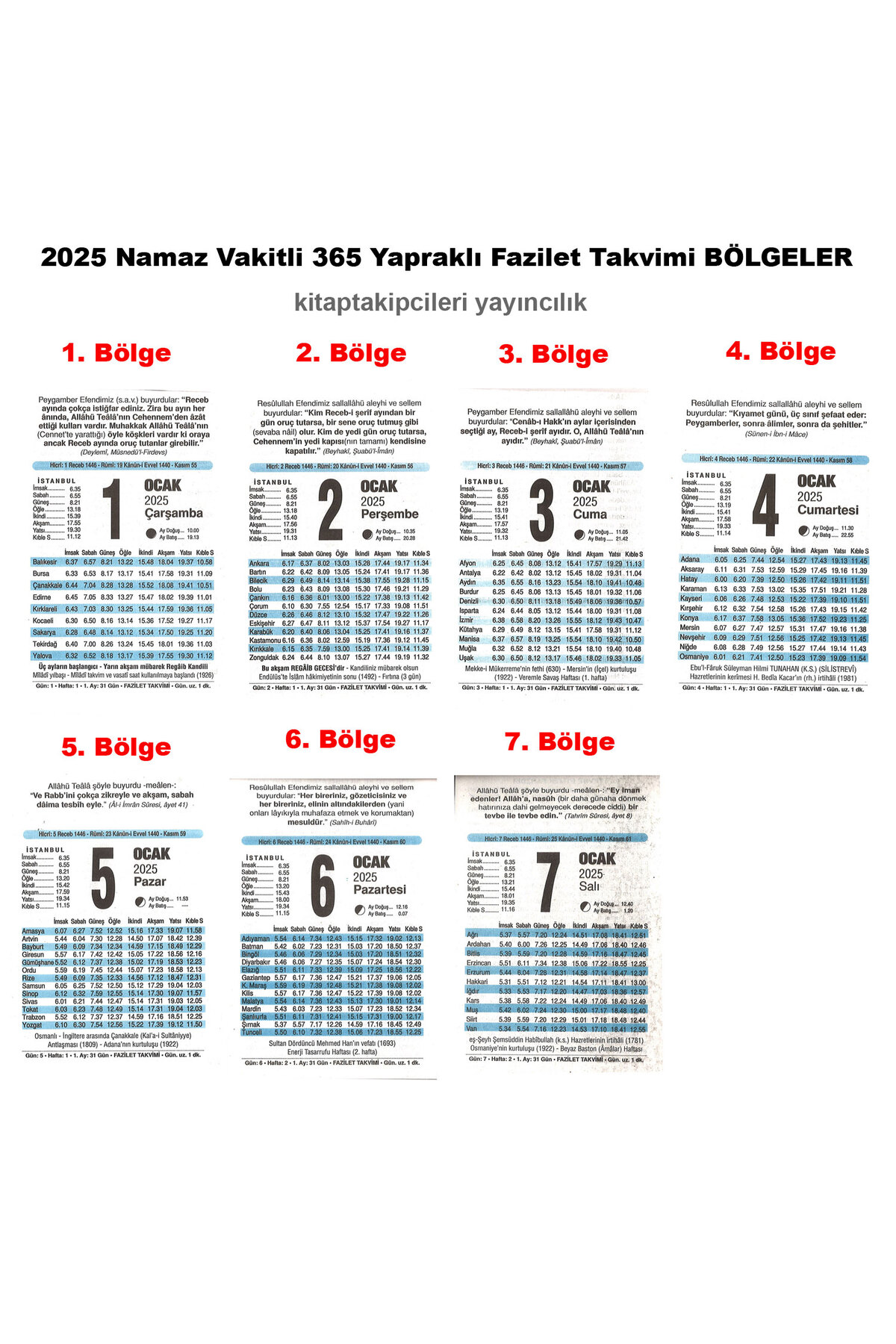
Whether you are living in Turkey, traveling abroad, or simply looking for reliable computation methods based on astronomical calculations, understanding how these prayer schedules work helps you stay consistent with your daily worship.
Understanding Diyanet Namaz Vakitleri
The term diyanet namaz vakitleri translates directly to the prayer times established by the Diyanet. Islamic prayer times are not arbitrary; they are strictly tied to the position of the sun in the sky. Because of this, timings change every single day and vary significantly depending on your exact geographical location, latitude, and longitude.
The Diyanet calculates these schedules using precise scientific data combined with traditional Islamic jurisprudence (fiqh) parameters. This ensures that Fajr (dawn), Dhuhr (noon), Asr (afternoon), Maghrib (sunset), and Isha (night) align perfectly with both sun angles and regional requirements.
The Five Daily Prayers and Their Timings
The Islamic calendar and daily routine revolve around five obligatory prayers. Each has a specific window in which it must be completed:
- Fajr (İmsak / Sabah): Begins at true dawn when the first light appears on the horizon and ends just before sunrise.
- Dhuhr (Öğle): Begins just after the sun passes its zenith (highest point in the sky) and starts to decline.
- Asr (İkindi): Begins when the shadow of an object equals its length plus the shadow length at noon (or twice its length, depending on the juristic method).
- Maghrib (Akşam): Begins immediately after the sun completely sets below the horizon.
- Isha (Yatsı): Begins when the twilight completely disappears from the sky and darkness sets in.
Special Times: Imsak and Gunesh
When checking official timetables, you will often notice additional entries such as İmsak and Güneş (Sunrise):
Video: Diyanet Namaz Vaktim Proğramı / Güncel Namaz Vakitleri Takvimi 2023

- İmsak: Marks the exact moment when fasting begins during Ramadan and the time when the Fajr prayer window opens.
- Güneş (Sunrise): Marks the end of the Fajr prayer window. No obligatory prayers are performed precisely while the sun is rising.
How Diyanet Calculates Prayer Times
Calculating accurate prayer times requires advanced astronomical formulas. The Diyanet relies on specific solar depression angles for twilight calculations. Traditionally, many international organizations use an angle of 18 degrees for Fajr and Isha, but the Diyanet applies parameters that closely match historical observations and regional conditions across Anatolia and surrounding zones.
For cities outside Turkey, the system adjusts calculations based on local coordinates while maintaining the established methodological standards of the institution. This ensures high accuracy whether you are looking up schedules for Istanbul, Berlin, London, or New York.
How to Check Daily Schedules
Accessing up-to-date daily schedules is easier than ever thanks to modern technology. Worshippers can find accurate timetables through several convenient channels:
- Official Website: The official Diyanet portal provides searchable databases for thousands of cities and towns worldwide. You simply select your country, province, and district to view a monthly or daily calendar.
- Mobile Applications: Official mobile apps offer push notifications for each prayer time, a Qibla compass, and monthly calendars right on your smartphone.
- Local Mosques: Printed monthly calendars (İmsakiye) are widely distributed in local mosques, especially leading up to and during the holy month of Ramadan.
- Media and Broadcasts: National television and radio channels in Turkey announce daily prayer times alongside weather reports.
Why Accuracy Matters
Performing prayers within their prescribed time frames (Waqt) is a fundamental requirement of valid worship in Islam. Relying on a trusted authority like the Diyanet eliminates guesswork. By accounting for daylight saving adjustments, atmospheric refraction, and precise geographical coordinates, these timetables give believers peace of mind that their daily duties are fulfilled at the correct moments.
Conclusion
Staying on track with your daily obligations is simple when you use reliable resources. Checking official schedules ensures that your worship aligns with both astronomical precision and traditional Islamic standards. Whether through web portals, mobile apps, or printed calendars, keeping track of daily timetables helps maintain consistency and spiritual discipline throughout the year.


