Do Cats Like Citrus Smells? The Truth About Felines
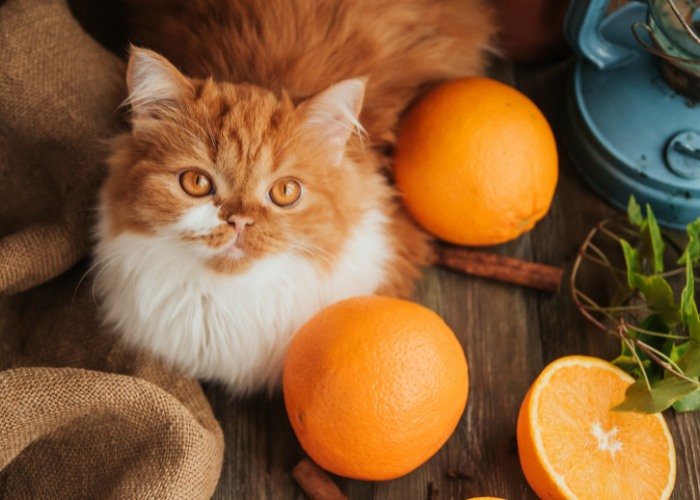
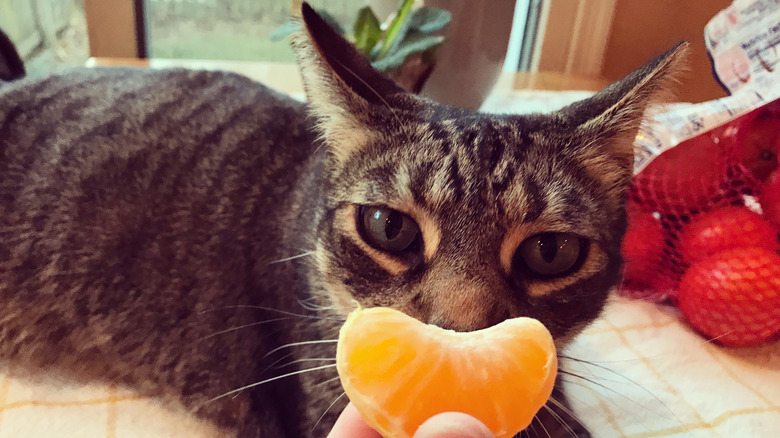
If you have ever peeled an orange near your cat and watched them wrinkle their nose, back away, or gag, you have witnessed a universal feline reaction. But why do cats like citrus smells so little? As it turns out, they don't like them at all. In fact, most cats find the aroma of lemons, limes, oranges, and grapefruits deeply offensive.
Understanding this aversion is useful for everything from protecting your house plants to finding safe ways to keep pets off the counters. However, using citrus around your home requires caution. While a deterrent for some, it can pose hidden health risks to your furry companion.
Why Do Cats Like Citrus Smells? (Spoiler: They Don't)
To put it simply, do cats like citrus smells? Absolutely not. While humans often find the scent of fresh lemons or oranges clean, bright, and refreshing, a cat's ultra-sensitive olfactory system experiences the exact same smell as an overwhelming sensory assault.
Cats possess a sense of smell that is roughly 14 times stronger than a human's. They have millions of scent receptors in their nasal cavities, meaning the potent compounds released by citrus fruits are magnified exponentially to them. What smells like a subtle hint of zest to you smells like a chemical wave to your cat.
The Biology Behind the Aversion
Several distinct factors contribute to why felines reject citrus fruits so strongly:
- High Concentration of Volatile Oils: The peels of oranges, lemons, and grapefruits contain high levels of aromatic compounds called d-limonene and linalool. These chemical compounds are intensely pungent to felines.
- Evolutionary Survival: In the wild, strong, unfamiliar, and pungent odors often signal danger, toxicity, or spoiled food. A cat's natural survival instinct tells them to steer clear of anything that smells aggressively chemical or foreign.
- The Vomeronasal Organ: Cats process scents not just through their nose, but also via the Jacobson's organ located on the roof of their mouth. This intensifies the profile of the citrus scent, making it even more unpleasant.
Are Citrus Scents Dangerous to Cats?
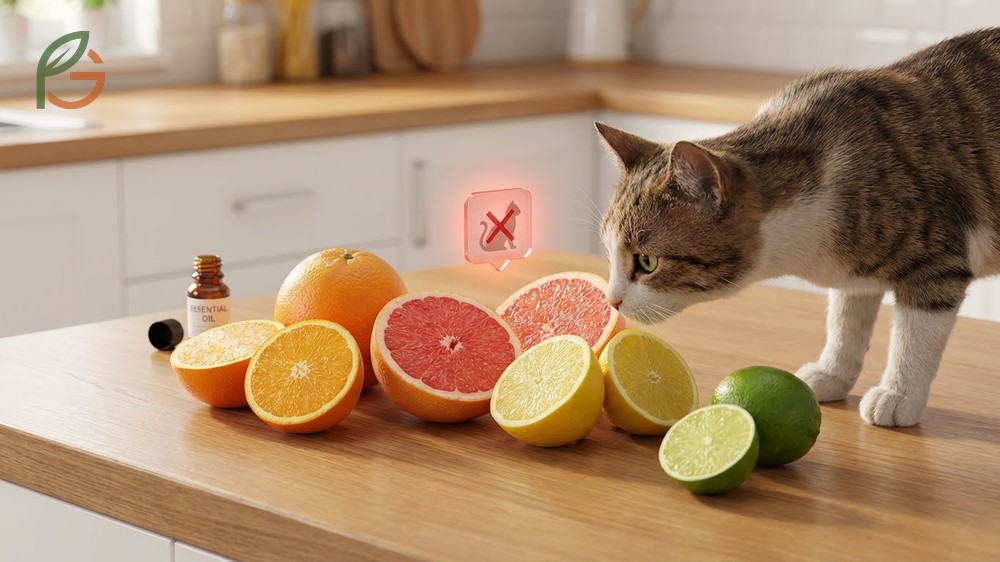
While the fruit itself generally just causes a cat to turn tail and run away, concentrated citrus products can be genuinely dangerous. If you are thinking about using citrus as a natural cat repellent, you must understand the difference between a fresh peel and a chemical extract.
Essential Oils and Extracts

Citrus essential oils are extremely toxic to cats. Because a cat's liver lacks specific enzymes (glucuronyl transferases) needed to metabolize certain terpenes and phenols found in essential oils, they cannot safely process these substances.
If citrus essential oil gets on a cat’s fur, they will groom themselves and ingest it, leading to potential toxicity. Symptoms of citrus oil poisoning include:
- Drooling and hypersalivation
- Vomiting and diarrhea
- Tremors or muscle weakness
- Lethargy or difficulty walking
- Low body temperature (hypothermia)
Always avoid using citrus essential oil diffusers in rooms where your cat spends a significant amount of time, and never apply citrus-based sprays directly to your pet's fur or skin.
Using Citrus as a Safe Cat Deterrent
Because cats naturally dislike citrus smells, many pet owners use this aversion to train cats to stay away from restricted areas, such as kitchen counters, Christmas trees, or specific furniture.
If you want to use citrus safely as a deterrent, follow these guidelines:
- Use Fresh Peels: Placing fresh orange or lemon peels on a small dish near an area you want to protect is generally safe. The scent will naturally dissipate over a day or two, and there are no concentrated liquid chemicals for the cat to ingest.
- Avoid Direct Contact: Never rub citrus peels directly onto your cat's scratching post or bed. This causes undue stress and forces them into an environment they find distressing.
- Monitor Your Cat's Reaction: If your cat simply avoids the room, the deterrent is working. If they are constantly pacing, stressed, or showing respiratory distress, remove the citrus source immediately.
Other Smells Cats Hate
Citrus is far from the only aroma that sends cats running. If you are looking for alternative ways to deter your cat from certain household items, they also tend to despise:
- Banana peels: Similar to citrus, the strong smell of overripe bananas contains compounds that cats find unappealing.
- Fresh herbs: While some cats love catnip, most cannot stand the pungent aromas of rosemary, lavender, thyme, or pennyroyal.
- Coffee grounds: The intense, bitter aroma of fresh or used coffee grounds is a major turn-off for felines (and coffee is toxic to cats if ingested, so use with care).
- Eucalyptus and menthol: Strong medicinal scents trigger the same avoidance response as citrus oils.
Conclusion
So, do cats like citrus smells? Decidedly, no. Their acute sense of smell makes the potent oils in oranges, lemons, and grapefruits deeply unpleasant. While a few fresh fruit peels can serve as a harmless, natural deterrent to keep your cat off the furniture, always steer clear of concentrated citrus essential oils to protect your cat's health and safety.