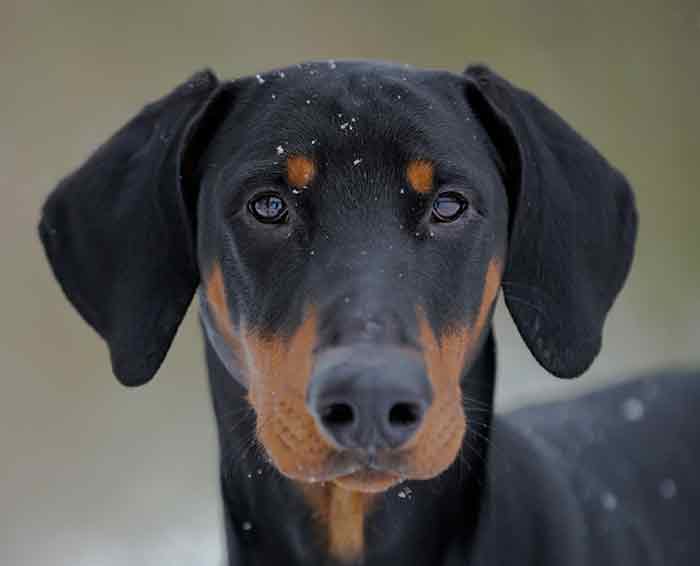
Doberman Ears Not Cropped: Natural, Cute & Healthy
When most people picture a Doberman Pinscher, they visualize a sleek dog with sharp, upright ears. However, a major shift in the dog community is underway, with many owners choosing to leave their doberman ears not cropped. This traditional look, which involves surgical cropping and tedious posting, is increasingly being skipped in favor of the breed's natural, floppy-eared appearance.

Opting for a natural Doberman comes with distinct advantages, ranging from easier puppyhood to a friendlier, more approachable aesthetic. If you are considering adding a Doberman to your family or looking into a rescue, understanding what life is like with an uncropped dog will help you make an informed choice.
The Natural Look of Uncropped Dobermans
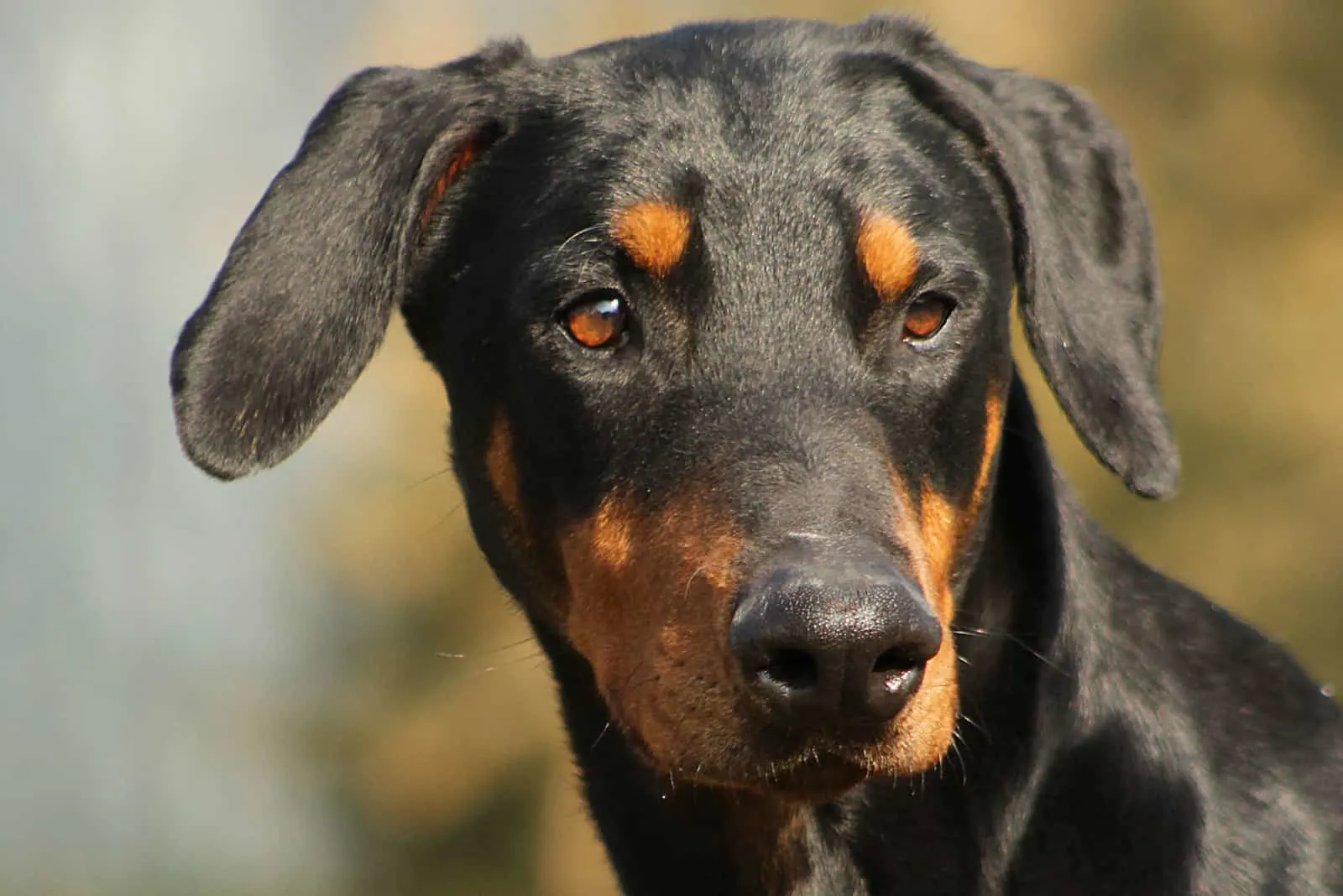
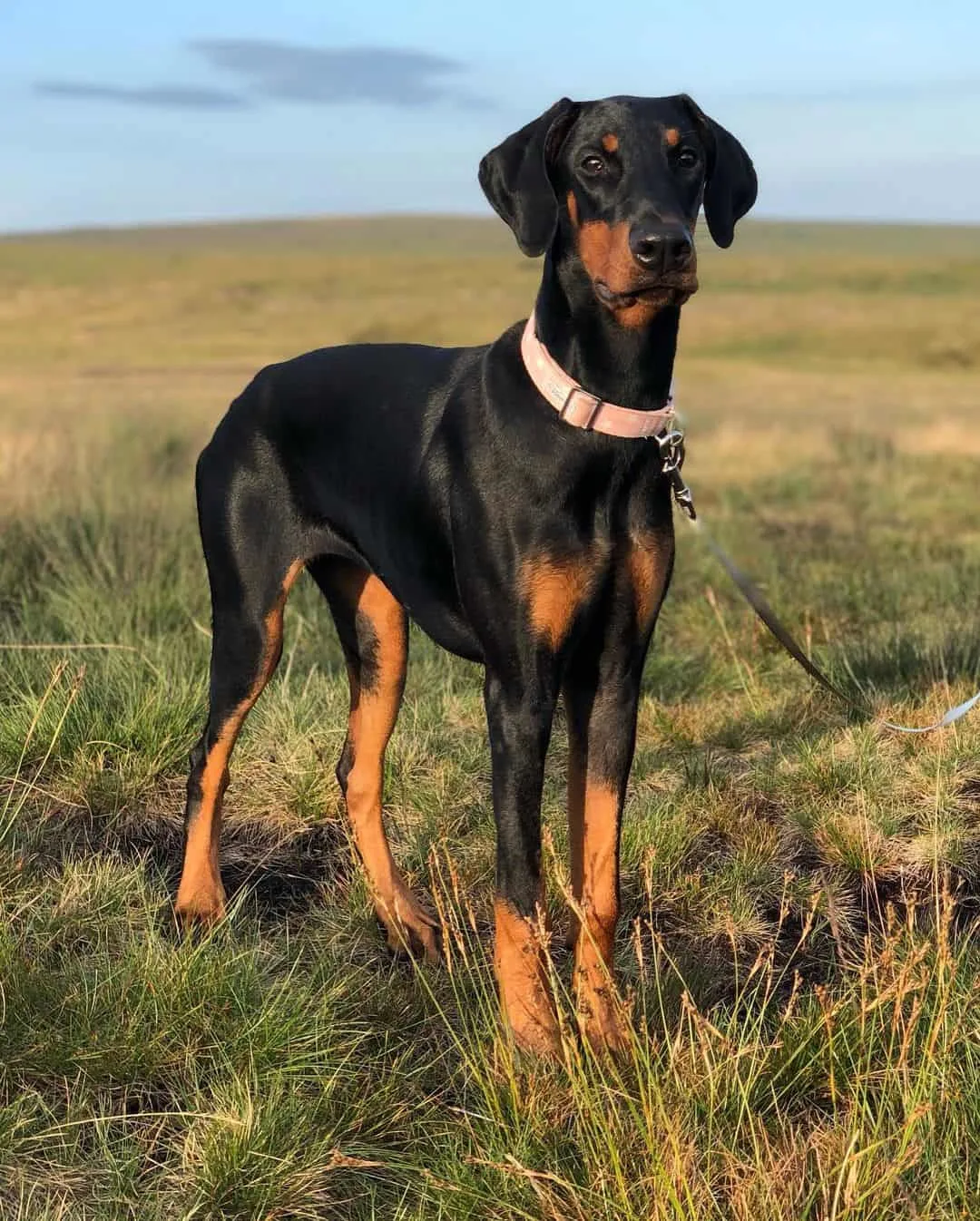
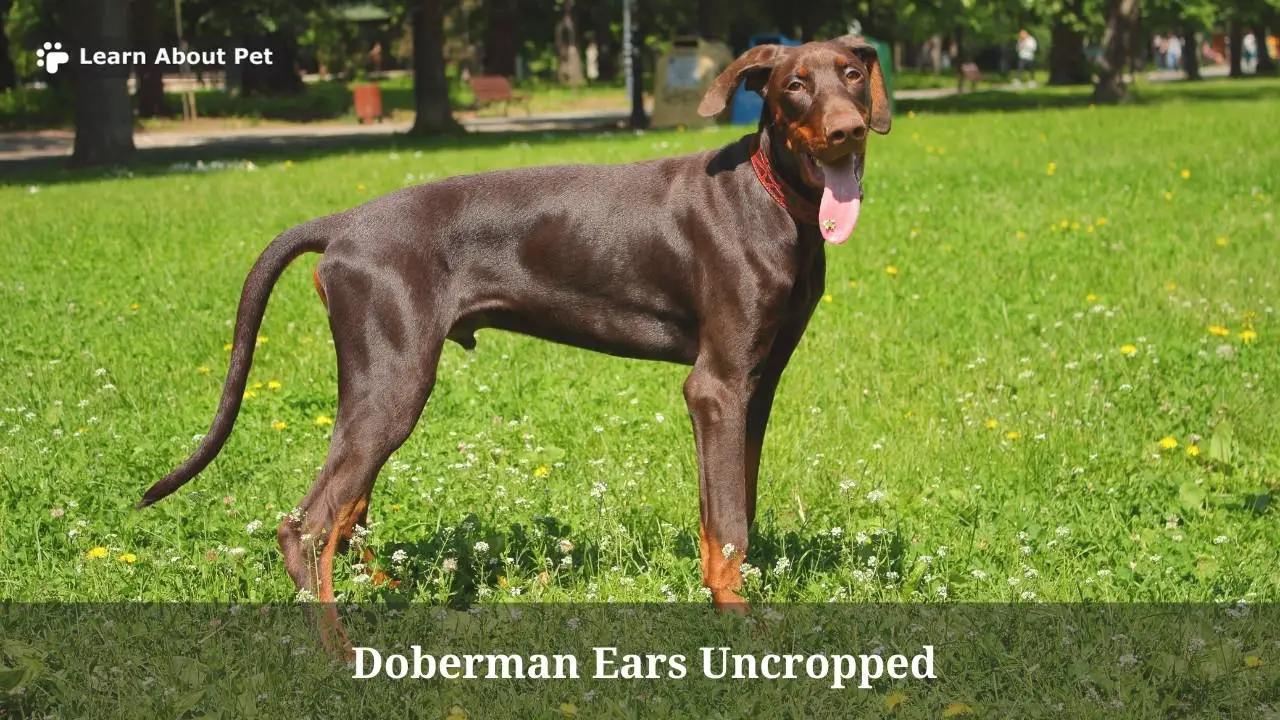
A Doberman with natural ears looks remarkably different from the stereotyped guard dog image. Instead of rigid triangles pointing toward the sky, uncropped Dobermans possess soft, folded ears that frame their expressive eyes and wedge-shaped heads.
Puppies are born with floppy ears, and without surgical intervention at around 8 to 12 weeks of age, those ears remain down. They typically fold forward and drop close to the cheeks, similar to the ear shape of a Hound or a Vizsla. This natural state gives the dog a softer, less intimidating expression, which can be advantageous when socializing your dog in public parks or neighborhoods.
Health and Behavioral Benefits
Choosing not to crop your Doberman's ears offers several tangible benefits for the dog's physical and psychological well-being. Unlike tail docking—which is sometimes performed for working utility—ear cropping is purely cosmetic.
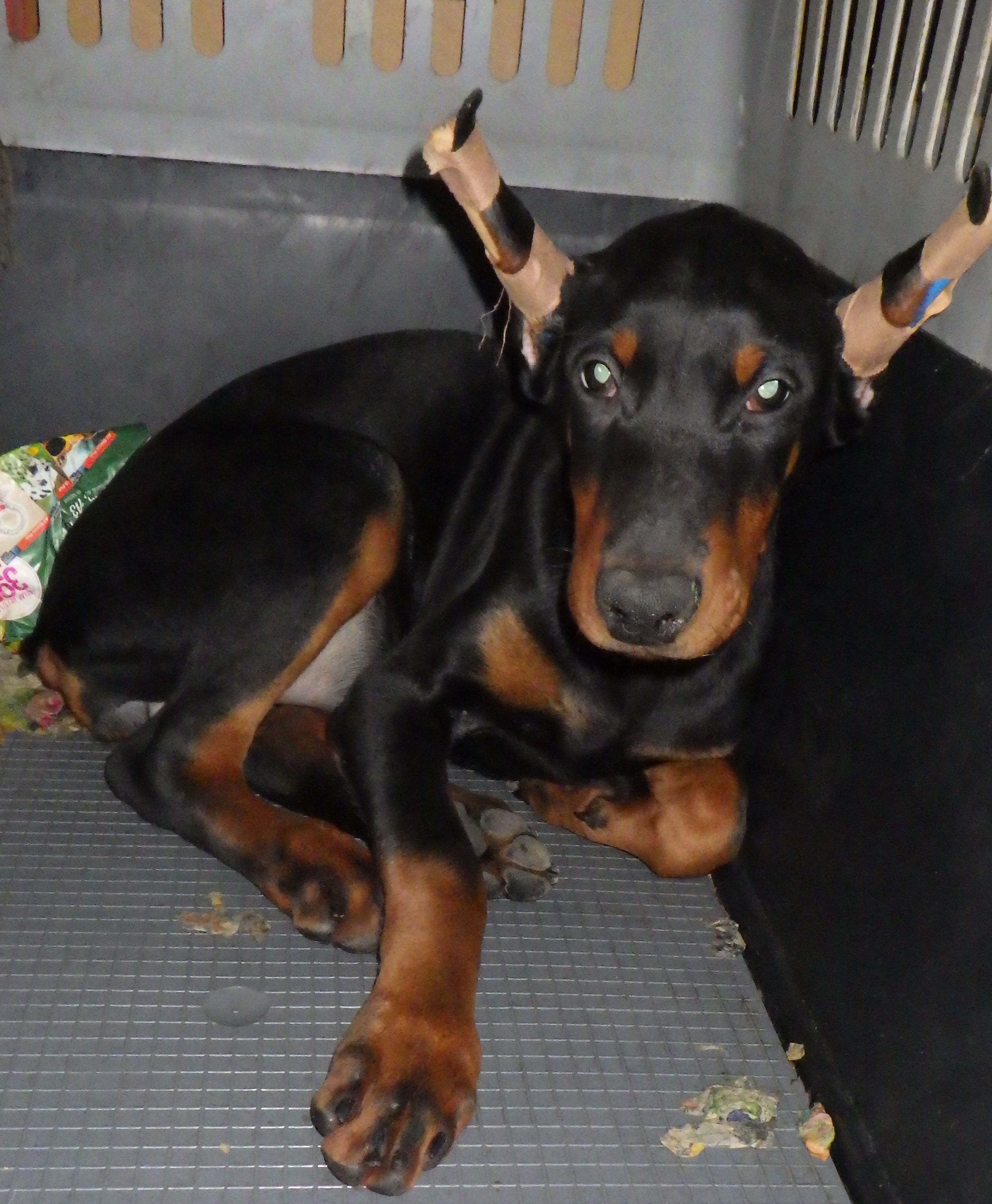
- No Surgical Pain: Ear cropping is a major cosmetic surgery requiring general anesthesia, followed by weeks or months of painful ear posting to train the cartilage to stand. Leaving ears natural spares the puppy this ordeal.
- Reduced Infection Risk: Floppy ears can sometimes trap moisture, but cropped ears leave the ear canal more exposed to debris, dust, and foreign objects. Natural ears provide a protective physical barrier over the ear canal.
- Better Canine Communication: Dogs use their ears heavily for body language. Natural ears are much more mobile and expressive, allowing other dogs to read their emotional state (whether they are relaxed, curious, or tense) far more accurately.
Caring for Natural Doberman Ears
While having natural ears means you bypass the stressful months of taping and posting, it does not mean you can ignore them entirely. Proper hygiene is essential to prevent common canine health issues.
Video: Cropped Ears vs. Natural Ears: Which is Better?

Routine Cleaning and Maintenance
Dobermans have single, short coats, but their skin can be sensitive. Because their ears fold over, the inner ear has less airflow than an upright ear.
- Check the ears weekly for signs of redness, foul odor, or excessive wax buildup.
- Use a vet-approved canine ear cleaning solution and a cotton ball to gently wipe the outer ear canal. Never insert cotton swabs deep into the ear.
- Dry the ears thoroughly after baths or swimming to prevent bacterial and yeast infections.
Teething and Ear Carriage
During the teething phase (around 4 to 6 months of age), you might notice your Doberman's natural ears doing funny things. They might fly out to the sides, fold backward, or look uneven. This is entirely normal. As the jaw and skull muscles develop and finish growing, the ears usually settle into a balanced, symmetrical drape.
Global Standards and Breed Clubs
Perception of the Doberman varies significantly around the world. In the United States and Canada, cropping remains common in show rings, though it is slowly declining. However, in the UK, Australia, and throughout most of Europe, cosmetic cropping has been banned for decades.
Major international kennel clubs, including the UKC and the FCI, penalize cropped dogs in conformation shows or ban them outright. This means that globally, the vast majority of Dobermans sport their natural look. Even in North America, many breed enthusiasts, agility competitors, and pet owners are proudly showcasing uncropped Dobermans.
Conclusion
Choosing to keep your doberman ears not cropped is a personal decision that prioritizes your puppy's comfort, health, and natural beauty. Uncropped Dobermans make fantastic, loyal, and striking companions. By skipping the surgery, you get a dog with a warmer expression, a simpler puppyhood, and a personality that shines through every floppy, expressive movement.