Doctors Hate This One MyChart TVC Hack! What It Is
Scroll through local health forums or social media threads about navigating modern healthcare, and you will inevitably see variations of a familiar, click-heavy headline: Doctors Hate This One MyChart TVC Hack! In most cases, these posts target patients of The Vancouver Clinic (TVC) in Southwest Washington, promising an easy loophole to bypass appointment wait times, skip copays, or get immediate attention from a busy physician. But what is this supposed shortcut, does it actually work, and why do clinical staff react so strongly against it?

To understand the controversy, you have to look at the intersection of patient frustration with appointment availability and the unprecedented volume of digital communication hitting primary care physicians every single day.
What Is the Supposed "MyChart TVC Hack"?
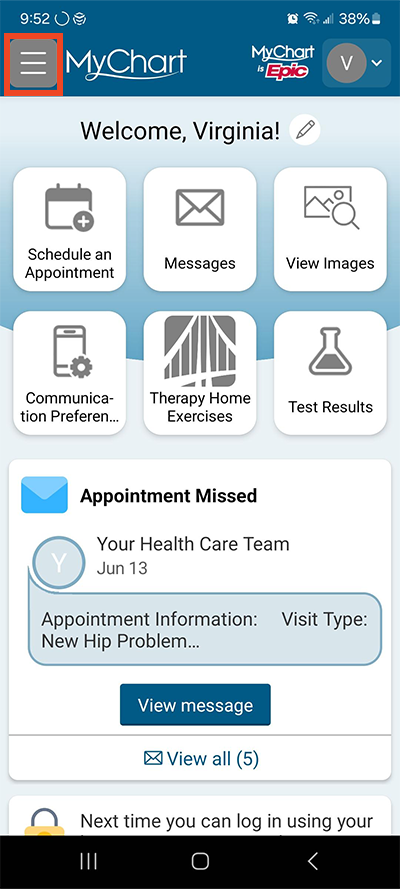
When people refer to a "hack" for MyChart at The Vancouver Clinic, they are almost always talking about one specific behavior: treating the portal’s secure messaging function as a free, instantaneous substitute for a clinical evaluation.
The premise shared online suggests that instead of waiting three weeks for an open primary care slot or paying an urgent care copay, a patient can simply message their provider with a detailed, multi-paragraph list of new medical complaints, photos, and a request for prescriptions. The logic assumes the doctor is obligated to respond, diagnose the issue, and call in medication without the patient ever booking an appointment.
A secondary variant involves exploiting TVC's scheduling portal by creating rapid-fire, repetitive placeholder appointments across multiple departments or constantly refreshing cancelled slots using browser automation tools, effectively hoarding calendar openings.
Why Doctors Hate This One MyChart TVC Hack!
Physicians, nurse practitioners, and clinical staff do not push back against these tactics because they want to make healthcare difficult. Their resistance is driven by patient safety, clinical ethics, and severe professional burnout.
1. The Reality of "Pajama Time" and Clinician Burnout
Modern physicians spend upwards of two hours handling electronic health records (EHR) and administrative tasks for every one hour of direct patient care. Patient messages sent through TVC’s MyChart platform do not arrive in an empty void; they land in an already overburdened inbox alongside critical lab alerts, prescription refill requests, and specialist consult notes.
When patients attempt to turn a message into an unbooked full-scale consultation, clinicians are forced to review complex histories during their personal hours—a phenomenon medical researchers call "pajama time." This is one of the leading drivers of early retirement and burnout among primary care physicians.
2. Patient Safety Risks and Incomplete Triage
MyChart messaging is asynchronous. Providers generally have several business days to respond to non-urgent inquiries. Attempting to "hack" the system to resolve acute symptoms—such as worsening abdominal pain, chest tightness, sudden rashes, or neurological changes—can lead to catastrophic delays in care. A portal message is not monitored like an emergency department triage desk.
3. The New Reality of Medical Billing for Portal Messages

Many patients believe messaging is a permanent loophole for free medical advice. However, health systems nationwide, including regional networks like The Vancouver Clinic, have updated their billing policies in line with Centers for Medicare & Medicaid Services (CMS) guidelines. Complex medical inquiries that require more than five minutes of medical decision-making can now be billed as virtual check-ins or digital evaluation and management (E/M) services. Patients who attempt this shortcut often end up with an unexpected bill or copay regardless.
Legitimate Ways to Get Faster Care at TVC Without Alienating Your Care Team
Rather than using gimmicks that frustrate clinic staff and risk clinical oversight, patients can use built-in, legitimate features within TVC's MyChart to secure appointments sooner and resolve issues quickly.
1. Leverage the "Fast Pass" Waitlist Feature
When you book an appointment in MyChart that is further out than you would like, always opt into the digital waitlist (often referred to in Epic systems as Fast Pass). If another patient cancels, the system automatically sends a text or portal notification to patients on the waitlist. If you reply quickly, you can move your appointment up by days or even weeks without calling the clinic or spamming messages.
2. Use Dedicated E-Visits for Simple Concerns
Instead of trying to sneak a medical evaluation into a general customer service message, use TVC’s formal E-Visit feature. An E-Visit is an asynchronous, questionnaire-based clinical encounter designed specifically for routine, low-acuity conditions like:
- Uncomplicated urinary tract infections (UTIs)
- Sinus infections and seasonal allergies
- Minor skin rashes or insect bites
- Pink eye (conjunctivitis)
E-Visits are routed to dedicated clinicians whose specific job that day is to process digital consultations, ensuring a rapid turnaround without bogging down your personal primary care doctor's off-hours inbox.
3. Check Same-Day and Urgent Care Reservation Windows
The Vancouver Clinic offers same-day scheduling and urgent care reserve-your-spot features online. Instead of showing up unannounced or calling repeatedly, check the portal early in the morning (between 7:00 AM and 8:30 AM), when daily clinical templates open up for acute appointments.
How to Write an Effective MyChart Message
Your care team wants to hear from you when appropriate. Using the portal constructively improves your relationship with your provider and gets you faster answers. Follow these guidelines for secure messaging:
- Keep it focused on one issue: Limit your message to a single, clear question. If you have three separate medical concerns, you need an in-person or video visit.
- State the action requested upfront: Start with your specific goal (e.g., "Need dosage adjustment on existing blood pressure medication," or "Following up on Tuesday's cholesterol lab results").
- Provide objective data: Include relevant numbers (e.g., "My morning blood pressure readings this week averaged 138/86").
- Never use messages for emergencies: For severe pain, shortness of breath, or sudden onset symptoms, bypass the portal completely and head to urgent care or the nearest emergency room.
The Bottom Line
The idea of a secret "MyChart TVC hack" makes for great social media engagement, but in the clinical world, shortcuts that circumvent proper intake channels compromise patient safety and strain healthcare workers. By using legitimate tools like the MyChart waitlist, targeted E-Visits, and clear, respectful messaging, you can navigate your care at The Vancouver Clinic efficiently while ensuring your doctor remains an ally in your health.