Does AZO Help with Kidney Stones? What to Know
When excruciating flank pain, frequent urination, and cramping strike, finding immediate relief becomes top priority. Many people reach for over-the-counter urinary analgesics like AZO when they experience lower urinary tract discomfort. However, a common question arises among those suffering from renal issues: does AZO help with kidney stones?
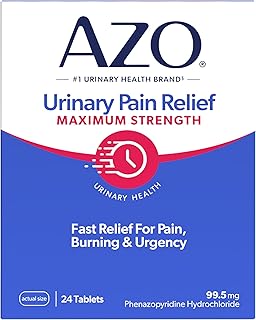
The short answer is no, AZO will not treat, dissolve, or cure kidney stones. While it can help manage certain symptoms associated with urinary tract irritation, it is not designed to address the underlying cause of kidney stones.
What Is AZO and How Does It Work?
To understand why AZO has limitations regarding kidney stones, it helps to look at what the medication actually does. The active ingredient in standard AZO Urinary Pain Relief is phenazopyridine hydrochloride.
- Urinary Pain Reliever: Phenazopyridine is a dye that exerts a topical, local anesthetic effect on the lining of the urinary tract.
- Symptom Management Only: It targets discomfort, burning, urgency, and the frequent sensation of needing to urinate.
- Not a Cure: It does not have antibacterial properties and will not cure urinary tract infections (UTIs), nor will it break down mineral deposits in the kidneys.
Essentially, AZO acts like a topical painkiller for your bladder and urethra. It masks the pain rather than fixing the root problem.
Does AZO Help with Kidney Stones? The Medical Reality
Kidney stones are hard mineral and salt deposits that form inside your kidneys. When these stones attempt to travel down the ureters—the narrow tubes connecting the kidneys to the bladder—they cause intense, sharp pain, inflammation, and sometimes bleeding.
Because AZO only numbs the lower urinary tract (the bladder and urethra), it generally provides little to no relief for the severe, deep-seated pain originating in the kidneys or ureters. Here is a breakdown of how kidney stones and AZO interact:
- Upper Tract Pain: The agonizing colicky pain of a kidney stone usually happens higher up in the back, side, or abdomen where AZO's topical anesthetic cannot reach.
- Passing the Stone: AZO cannot dilate the ureters, alter urine chemistry, or dissolve calcium, uric acid, or struvite stones.
- Urinating Out the Stone: If a small stone has already traveled down into the bladder and is causing urethral burning as it passes, AZO might slightly take the edge off that final stage of discomfort. However, this is a minor comfort, not a treatment.
Risks of Using AZO for Kidney Stones
Relying on AZO when you suspect you have kidney stones can actually be counterproductive or even dangerous for a few specific reasons:
Video: Does Walking Help Pass Kidney Stones? by Dr. Roshan Patel - UCI Department of Urology

Masking Critical Warning Signs
Kidney stones can sometimes lead to serious medical emergencies, such as severe urinary tract infections, hydronephrosis (swelling of the kidney), or permanent kidney damage. By masking symptoms like burning or lower abdominal discomfort, AZO might trick you into thinking your condition is improving while a serious blockage worsens.
Delaying Proper Medical Care
Severe flank pain, nausea, vomiting, fever, chills, and blood in the urine are red flags that require professional medical evaluation. Imaging tests like CT scans or ultrasounds are necessary to determine the size and location of a kidney stone. Taking AZO instead of seeking a proper diagnosis can delay essential treatments, such as medical expulsive therapy, lithotripsy, or surgical removal.
Safe Ways to Manage Kidney Stone Pain
If you are dealing with kidney stones, your primary focus should be working with a healthcare provider. Depending on the stone's size and your symptoms, doctors typically recommend:
- Hydration: Drinking plenty of water helps flush the urinary tract and can assist in moving smaller stones out of the body.
- Prescription Medications: Alpha-blockers are frequently prescribed to relax the muscles in your ureter, making it easier and less painful for a stone to pass.
- Medical Pain Relievers: Over-the-counter anti-inflammatories (like ibuprofen, if approved by your doctor) or prescription pain medications target the systemic inflammation and severe spasms associated with stones far more effectively than AZO.
- Medical Procedures: For larger stones that cannot pass on their own, urologists may use shock wave lithotripsy (SWL) or ureteroscopy to break up or remove the blockage.
When to See a Doctor Immediately
Kidney stone pain can be severe, but certain symptoms indicate a medical emergency. Go to the nearest emergency room or contact your doctor immediately if you experience:
- Fever and chills (indicating a potential infection)
- Inability to keep fluids down due to severe nausea and vomiting
- Complete inability to urinate (a medical emergency signaling a total blockage)
- Severe pain that is completely unmanaged by prescribed pain medications
- Visible, heavy bleeding in your urine
Conclusion: While AZO is a fantastic over-the-counter tool for soothing the bladder discomfort of a UTI, it does not help with kidney stones. If you suspect you have a kidney stone, skip the temporary pain mask and consult a healthcare professional for a safe, accurate diagnosis and effective treatment plan.


