Does Eating Bread Absorb Alcohol? The Truth Behind the Myth
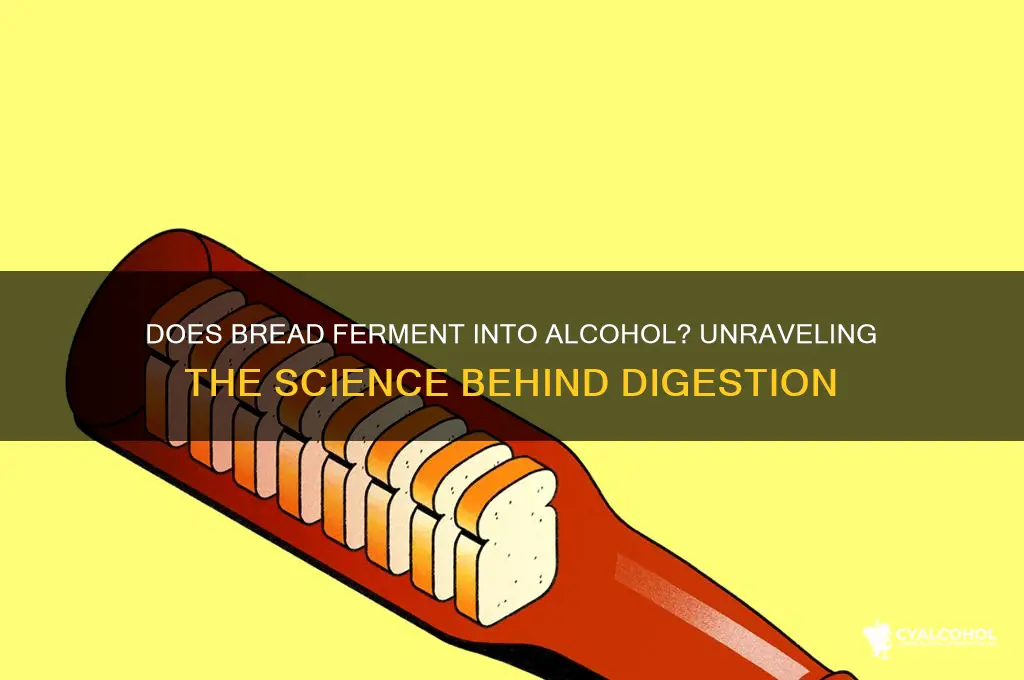
When you are planning a night out, a common piece of traditional wisdom gets passed around: "Make sure you eat some bread so it soaks up the alcohol." It sounds plausible enough. Bread is dense, absorbent, and comforting. But from a biological perspective, does eating bread absorb alcohol in the way most people think it does?
The short answer is no. Bread does not act like a kitchen sponge soaking up liquid inside your stomach. However, having food in your stomach—including bread—does significantly change how your body processes alcohol. To understand what is really happening, we need to look at how alcohol is absorbed, the role of your stomach, and how to properly prepare your body for a drink.
How Alcohol Is Absorbed in the Body
To understand the bread myth, you first need to understand how alcohol travels through your digestive system. Unlike most foods, which require extensive digestion in the stomach and small intestine before their nutrients can enter the bloodstream, alcohol is a small molecule that requires zero digestion.
About 20% of the alcohol you consume is absorbed directly through the stomach lining into the bloodstream. The remaining 80% passes into the small intestine, where it is absorbed rapidly due to the immense surface area of the intestinal walls. Once in the bloodstream, alcohol travels to the liver, which metabolizes it at a relatively fixed rate—roughly one standard drink per hour.
The "Sponge" Misconception
People often imagine the stomach as an empty container filled with liquid alcohol, waiting for a piece of bread to drop in and soak it up. In reality, your stomach is a muscular organ that constantly churns and secretes gastric juices.
While a piece of bread will certainly mix with the contents of your stomach, it does not chemically neutralize or permanently trap alcohol molecules. The alcohol remains in the liquid phase of your stomach contents and will eventually make contact with the stomach lining or pass into the small intestine. Bread delays the journey, but it does not act as an internal sponge.
Does Eating Bread Before Drinking Do Anything?
Even though bread doesn't absorb alcohol like a sponge, eating it before you drink is still better than drinking on an entirely empty stomach. This comes down to the mechanics of digestion and the pyloric sphincter.
The pyloric sphincter is the valve at the bottom of your stomach that controls when and how food empties into the small intestine. Here is how bread influences this process:
- Stomach Emptying: When you eat bread, your pyloric sphincter tends to close or slow its opening to allow the stomach to process the food. This keeps the alcohol trapped in the stomach for a longer period.
- Slower Absorption Rate: Because the alcohol lingers in the stomach longer, it enters the small intestine gradually rather than all at once. This prevents a sudden, massive spike in your blood alcohol concentration (BAC).
- Reduced Peak Intoxication: A slower absorption rate gives your liver more time to process the alcohol as it trickles into your system, keeping your peak BAC lower than if you drank on an empty stomach.
Why Bread Alone Isn't Enough
While carbohydrates like bread can slow down alcohol absorption, they are not the most effective macronutrient for the job. Bread digests relatively quickly compared to fats and proteins, meaning its buffering effect wears off faster than you might think.
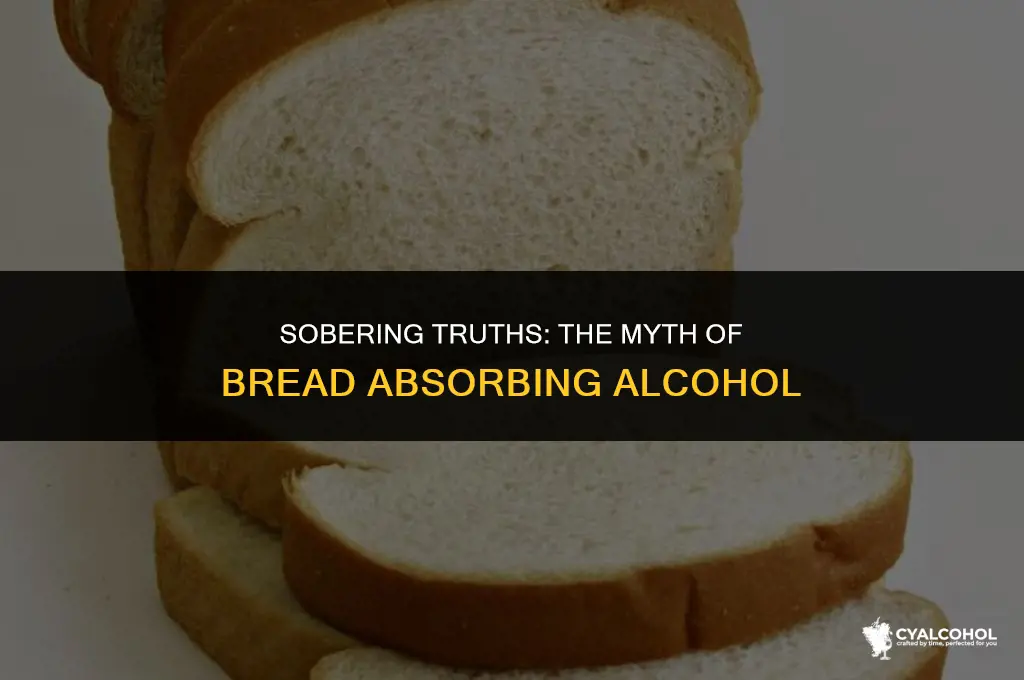
If you rely solely on a piece of white bread before a heavy night of drinking, you may find that the buffer disappears too quickly, leading to faster intoxication than anticipated.
Better Foods to Eat Before Drinking
If your goal is to slow down alcohol absorption and protect your stomach lining, you should look beyond plain bread. A balanced meal containing proteins, healthy fats, and complex carbohydrates is far more effective.
1. Healthy Fats
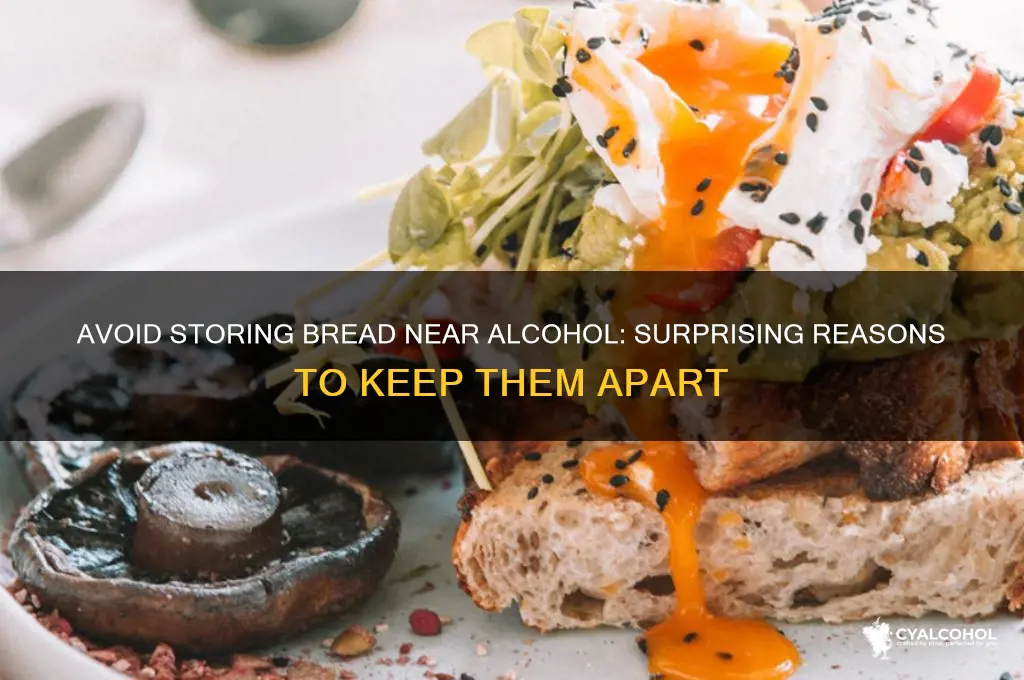
Fats take the longest to digest of all macronutrients. Eating a meal rich in healthy fats—such as avocados, olive oil, nuts, or fatty fish—causes your stomach to delay emptying significantly. This creates a prolonged barrier that slows down alcohol's journey to the small intestine.
2. Proteins
Proteins take more time and effort for your stomach to break down than simple carbohydrates. Lean meats, eggs, beans, or Greek yogurt help stabilize your digestion and keep food in your stomach longer.
3. Fiber and Complex Carbohydrates
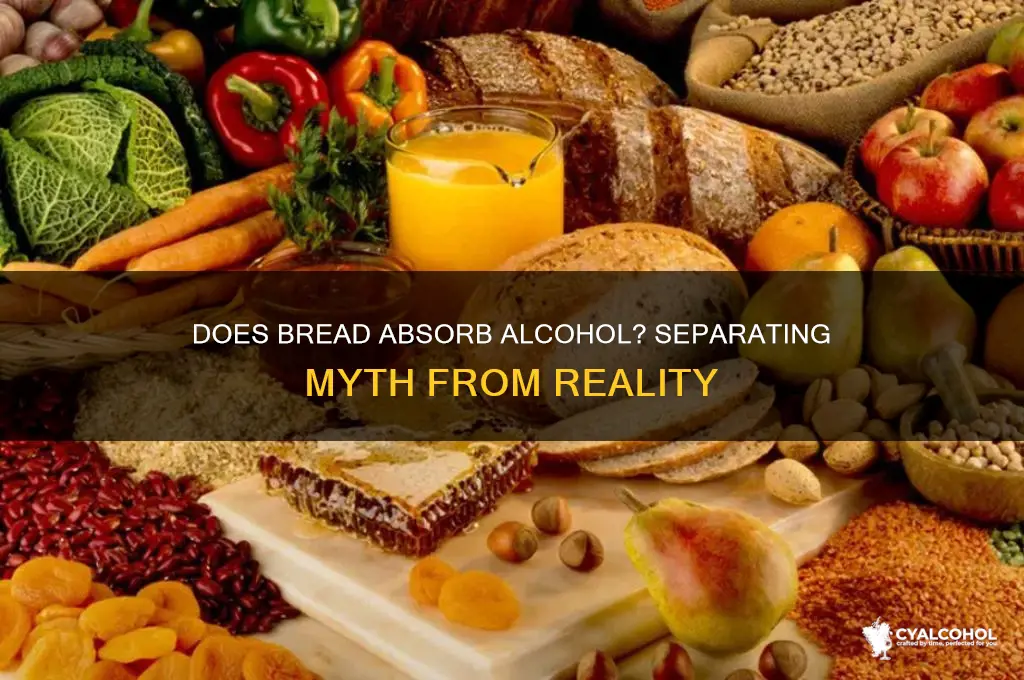
Instead of refined white bread, opt for whole-grain bread, oats, or vegetables. These contain complex carbohydrates and fiber that digest at a steadier pace, providing a sustained buffer against alcohol.
The Bottom Line on Bread and Alcohol
So, does eating bread absorb alcohol? Chemically and literally, no. It will not soak up your drinks or magically prevent a hangover the next morning. However, eating bread is vastly superior to drinking on an empty stomach because it slows down the rate at which alcohol enters your small intestine.
For the best results, do not rely on a single slice of toast. Combine your carbohydrates with protein and healthy fats for a truly effective pre-drinking meal, stay hydrated with water, and always drink responsibly.