Does Eugenol Oil for Roaches Actually Work?
Dealing with a cockroach infestation can feel overwhelming, driving many homeowners to search for chemical-free alternatives to harsh commercial sprays. If you are looking for a natural, plant-based deterrent, using eugenol oil for roaches is a popular method worth exploring. Derived primarily from clove oil, eugenol is a powerful natural compound known for its strong scent and potent pest-repelling properties.

While natural remedies offer a safer environment for children and pets, understanding how eugenol works ensures you use it effectively rather than wasting time on methods that only offer temporary relief.
What is Eugenol and How Does It Affect Roaches?
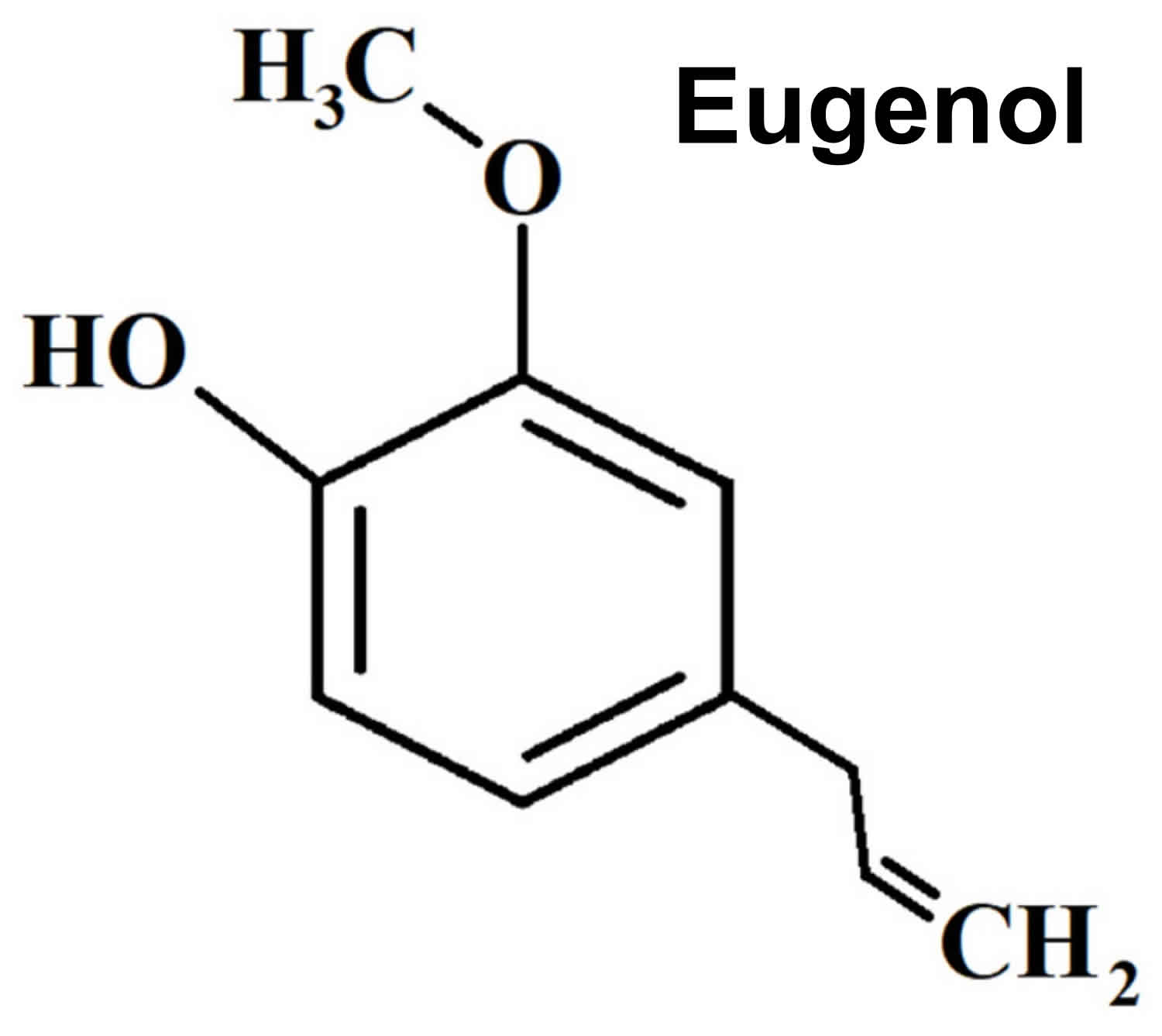
Eugenol is a phenylpropanoid compound naturally found in several plants, most notably in clove buds, cinnamon, nutmeg, and bay leaves. It is widely used in dentistry for its analgesic properties, but in the pest control world, it acts as a neurotoxin to many crawling and flying insects.
When roaches come into contact with concentrated eugenol, it disrupts their central nervous system. Insects rely heavily on their sense of smell and external receptors to navigate, find food, and communicate. The intense aroma and chemical makeup of eugenol overwhelm these senses, causing disorientation, respiratory distress, and in high concentrations, death.
Using Eugenol Oil for Roaches: DIY Recipes
Pure essential oils are highly concentrated and can damage surfaces or irritate skin if applied directly. To use eugenol oil safely and effectively in your home, you need to dilute it properly. Here are two practical ways to prepare a treatment:
1. The Standard Spray Solution
This all-purpose spray can be applied directly to baseboards, cracks, and crevices where roaches are likely to hide during the day.
- 1 cup of distilled water
- 15 to 20 drops of pure clove oil (which is rich in eugenol) or isolated eugenol oil
- 1 teaspoon of liquid dish soap (acts as an emulsifier to help the oil mix with water)
Combine these ingredients in a clean spray bottle and shake thoroughly before each use. The dish soap also helps the solution stick to roaches' exoskeletons if sprayed directly.
2. Cotton Ball Treatment for Tight Spaces
If you want to deter roaches from entering specific dark, enclosed areas like under the sink, behind the refrigerator, or inside dark pantries, cotton balls are an excellent delivery system.

- Place 5 to 7 drops of eugenol oil onto several cotton balls.
- Tuck them into corners, dark crevices, and near entry points.
- Refresh the oil every 5 to 7 days as the scent evaporates.
Pros and Cons of Using Eugenol Oil
Like any pest control method, using eugenol has distinct advantages and limitations. Knowing what to expect helps manage your pest control strategy.
Advantages
- Pet and Child Friendly: Unlike synthetic organophosphates or pyrethroids, properly diluted natural oils leave no toxic chemical residues.
- Pleasant Aroma: Instead of chemical fumes, your home will smell faintly of warm spices like cloves.
- Targeted Repellent: It effectively deters roaches from specific zones and can kill individual bugs on direct contact.
Limitations
- Short Lifespan: Essential oils evaporate quickly, meaning treatments must be reapplied frequently.
- Repellent, Not Eradication: Eugenol mainly repels roaches rather than destroying an entire hidden nest behind your walls.
- Potential Irritation: Concentrated eugenol can cause skin irritation or respiratory discomfort if inhaled in large amounts.
Safety Precautions and Best Practices
Even though eugenol is natural, it must be handled with care. Keep the following safety guidelines in mind:
- Protect Pets: Some essential oils, including clove oil, can be toxic to cats and dogs if ingested in large quantities or applied directly to their skin. Keep pets away from treated areas until the spray dries.
- Test Surfaces: Spray a small, hidden patch of baseboard or flooring first to ensure the oil and dish soap mixture does not stain or strip the finish.
- Wear Gloves: Handle pure eugenol oil with gloves to prevent skin sensitization.
When to Call a Professional Exterminator
Eugenol oil is fantastic for minor, localized pest issues, prevention, and keeping stray bugs away. However, if you spot roaches during daylight hours, notice a distinct musty odor, or find droppings in multiple rooms, you likely have a full-blown infestation.
In severe cases, DIY methods will not be enough to break the breeding cycle. Professional pest control technicians utilize commercial-grade baits, growth regulators, and targeted dusts that eliminate colonies at the source.
Conclusion
Incorporating eugenol oil for roaches into your cleaning and prevention routine is a smart, chemical-free way to keep your living spaces uninviting to pests. By combining this fragrant deterrent with rigorous sanitation—such as sealing food containers, fixing leaky pipes, and eliminating clutter—you can maintain a clean, roach-free home safely and naturally.