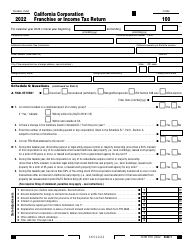
Don't File California Form 100 Until You Read These Updates
Filing corporate taxes in California has never been simple, but recent shifts in state enforcement and statutory thresholds have raised the stakes even higher. If your business operates in or sells to customers in the Golden State, don't file California Form 100 until you read these updates. Overlooking changes from the California Franchise Tax Board (FTB) can lead to unexpected tax assessments, forfeiture of valid deductions, or costly compliance penalties.

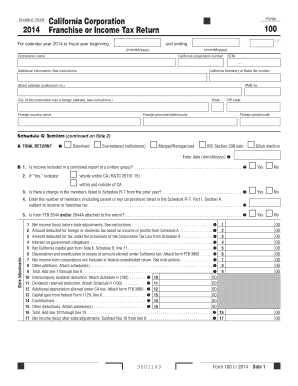
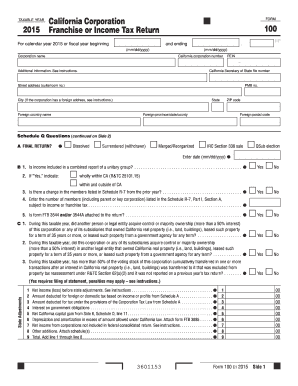
California Form 100 (Corporation Franchise or Income Tax Return) applies to general corporations, financial institutions, and certain other taxable business entities organized or doing business in California. Whether you manage an in-state C-corporation or an out-of-state company with economic ties to California, here is what you need to verify before submitting your return.
Don't File California Form 100 Until You Read These Updates to Nexus and Sourcing
California enforces aggressive economic nexus rules under California Revenue and Taxation Code (R&TC) Section 23101. You do not need physical offices, warehouses, or resident employees in California to be subject to Form 100 filing requirements. For corporations with multi-state footprints, staying on top of annually adjusted economic thresholds is non-negotiable.
Under California law, a corporation is deemed to be "doing business" in the state if it meets any of the following bright-line factor nexus thresholds during the taxable year:
- Sales Threshold: California sales exceed the inflation-adjusted cap (surpassing $710,000 for recent tax years) or 25% of the corporation's total sales.
- Property Threshold: Real and tangible personal property in California exceeds the inflation-adjusted cap or 25% of total property.
- Payroll Threshold: Compensation paid in California exceeds the inflation-adjusted cap or 25% of total compensation.
Even if your company generates a net loss overall, crossing any single factor threshold triggers a mandatory Form 100 filing and subjects you to the state's minimum franchise tax.
Market-Based Sourcing: The Intangible and Service Trap
California allocates sales of services and intangible property using strict market-based sourcing rules, not the cost-of-performance method still used by some other states. Under market-based sourcing, receipts from services are assigned to California if the purchaser receives the benefit of the service within the state.
For SaaS businesses, digital media companies, and professional consultants, this means revenue must be sourced to California if your customer utilizes the software or receives your work in California. Failing to properly map your customer locations on Schedule R can either inflate your tax liability or trigger an FTB audit notice for underreporting.
Net Operating Loss (NOL) and Credit Utilization Changes
During prior legislative sessions, California enacted temporary suspensions and limitations on Net Operating Loss (NOL) deductions and business incentive tax credits to shore up state revenue. While those temporary limits have sunset, corporate taxpayers are still navigating the fallout.
Keep the following technical rules in mind when preparing Form 100:
- Restored NOL Deductions: General corporations can now utilize accumulated California NOLs against current-year taxable income, subject to standard statutory carryover limits. Ensure you track the extended expiration periods granted for years in which NOLs were suspended.
- Credit Limitations: The previous $5 million annual cap on business tax credits (such as the California Research & Development Credit) has expired for current general corporate filings, but carryforward schedules must be meticulously documented to prevent automated FTB rejections.
- Separate California Computations: California does not automatically conform to federal changes under the Tax Cuts and Jobs Act (TCJA) or subsequent federal packages. Your California NOL deduction (computed on FTB Form 3805Q) will frequently differ from federal figures calculated on IRS Form 1120.
The $800 Minimum Franchise Tax: Rules and Nuances
Every corporation incorporated, registered, or doing business in California is subject to an annual minimum franchise tax of $800. This tax applies regardless of whether the business was active, generated revenue, or operated at a substantial loss.
However, there are critical nuances filers often misunderstand:
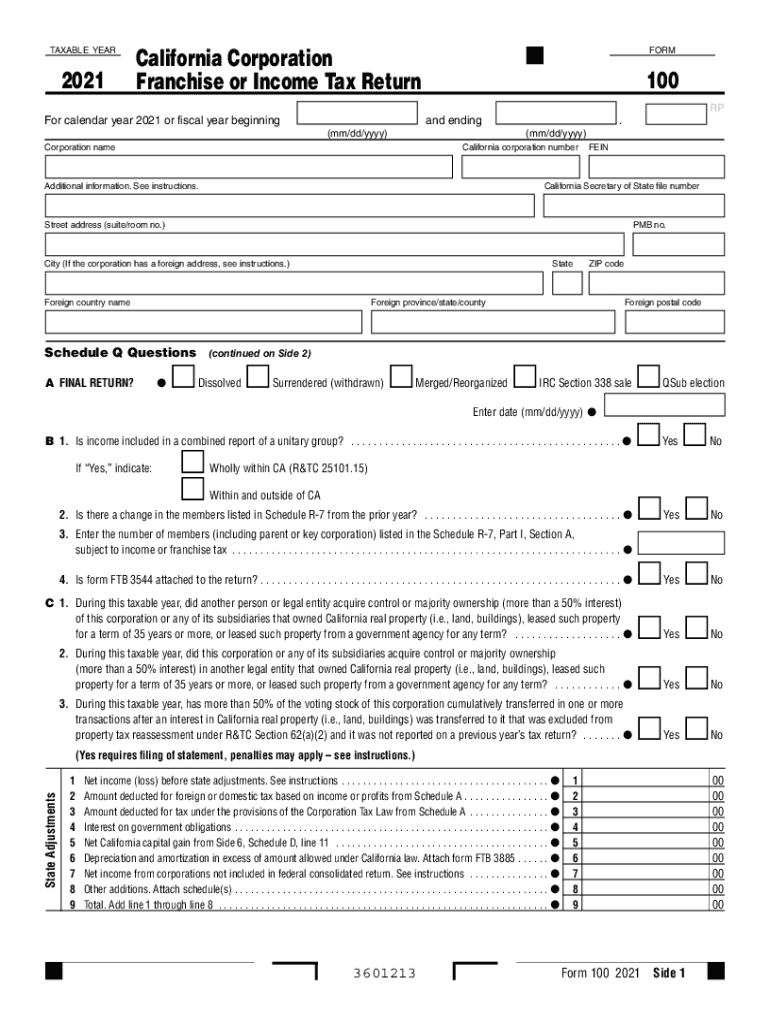
- First-Year Exemption: Newly incorporated or qualified corporations filing their initial return are generally exempt from the $800 minimum franchise tax for their first taxable year. However, they remain subject to the standard 8.84% corporate tax rate on any net income earned during that first year.
- Short Tax Years: If your corporation had a short tax year of 15 days or less and conducted no business during that window, you may be eligible to avoid the minimum tax for that initial period, provided the proper election and notifications are made.
- Inactive Entities: Simply ceasing operations does not end your $800 annual liability. You must formally dissolve the entity through the California Secretary of State (SOS) to stop the accrual of annual minimum taxes.
Filing Deadlines, Extensions, and Underpayment Traps
Managing the timing of your Form 100 submission requires a clear distinction between the time to file and the time to pay.
Due Dates
For calendar-year C-corporations, Form 100 is due on the 15th day of the 4th month following the close of the tax year (typically April 15). For fiscal-year filers, the return is due on the 15th day of the 4th month after the fiscal year ends.
The Automatic Seven-Month Extension
California provides an automatic seven-month extension to file Form 100 (moving a calendar-year deadline to November 15). Unlike federal extensions, no paper form is required to request this extension if you are fully paid. However, this is an extension to file, not an extension to pay.
If you anticipate owing corporate tax beyond the minimum franchise tax, you must submit your estimated balance using FTB Form 3539 (Payment for Automatic Extension for Corporations and Exempt Organizations) by the original due date. Failure to pay 100% of the tax due by the original April deadline results in late-payment penalties and compounding interest from day one.
Mandatory E-File and Electronic Payment Rules
California strictly enforces electronic submission requirements for entities meeting specific financial thresholds. You must submit your return and payments electronically if your corporation:
- Prepares a return using tax preparation software;
- Makes an estimated tax or extension payment exceeding $20,000; or
- Has a total tax liability exceeding $80,000 in any given tax year.
Once you cross either monetary threshold, all subsequent payments—regardless of amount—must be remitted electronically via the FTB Web Pay portal, Electronic Funds Withdrawal (EFW), or credit card. Paying by paper check after crossing an electronic payment mandate incurs a mandatory 1% penalty on the remitted amount.
Pre-Filing Checklist for California Form 100
Before transmitting your corporate return to the FTB, run through this final operational checklist:
- Reconcile State vs. Federal Depreciation: Ensure California depreciation adjustments (Form FTB 3885) reflect California's non-conformity to federal bonus depreciation rules under IRC Section 168(k).
- Verify Schedule R Apportionment: Double-check that all gross receipts are correctly assigned under market-based sourcing rules.
- Confirm Officer Compensation Schedules: FTB Form 100 requires explicit breakdown of officer compensation on Schedule F; missing entries often delay processing.
- Review Prior-Year Overpayments: If you credited a prior-year overpayment to the current tax year, ensure the FTB ledger matches your internal accounting to prevent erroneous deficiency notices.
Final Thoughts
California's complex tax environment leaves little room for procedural errors. Submitting Form 100 without verifying nexus data, properly allocating market-based sales, and accounting for federal-state book-tax differences invites FTB scrutiny and avoidable penalties. Take the time to verify your figures, review your apportionment schedules, and consult a qualified CPA or corporate tax advisor familiar with California state taxation before you press submit.