Don't Let Accidents Hold You Back Potty Training Chart Inside
Potty training is rarely a smooth, linear journey from diapers directly to underwear. When wet floors, soaked pants, and sudden regressions leave you feeling drained, don't let accidents hold you back potty training chart inside tools and clear routines will help you turn daily friction into steady progress.

Accidents are not proof of failure—they are developmental data. Toddlers are learning to interpret brand-new bodily sensations, coordinate complex muscle groups, and pause exciting play sessions to use the bathroom. With the right visual framework and an emotionally neutral response, you can guide your child through this phase without tears or power struggles.
Why Potty Training Accidents Happen
Before addressing how to fix accidents, it helps to understand why they occur in the first place. Toddlers rarely have accidents out of defiance. In most cases, one of several developmental factors is at work:
- Immature Interoception: Interoception is the internal sense that tells our brains when we are hungry, thirsty, hot, or have a full bladder. In young children, this sensory pathway is still developing. Often, a toddler does not register the feeling of fullness until their bladder is literally overflowing.
- Hyperfocus on Play: Toddlers live entirely in the present moment. Stopping an immersive block tower build or pausing their favorite cartoon requires executive function skills that toddlers simply have not perfected yet.
- Physical Fatigue or Overstimulation: Toward the end of the day, or during major routine shifts (such as starting daycare or traveling), self-regulation drops, leading to an uptick in missed cues.
- Withholding and Constipation: If a child experiences a painful bowel movement or feels anxious about the toilet, they may hold their stool. A full bowel presses directly against the bladder, dramatically reducing bladder capacity and causing frequent urinary accidents.
How to Respond to Accidents: The Neutral Protocol
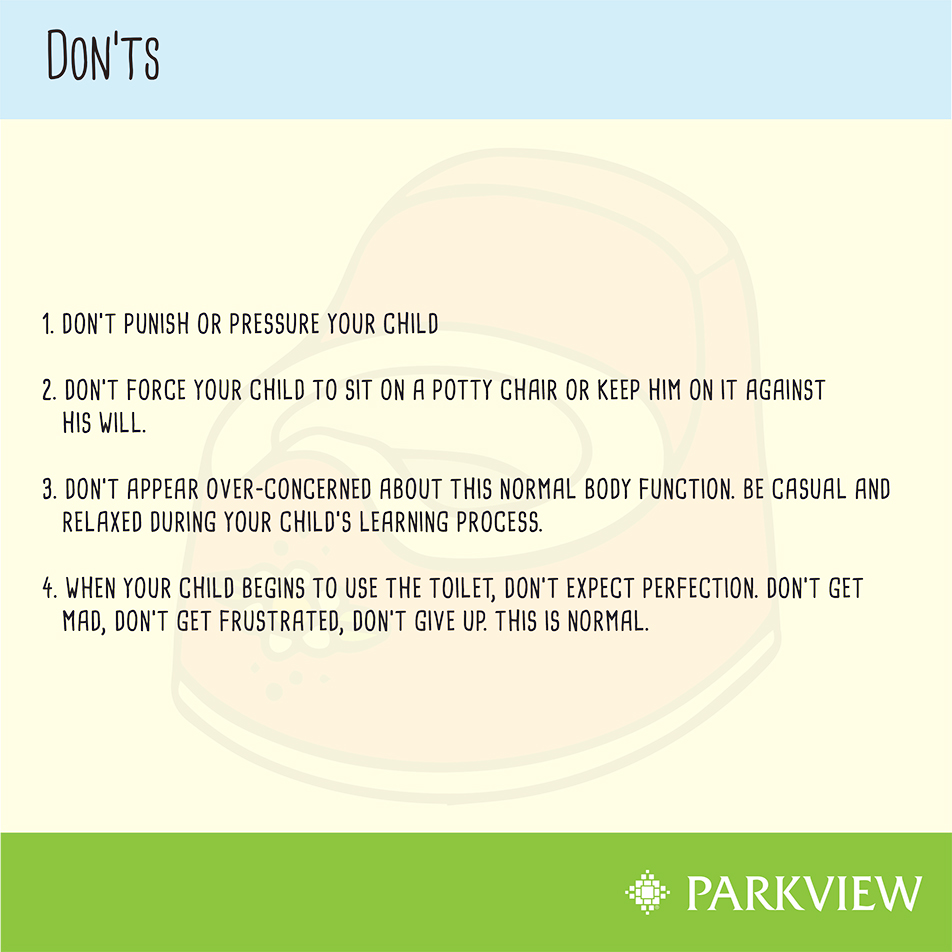
Your emotional reaction during an accident sets the tone for your child's recovery. Shaming, scolding, or visible frustration increases a toddler's cortisol levels. Elevated stress activates the fight-or-flight response, which physically tightens pelvic floor muscles and worsens withholding behaviors.
1. Keep Your Voice and Body Language Neutral
When an accident happens, take a deep breath. Avoid sharp sighs or exasperated gestures. State the facts plainly without judgment: "Your pants are wet. Pee belongs in the potty. Let's go change."
2. Involve Your Child in the Cleanup
This is not a punishment; it is a natural, logical consequence. Hand your toddler a towel to help dab the floor, and have them carry their wet clothes to the hamper. This teaches personal responsibility and demystifies the accident without inducing shame.
3. Finish on the Toilet
Even if their bladder is completely empty, always walk your child to the bathroom to sit on the potty for 30 to 60 seconds. This preserves the associative link between the urge to void and the physical location of the toilet.
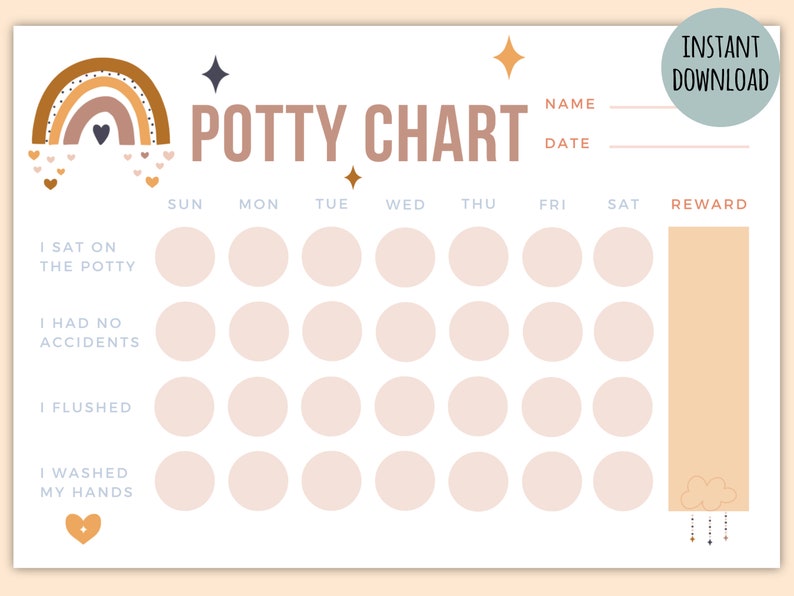
Don't Let Accidents Hold You Back Potty Training Chart Inside
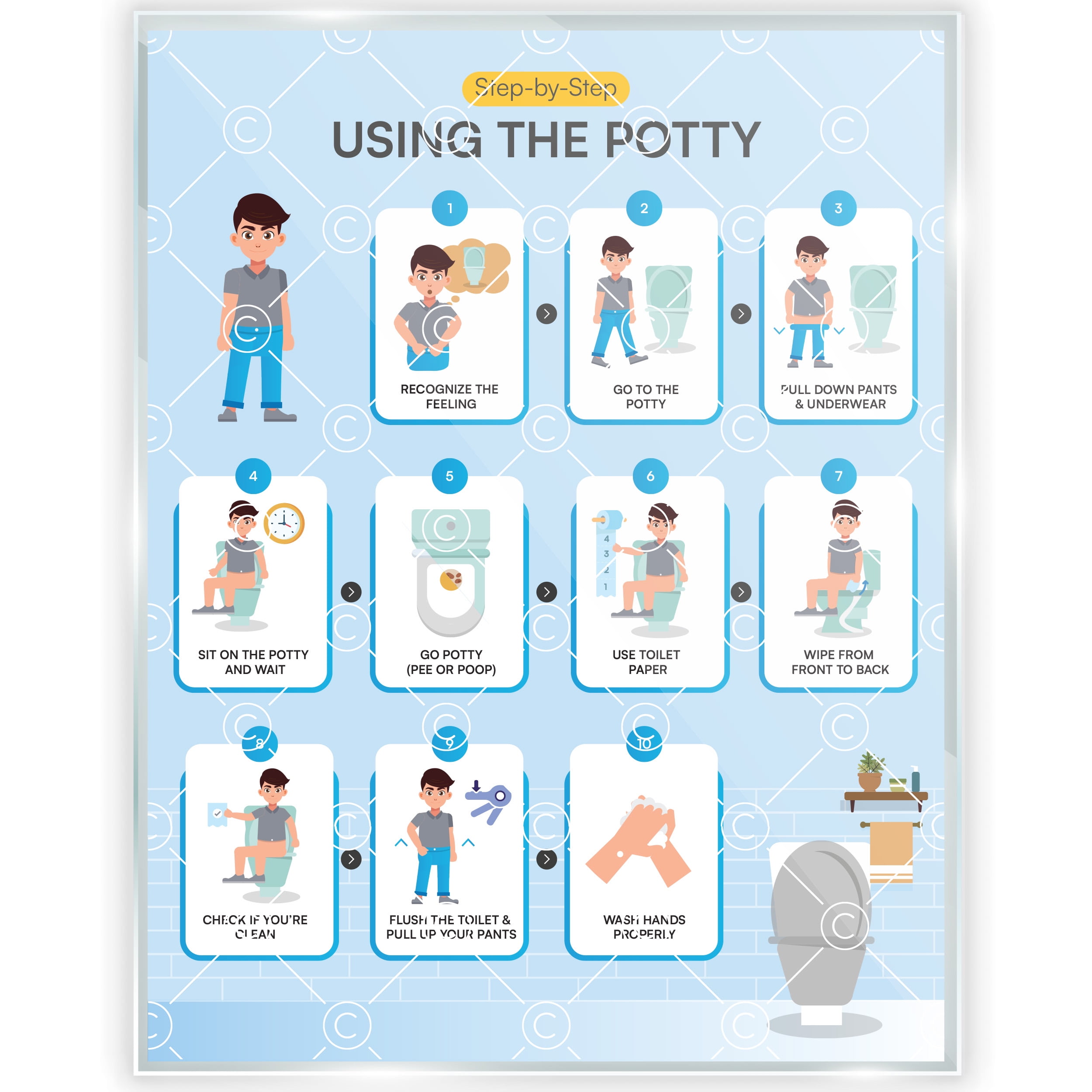
Visual aids are extraordinarily effective for toddler-aged brains. Children between ages two and four cannot yet process abstract verbal expectations like "be good and remember to go." They think in pictures, physical routines, and tangible milestones. A structured potty chart transforms an ambiguous expectation into a clear, engaging daily roadmap.
Here is the proven 5-step daily potty training chart framework you can recreate on paper or a whiteboard at home:
- Morning Wake-Up Sit: Trying immediately after getting out of bed.
- Mid-Morning Potty Check: Sitting before snack or outdoor play.
- Post-Lunch / Pre-Nap Routine: Emptying the bladder before sleep.
- Late Afternoon Session: A scheduled visit when energy and attention dip.
- Bedtime Routine: The final sit before books and lights out.
Effort Over Outcome: The Secret to Chart Success

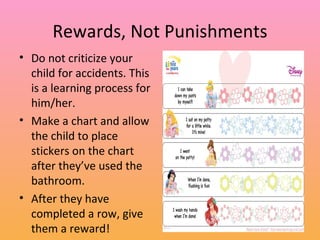
The most common mistake parents make with potty charts is awarding stickers only when urine or bowel movements hit the bowl. When a child tries their best but produces nothing, withholding a sticker creates discouragement and resistance.
Instead, award marks for action and effort:
- 1 Sticker for stopping play and walking to the bathroom when prompted.
- 1 Sticker for sitting calmly for two minutes (use a visual sand timer).
- Bonus Sticker for actually voiding in the toilet.
- 1 Sticker for washing and drying hands independently.
By rewarding participation rather than biological performance, your child feels successful every time they enter the bathroom, rapidly dismantling potty anxiety.
Proactive Habits to Prevent Relapses
While the visual chart builds enthusiasm, your daily environment must support your child's physical readiness. Implement these habits alongside your chart:
Ditch the Question "Do You Need to Go?"
If you ask a playing toddler whether they need to use the toilet, their answer will almost always be "No." They do not want to stop what they are doing. Instead, use non-negotiable transitional statements: "It is time for our potty break before we get out the play dough." Framing it as part of the schedule eliminates the power struggle.
Optimize Wardrobe for Quick Access
Accidents often occur in the ten seconds a child spends struggling with stiff buttons, belts, or tight overalls. During training, dress your toddler in loose-fitting pants with elastic waistbands, or let them practice at home in underwear and t-shirts to ensure swift, independent removal.
Ensure Proper Ergonomics on the Seat
A child who feels like they might fall into the toilet cannot relax their pelvic floor. Ensure you have a securely fitted child seat insert and a sturdy footstool. Your toddler's knees should be bent slightly higher than their hips (a squatting posture) with their feet planted flat. Foot support provides the physical leverage required for comfortable elimination.
When Accidents Signal Something More
Occasional wet pants are part of the process, but certain symptoms warrant a conversation with your pediatrician:
- Pain, crying, or grimacing while urinating.
- Unusually frequent urination (every 10–15 minutes) or excessive thirst.
- Hard, pellet-like stools or going several days without a bowel movement.
- Sudden, continuous daytime wetting after six or more months of complete dryness.
These signs can indicate a urinary tract infection, underlying chronic constipation, or other physiological issues that behavioral charts cannot fix.
Stay Consistent and Trust the Process
Potty training is a major milestone involving nervous system maturity, emotional readiness, and habit formation. Setbacks will happen, especially during illness, growth spurts, or changes in family routine. Treat every accident as neutral information, maintain your visual routine, and keep praise focused on effort. Consistency, calm leadership, and positive visual reinforcement will carry your child across the finish line.