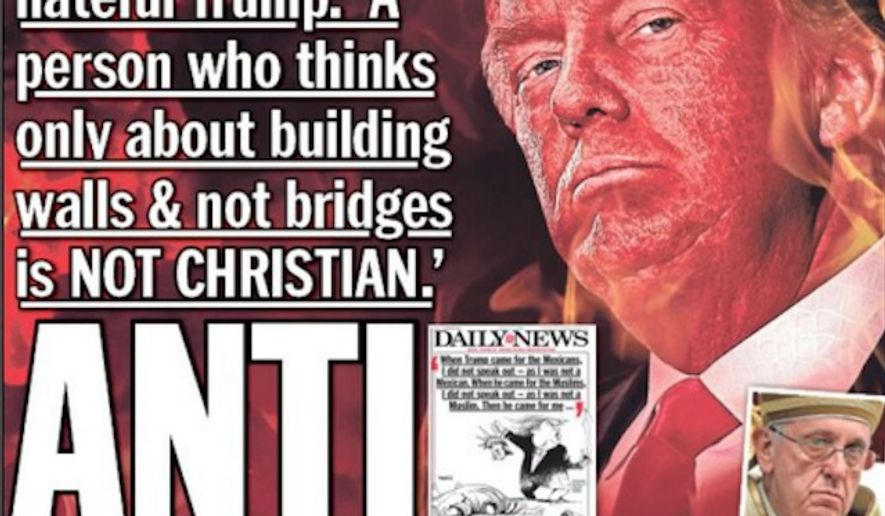
Donald Trump and the Antichrist: The Wild Theories
In the digital age, political discourse often intersects with unexpected cultural phenomena, theology, and internet lore. Among the most persistent and bizarre online discussions is the viral speculation surrounding Donald Trump and the Antichrist? (It's WILD!)—a topic that has captured the imagination of conspiracy theorists, internet sleuths, and theologians alike.
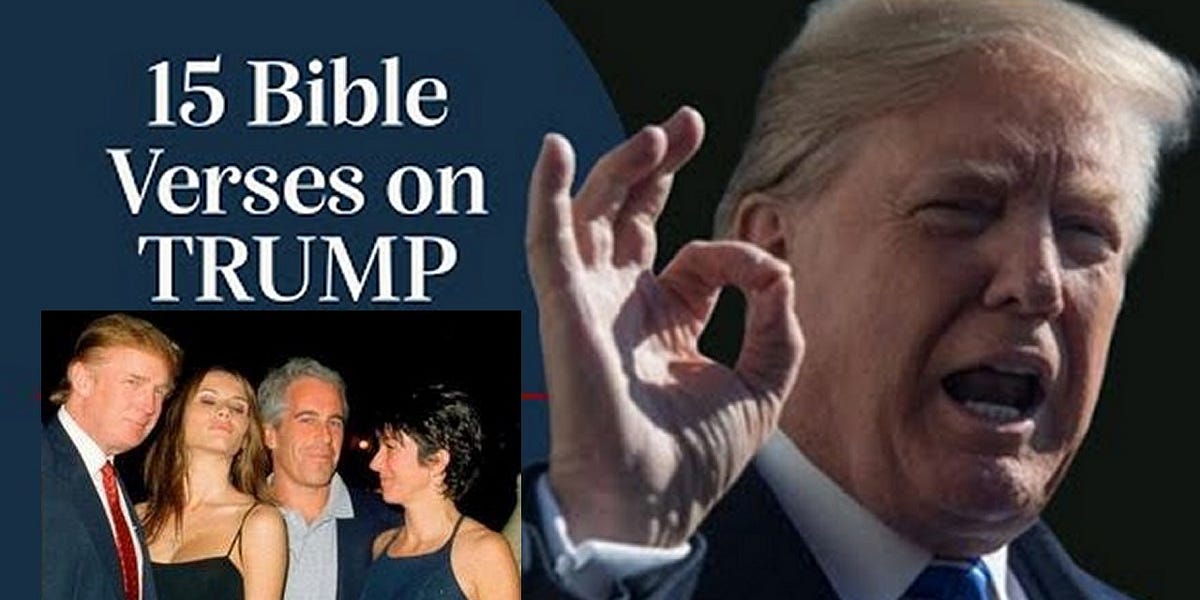
While mainstream political debates focus on policy, economy, and governance, a distinct subculture online has spent years combing through scripture, historical coincidences, and media appearances to draw parallels between the 45th and 47th U.S. President and biblical prophecies. Whether viewed as satire, serious theological warning, or pure internet folklore, the phenomenon offers a fascinating look at how apocalyptic imagery merges with modern American politics.
The Origins of End-Times Speculation in US Politics
Attributing end-times prophecies to sitting presidents or major political figures is not a new invention of the internet era. Throughout American history, partisan opponents and fringe religious commentators have frequently mapped the Book of Revelation or the Book of Daniel onto contemporary leaders.
During the Cold War, figures like John F. Kennedy and Ronald Reagan faced similar pseudotheological scrutiny from critics who misconstrued their initials, birthdates, or political rises. However, the discourse surrounding Donald Trump took on a unique flavor due to his background as a billionaire media personality, real estate mogul, and populist politician whose brand sharply polarizes the public.
Why Do People Make These Comparisons?
Prophetic speculation usually relies on pattern recognition, numerology, and loose historical analogies. In the case of viral theories connecting Donald Trump and the Antichrist, commentators typically point to several recurring tropes:
- Massive Populist Appeal: Proponents of the theory often cite the immense, almost fanatical devotion Trump inspires among his base, comparing it to biblical warnings of a charismatic leader who deceives many.
- Recovery from Adversity: Dramatic events, such as surviving the July 2024 assassination attempt in Butler, Pennsylvania, have frequently been twisted by online commentators into dark, apocalyptic parables about a "deadly wound that was healed," referencing imagery directly from Revelation 13.
- Real Estate and Global Deals: His background in international real estate development and his administration's brokering of Middle East diplomatic agreements (such as the Abraham Accords) have been reframed by critics as fulfilling end-times geopolitical criteria.
Decoding the Viral Internet Lore

Much of the momentum behind these theories lives on platforms like TikTok, X (formerly Twitter), and YouTube, where algorithmic sorting rewards sensationalism and provocative content. Users compile video montages, compare quotes, and analyze architectural details of properties like Trump Tower to build elaborate narrative webs.
For instance, internet sleuths have obsessively analyzed the golden aesthetics of Trump's penthouse, matching them to vague biblical descriptions of wealth and pride. Others have pointed out coincidental numerical values in dates, addresses, and voting statistics, manipulating data to fit predetermined apocalyptic narratives.
The Danger of Mixing Politics and Eschatology
Theological scholars and mainstream religious leaders—including many evangelical Christians who fiercely support Trump politically—frequently push back against these viral narratives. Mainstream biblical interpretation emphasizes that scriptural prophecies about the Antichrist are complex, symbolic, and deeply tied to the historical context of the first-century Roman Empire, rather than serving as a predictive crystal ball for modern American elections.
Furthermore, weaponizing sacred texts for partisan attacks devalues religious belief and deepens societal polarization. When political disagreements are framed as a cosmic battle between absolute good and absolute demonic evil, compromise becomes impossible, and civil discourse breaks down entirely.
Conclusion: A Reflection of Cultural Anxieties
Ultimately, the viral fascination with Donald Trump and end-times figures says far more about the psychology of the modern public than it does about any actual theology. Periods of rapid technological change, economic uncertainty, and intense political division naturally breed apocalyptic thinking.
Whether viewed as harmless internet myth-making or a symptom of deep-seated cultural anxiety, these wild theories highlight humanity's enduring impulse to find cosmic meaning in the chaotic landscape of modern politics.