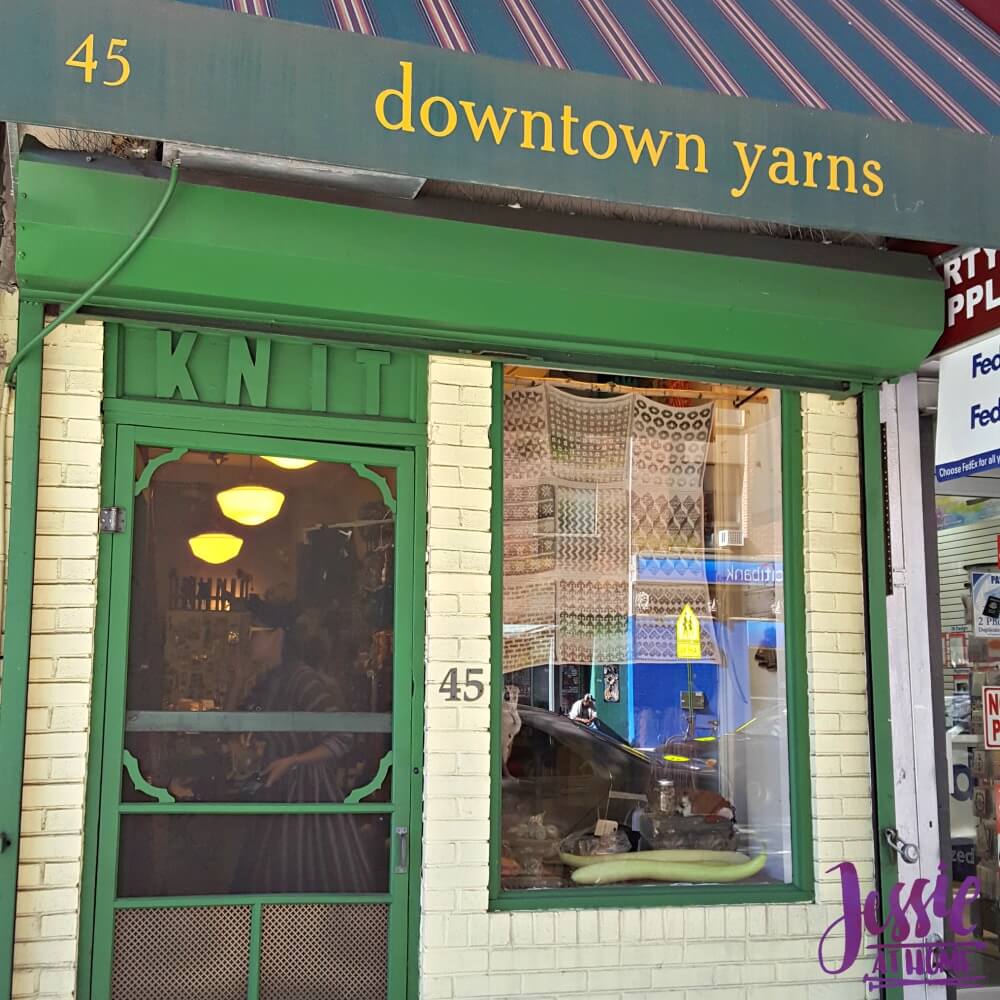
Downtown Yarns: Legacy & the Urban Fiber Community
For more than twenty years, Downtown Yarns stood as a warm, creaky-floored sanctuary amidst the bustling energy of New York City’s East Village. Founded in 2001 on Avenue A by Rita Bobry, the shop was far more than a retail outlet for skeins of wool; it served as a living room for neighborhood makers, an incubator for emerging designers, and a masterclass in independent craft curation. While its physical doors closed in early 2023, the philosophy championed by Downtown Yarns continues to shape how modern fiber enthusiasts view the connection between community, craftsmanship, and local commerce.

In an age dominated by instantaneous online ordering and mass-produced acrylic blends, the independent local yarn shop (LYS) holds an increasingly vital role. Understanding what made Downtown Yarns so beloved provides a blueprint for what thoughtful makers should seek out in their own downtown districts and neighborhood fiber hubs today.
The Lasting Influence of Downtown Yarns
When Downtown Yarns opened its doors at the dawn of the 21st century, the fiber arts were undergoing a quiet revolution. Knitting was shedding its outdated stereotype as a pastime solely for grandmothers, transforming into an intentional, meditative, and expressive medium for younger, diverse city dwellers. Downtown Yarns met this cultural moment with an atmosphere that felt effortless, eclectic, and deeply welcoming.
Unlike sterile big-box craft chains stacked high with synthetic fibers, the East Village shop offered an intentionally curated sensory landscape:
- Natural, tactile materials: The shelves were stocked with rustic wools, crisp linens, delicate mohairs, and hand-dyed indie skeins that celebrated natural textures and heritage mills.
- A communal centerpiece: At the center of the shop sat an antique wooden table where visitors could pull up a chair, untangle a skein, seek help with a dropped stitch, or simply chat for an hour between subway rides.
- Artful visual inspiration: Swatches, finished garments, whimsical knitted taxidermy, and seasonal displays offered concrete proof of what two needles and a single strand of fiber could achieve.
When the shop closed its physical location, the outpouring of memories from knitters worldwide made one thing clear: crafters were not merely mourning the loss of a store, but the loss of a sanctuary.
Why Urban Fiber Hubs Function as "Third Places"
Sociologist Ray Oldenburg coined the term "third place" to describe the social environments separate from the two primary environments of home ("first place") and work ("second place"). Downtown yarn shops are quintessential third places. They provide neutral ground where social status, professional background, and age dissolve across a shared craft.
In a densely populated downtown core, where living quarters are often compact and urban life can feel isolating, physical creative spaces provide essential human connection. Sitting around a table with a knitting project introduces a deliberate pace to life. You cannot hurry a hand-knit sweater; it demands presence, patience, and repetition. Downtown yarn shops anchor that slow ethos right in the middle of fast-moving neighborhoods.
The Practical Value of the Brick-and-Mortar Yarn Shop
While digital yarn retailers offer sheer volume, they cannot replicate the tangible realities of fiber selection. Color representation on a backlit screen is notoriously unpredictable, and no monitor can convey the "hand" of a yarn—the springiness of non-superwash Merino, the crisp drape of wet-spun linen, or the prickle factor of Shetland fleece.
A brick-and-mortar downtown yarn shop solves practical knitting challenges through experiential learning:

- Gauge and drape evaluation: Seeing knit samples helps crafters understand how a yarn behaves when worked on different needle sizes.
- Colorwork curation: Pairing colors for complex Fair Isle or brioche patterns requires holding skeins side by side under natural light.
- Troubleshooting expertise: Experienced shop staff can diagnose why an armhole puckers, interpret a dense vintage pattern, or suggest the precise yardage needed for an ambitious modification.
How to Identify a Quality Downtown Yarn Shop
Whether you are seeking a new creative haven in your own city or scouting craft stops while traveling, the qualities that defined Downtown Yarns can help guide your search. A truly exceptional local yarn shop generally exhibits several key characteristics.
1. Curated, Ethical Fiber Selection
Look for shops that prioritize mills, small dye studios, and sustainable producers. Outstanding shops tend to stock a balanced portfolio: dependable workhorse wools for sweaters, breed-specific yarns (such as Bluefaced Leicester or Targhee) for heirloom projects, and plant-based fibers like organic cotton and hemp for warm-weather knitting.
2. Focus on Education and Skill-Building
A thriving yarn shop does not merely sell materials; it cultivates talent. The best spaces offer a comprehensive calendar of classes that cater to every skill level—from absolute beginners casting on their first garter-stitch scarf to advanced knitters mastering steeking, Japanese lace, or bottom-up sweater construction.
3. An Inclusive, Generous Community Culture
The hallmark of a great neighborhood yarn boutique is its atmosphere. Staff members should greet novice crafters with the same enthusiasm and technical respect they offer seasoned knitters. If a shop encourages people to sit, browse books, and ask questions without aggressive sales pressure, you have found a worthwhile creative home.
Keeping Neighborhood Fiber Culture Alive
The closure of independent yarn shops in major metropolitan centers highlights the financial realities of rising commercial rents, shifting digital retail trends, and supply chain fluctuations. For fiber enthusiasts who value physical community spaces, sustaining local shops requires deliberate support.
Consider these practical ways to invest in your local downtown craft ecosystem:
- Purchase your sweater quantities locally: While picking up single notions is helpful, dedicating major project purchases to independent shops keeps their balance sheets healthy.
- Attend shop-hosted events: Participate in open-knit nights, designer trunk shows, and charity stitch-ins to keep the social fabric of the shop active.
- Advocate on social platforms: Share photos of your finished projects, tag the local shop where you purchased your materials, and write reviews to introduce newer knitters to neighborhood gems.
The spirit of Downtown Yarns lives on wherever fiber artists gather to share tools, untangle knots, and build community stitch by stitch. By cherishing and supporting independent neighborhood shops today, we ensure that the tactile art of fiber craft remains a permanent, vibrant fixture of our city streets.