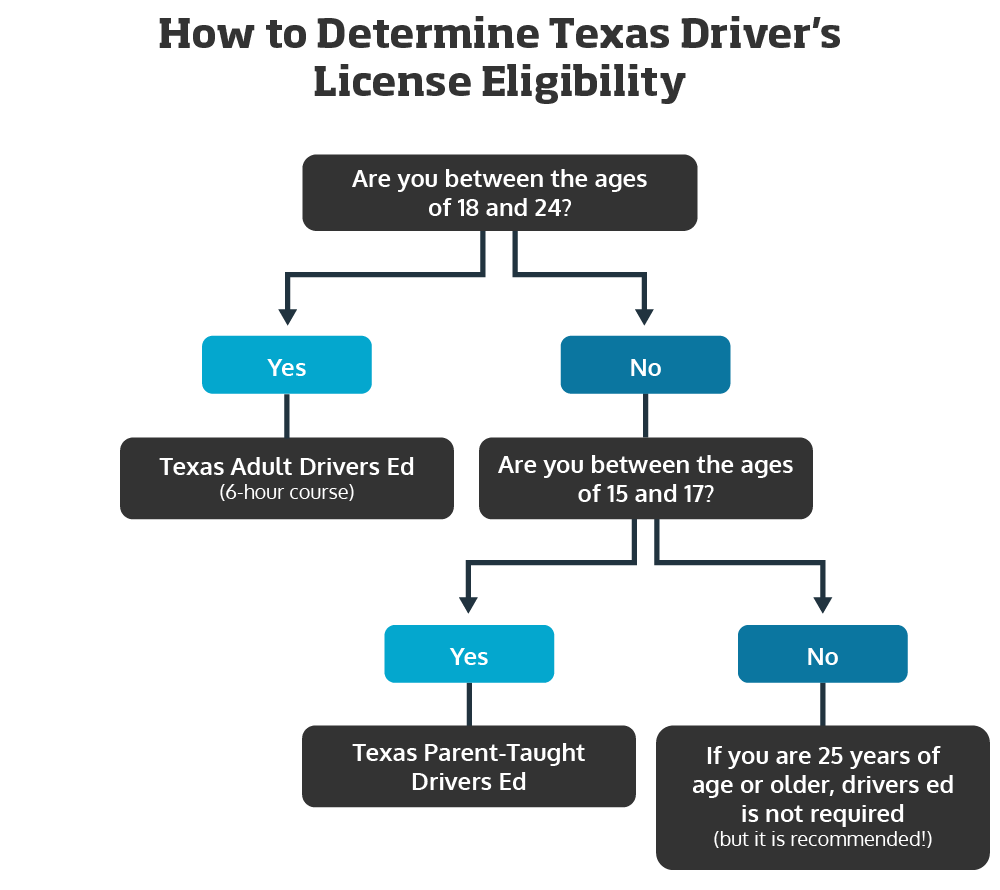
DPS DL Eligibility: Complete Guide to Driving License Rules
Securing a driving license is a major milestone, but before you head to your local Department of Public Safety office, understanding DPS DL eligibility is essential. Rules, age limits, and documentation requirements vary depending on your age and the class of license you are applying for. Meeting these criteria beforehand prevents wasted trips and ensures a smooth licensing process.

Understanding DPS DL Eligibility Requirements
Driving laws exist to promote safety on public roads, meaning applicants must clear specific legal, physical, and administrative hurdles. Whether you are a teenager applying for your very first learner permit or an adult transferring an out-of-state license, the foundational eligibility rules set by the DPS apply across the board.
To successfully obtain a driver license (DL), applicants generally must:
- Meet the minimum age requirement for the specific license tier.
- Provide proof of identity, legal presence, and residency.
- Pass the required knowledge and driving skills tests (unless exempt).
- Meet physical and mental fitness standards for safe driving.
- Clear any outstanding license suspensions, revocations, or unpaid traffic warrants.
Age-Based Eligibility Tiers
The path to a full, unrestricted driver license depends heavily on how old you are when you begin the process. Most jurisdictions use a Graduated Driver Licensing (GDL) program for younger drivers.
Teen Drivers (Ages 14 to 17)
If you are a minor, you cannot simply walk in and take a road test. The GDL program requires patience and supervision:
- Learner Permit (Instruction Permit): Typically available starting at age 15 (sometimes 14 for specialized hardship permits). Applicants must be enrolled in or have completed an approved driver education course and pass a written knowledge test.
- Provisional License: Generally available at age 16 after holding a learner permit for the mandatory waiting period (usually six months), completing behind-the-wheel instruction hours, and passing the driving skills test. This tier comes with passenger and nighttime driving restrictions.
Adult Drivers (Ages 18 and Older)
Adults face a more streamlined path, though safety requirements remain strict:
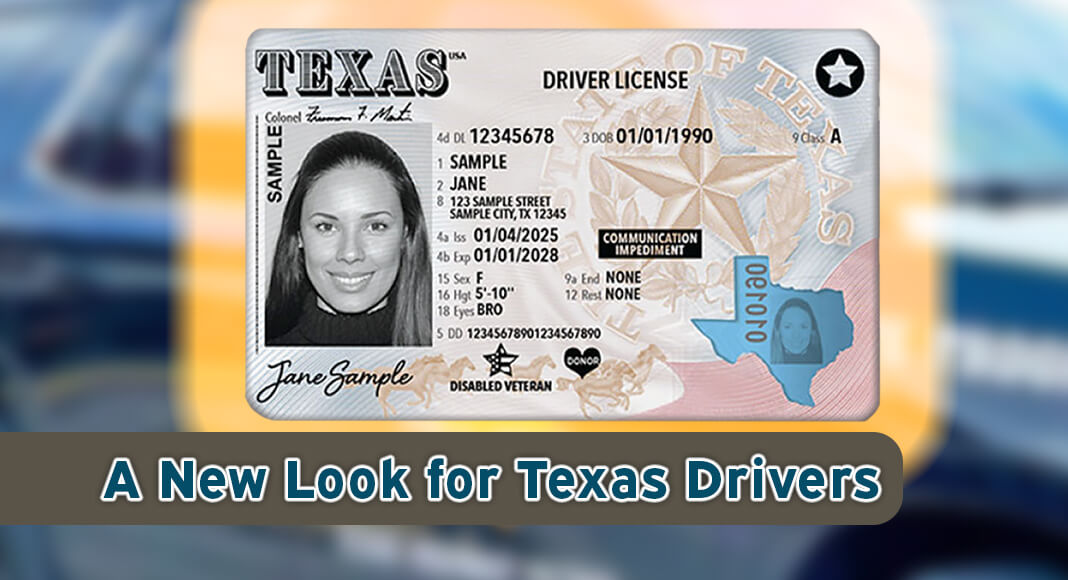
- Applicants aged 18 to 24 who have never been licensed usually must complete a specialized six-hour adult driver education course before taking the driving test.
- Applicants aged 25 and older are not legally mandated to take driver education, though taking a course is highly recommended to prepare for the written and practical examinations.
- Adults may skip the instructional permit phase if they feel confident, but many choose to practice with a licensed adult driver before scheduling their road test.
Required Documentation for Your Application
Even if you meet the age and testing criteria, you will be turned away at the DPS counter if your paperwork is incomplete. Bring original copies or certified versions of the following documents:
- Proof of Identity: A valid U.S. passport, certified birth certificate, or permanent resident card.
- Social Security Number (SSN): Your actual Social Security card, a W-2 form, or a pay stub showing your full SSN.
- Proof of Residency: At least two documents showing your current residential address (such as utility bills, lease agreements, or mortgage statements). If you are a minor, your parents' proof of residency usually suffices.
- Driver Education Certificates: Completion certificates from approved classroom and behind-the-wheel training courses (mandatory for minors and young adults).
Medical and Physical Qualifications
Driving requires adequate vision, motor skills, and cognitive function. As part of the DPS DL eligibility evaluation, every applicant must undergo a basic vision screening at the counter. If you wear glasses or contact lenses to pass the eye exam, your license will carry a corrective lenses restriction.
Additionally, individuals with certain medical conditions—such as epilepsy, severe cardiovascular issues, or uncontrolled blackouts—may be required to submit a medical evaluation form signed by their physician before the DPS will issue or renew a license.
Common Reasons for DL Ineligibility
Sometimes applicants are legally barred from getting a license due to administrative holds or legal infractions. Common roadblocks include:
- Active Suspensions: An open suspension from another state under the Problem Driver Pointer System (PDPS).
- Unpaid Fines: Failure to appear in court or unpaid traffic tickets can place a block on your license renewal or application.
- Truancy Issues: For minor applicants, school attendance records are heavily monitored. Excessive unexcused absences can result in the denial or revocation of a provisional license or permit.
Next Steps to Get Started
Reviewing your status against these guidelines ensures you are fully prepared. Check your local DPS website to confirm specific fee amounts, schedule appointments online, and double-check that your documentation is up to date. Taking time to prepare makes your trip to the licensing office quick and successful.