Dr Claud Andersons Emergency Preparedness Tips
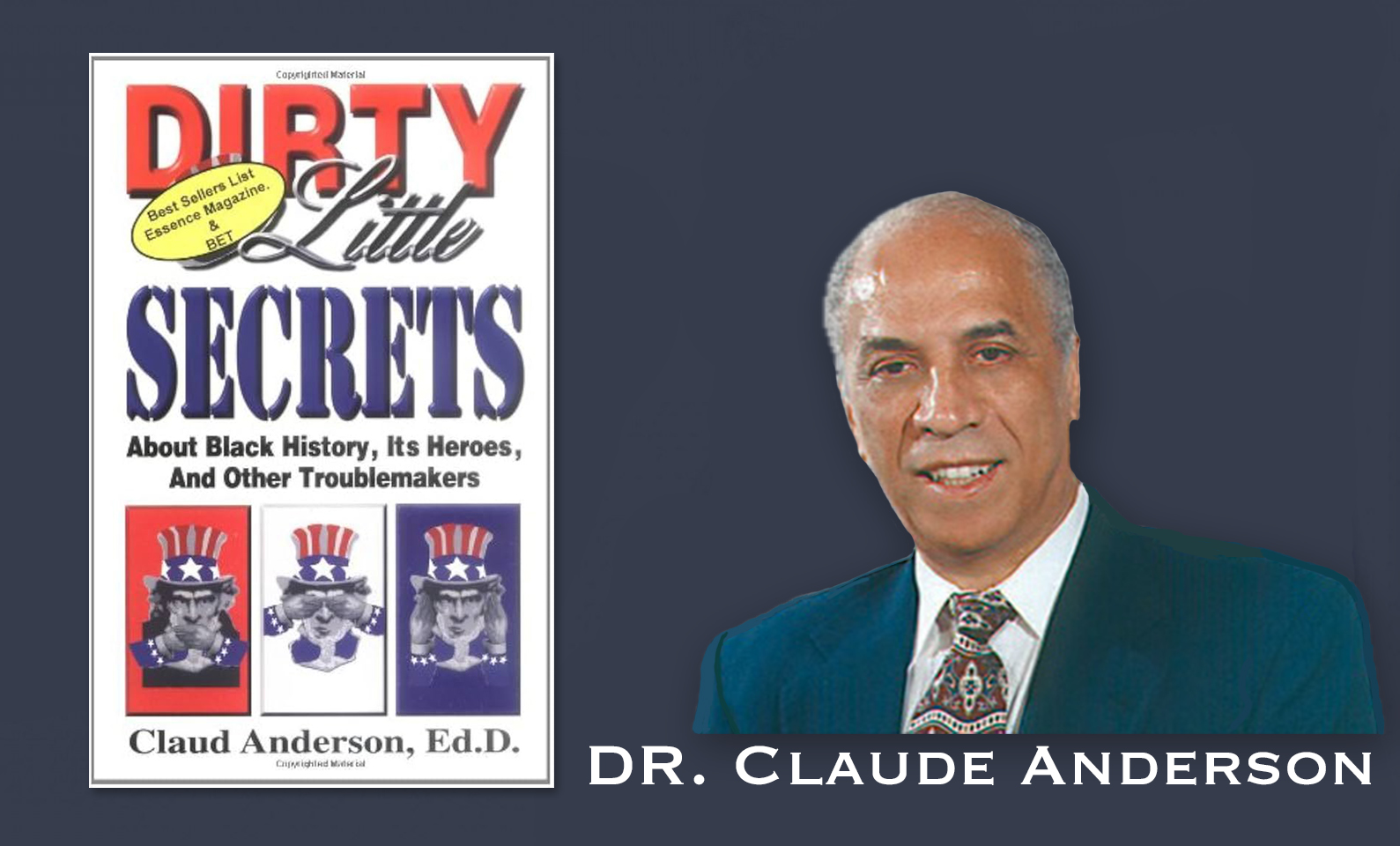
When modern supply chains break down, financial systems freeze, or civic instability strikes, those without self-contained resources suffer first and hardest. For decades, political strategist, author, and economist Dr. Claud Anderson has warned marginalized communities about the precarious nature of relying entirely on external systems for everyday survival. Studying Dr Claud Andersons emergency preparedness tips reveals a holistic approach to survival that connects material readiness—food, water, and defense—with deep economic autonomy and community cohesion.

Known best for his seminal book PowerNomics: The National Plan to Empower Black America, Dr. Anderson approaches crisis management not merely as a hobby for individual preppers, but as an existential necessity. His framework teaches that true survival requires decoupling from fragile supply chains and building intentional, self-sufficient infrastructure before disaster strikes.
The PowerNomics Approach to Crisis: Why Self-Reliance Matters
Most mainstream survival guides assume that societal infrastructure will return to normal after a brief interruption. Dr. Anderson’s historical analysis offers a starkly different baseline: during systemic collapses, governmental support is often distributed unevenly, leaving self-dependent communities as the only ones guaranteed to endure.
Preparedness, through this lens, is an extension of political and economic power. If a household relies on third-party corporations for water, electricity, food, and security, it remains perpetually vulnerable to leverage, shortages, or sudden shocks. Establishing independence across basic human needs forms the cornerstone of lasting freedom.
1. Food and Water Sovereignty
The modern grocery delivery model operates on a "just-in-time" logistics schedule, meaning stores generally hold no more than a 72-hour food supply. In any prolonged disruption, store shelves clear out within hours. Dr. Anderson consistently advises families to establish immediate, scalable food sovereignty.
Long-Term Food Storage
- Bulk Dry Goods: Prioritize long-shelf-life staples that require minimal climate control, including white rice, dried beans, rolled oats, and freeze-dried proteins. Store these items in food-grade buckets sealed with mylar bags and oxygen absorbers.
- Caloric Density: Do not just store bulk weight; calculate actual caloric needs. A family of four requires roughly 8,000 calories per day to maintain baseline health and work capacity during a high-stress scenario.
- Independent Production: Indoor microgreens, container gardens, and backyard farming provide continuous micro-nutrients when preserved goods run low. Dr. Anderson emphasizes the importance of heirloom seeds that can be harvested and replanted year after year.
Securing Potable Water
Water infrastructure is fragile. A temporary grid failure disables municipal water pumps, and contamination can happen instantly. Maintain at least one gallon of potable water per person per day for a minimum of 30 days. Beyond stored containers, acquire gravity-fed ceramic water filters, personal purification tablets, and rain-catchment systems to renew your supply indefinitely.
2. Financial Liquidity and Tangible Assets
In his lectures on economic empowerment, Dr. Anderson notes that digital banking creates an illusion of wealth. During a crisis, electronic fund transfers can halt, ATMs can go dark, and banks can declare holidays or restrict withdrawals.
To insulate your household from financial bottlenecks, consider the following economic safeguards:
- Emergency Cash Reserves: Keep physical cash at home in small denominations ($1, $5, $10, and $20 bills). In an emergency, businesses and individuals without power cannot make change for $100 bills, or they may refuse electronic payments altogether.
- Precious Metals as Barter: Fractional silver coins (such as pre-1965 90% silver "junk silver" quarters and dimes) serve as universally recognized stores of value when fiat currencies experience rapid devaluation.
- Practical Barter Commodities: Store excess essential consumables that retain undeniable practical value during disruptions, such as medical alcohol, lighters, batteries, salt, over-the-counter antibiotics, and manual tools.
Dr Claud Andersons Emergency Preparedness Tips for Communities
Video: Emergency Preparedness
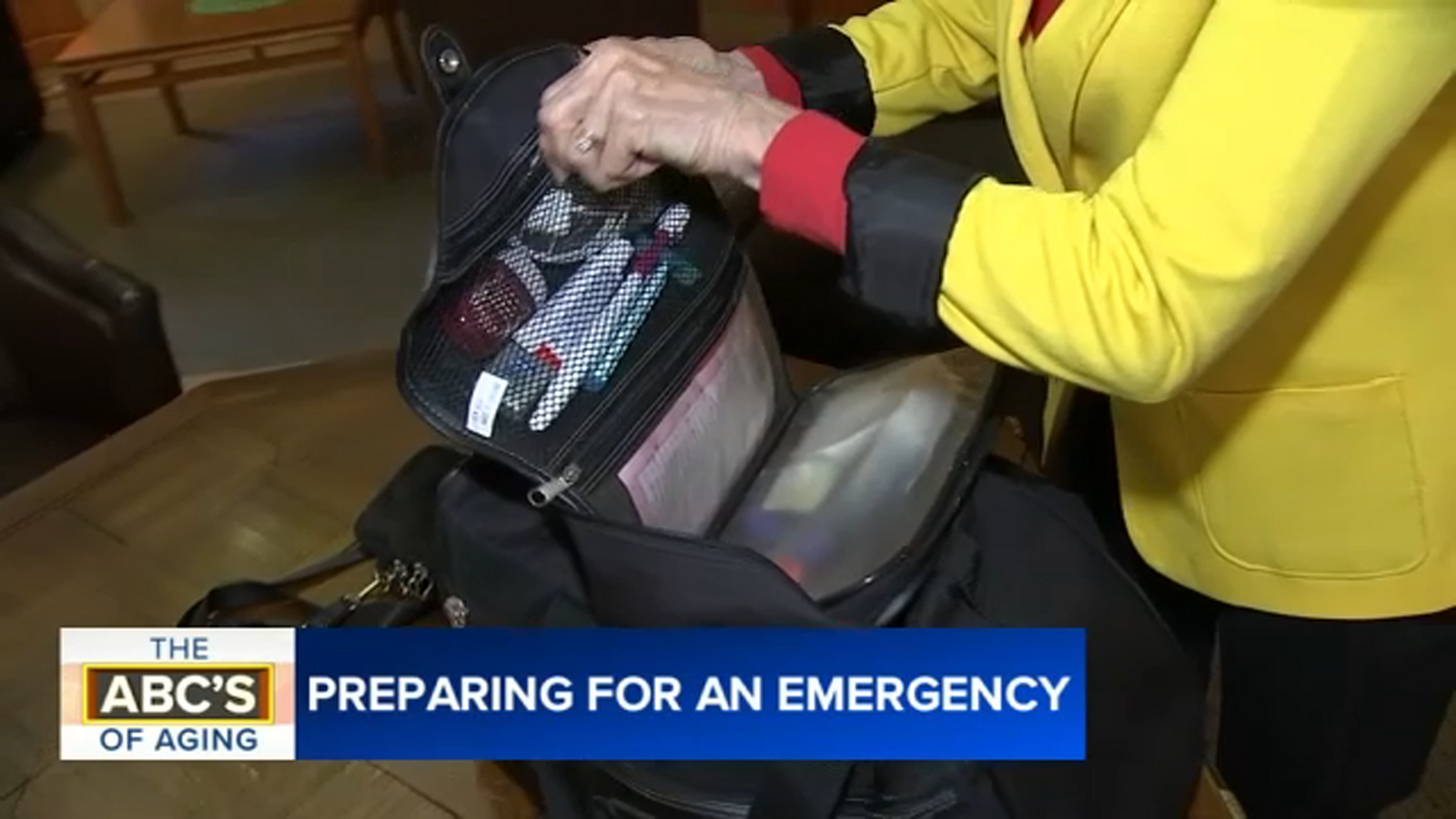
One of the clearest distinctions in Dr. Anderson’s ideology is his rejection of lone-wolf survivalism. An individual surrounded by an unprepared neighborhood is not secure; they are merely a target. Implementing Dr Claud Andersons emergency preparedness tips requires taking action at the collective, block-by-block level.
Establishing Mutual Aid and Supply Hubs
Within the PowerNomics framework, communities must pool capital and labor. Prior to any emergency, neighborhood leaders should map existing local assets. Determine who possesses specific vocational and emergency skills:
- Medical Professionals: Nurses, EMTs, and herbalists who can triage injuries without hospital access.
- Mechanical Experts: Carpenters, mechanics, and electricians who understand water sanitation, backup generator repairs, and structural reinforcement.
- Security and Logistics Personnel: Individuals trained in tactical communication, watch rotations, and resource distribution.
By organizing into functional syndicates, communities can purchase grain, solar generators, and radio gear in bulk at wholesale rates, simultaneously strengthening both their local economy and their disaster readiness.
3. Home Defense, Personal Security, and Legal Protection
Dr. Anderson has repeatedly highlighted the historical necessity of self-defense. In prolonged civic disruptions, emergency services are typically unavailable, delayed, or focused exclusively on protecting critical municipal infrastructure.
Home defense should be approached systematically:
- Perimeter Hardening: Reinforce entry points before relying on active defense. Replace standard 1/2-inch strike-plate screws on exterior doors with 3-inch hardened steel screws that bite directly into the wall studs. Install shatter-resistant security film on ground-level windows.
- Firearms Proficiency and Legality: Acquire reliable defensive tools within the bounds of local laws. Regular, practical range training, defensive movement classes, and safe storage practices are mandatory. A firearm without training is a liability rather than a defense asset.
- Situational Awareness: Develop an everyday security mindset. Recognize irregular traffic in your neighborhood, establish early warning alarms (such as solar motion sensors), and keep outdoor perimeters well-illuminated using off-grid solar floodlights.
4. Decentralized Energy and Communications
When telecommunication towers fail and power lines drop, panic quickly follows due to a lack of accurate information. Anderson’s framework promotes total off-grid self-sufficiency to ensure you remain informed and functional.
Invest in portable solar generators (lithium iron phosphate / LiFePO4 batteries) paired with foldable solar panels. These systems operate quietly—unlike noisy gas generators that advertise your location and require volatile fuel supplies—and can run medical equipment, recharge flashlights, and power small refrigeration units for medicine.
For communication, prepare redundant systems:
- Emergency Crank Radios: To receive NOAA weather alerts, civil defense broadcasts, and AM/FM news updates.
- Two-Way Radios: GMRS or HAM radios programmed to local repeaters, enabling direct communication between family members and community defense watches when cellular networks fail.
- Analog Information Archives: Maintain physical, printed copies of critical documents: medical records, property deeds, identification, local paper maps, and field manuals on first aid and water filtration.
Actionable Steps to Begin Today
Transitioning from a conventional, consumer-dependent lifestyle to an operationally resilient household does not happen overnight. Begin by auditing your current vulnerabilities across four vital categories: Food/Water, Finance, Physical Security, and Community Alliances.
Start small by establishing a two-week buffer of water and shelf-stable foods. Simultaneously, organize your primary circle of trust—family, close neighbors, and trusted colleagues—to align expectations and combine capabilities. As Dr. Claud Anderson has consistently advocated throughout his career, true security is never given by external institutions; it is systematically built through discipline, ownership, and cooperative preparation.