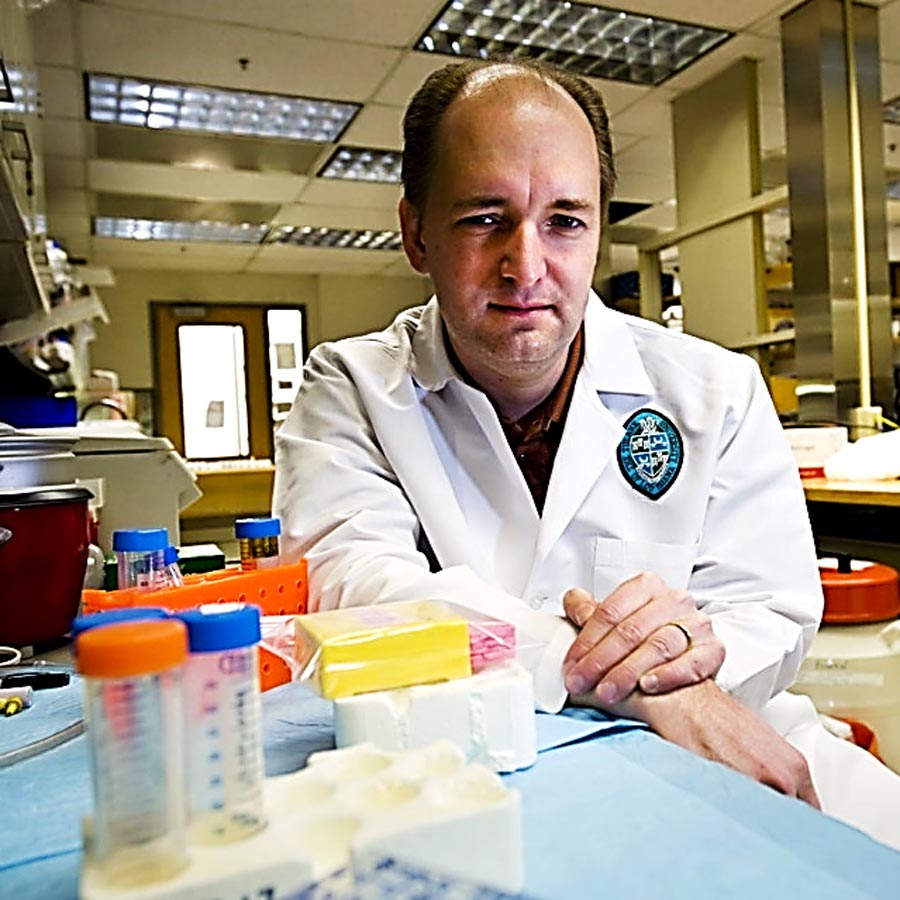
Dr. Turner Kufe's Impact on Cancer Research
The landscape of modern oncology is defined by a shift away from broad-spectrum treatments toward precision medicine. At the heart of this evolution are visionary clinician-scientists whose laboratory discoveries translate directly into life-saving clinical interventions. Among the figures frequently cited by leading academic medical centers is Dr. Turner Kufe, whose extensive body of work has fundamentally altered our understanding of cancer biology. To truly gauge his contribution, it is vital to examine what top oncologists are saying about Dr. Turner Kufe's impact on cancer research, particularly regarding mucin biology, intracellular signaling, and targeted therapeutics.

Pioneering Work in Mucin Biology and MUC1
For decades, one of the most significant challenges in oncology was identifying unique targets on cancer cells that could be exploited without harming healthy tissues. Dr. Kufe's laboratory tackled this challenge head-on by focusing on the MUC1 mucin-type glycoprotein. While initially viewed simply as a structural component of cell surfaces, his research revealed that MUC1 functions as an aberrant oncogenic driver in a wide array of human carcinomas, including breast, lung, and pancreatic cancers.
Top oncologists often point to his discovery of MUC1's intracellular domain and its ability to translocate to the nucleus as a paradigm-shifting moment. This finding demonstrated that a surface molecule could directly regulate gene transcription and stress responses in cancer cells. By mapping these complex signaling pathways, Dr. Kufe provided the foundational framework for developing novel targeted therapies designed to block these oncogenic interactions.
Translational Impact: From Bench to Bedside
Translational research—the process of turning laboratory discoveries into clinical treatments—is notoriously difficult. However, Dr. Kufe's career is frequently cited by peers as a gold standard in bridging this gap. His investigative efforts have not only generated vast amounts of peer-reviewed literature but have also directly inspired clinical trials involving novel monoclonal antibodies, peptide inhibitors, and vaccine strategies targeting MUC1.
Key Contributions to Clinical Oncology
Video: ESMO 2025 Lung Cancer Update: Dr. George Oblitas Alca's Top Takeaways

- Targeted Inhibitors: Developing peptide-based strategies that disrupt MUC1 oligomerization and nuclear translocation in cancer cells.
- Immunotherapy Platforms: Designing vaccine approaches to harness the patient's immune system against abnormally glycosylated tumor antigens.
- Biomarker Discovery: Identifying circulating mucin markers that assist in early detection, prognosis, and monitoring treatment response.
In clinical settings where traditional chemotherapy fails, these targeted approaches offer new avenues of hope. Oncologists specializing in refractory solid tumors regularly acknowledge how these mechanistic insights have expanded their therapeutic arsenals.
Perspectives from Academic and Clinical Leaders
Prominent figures in academic oncology frequently emphasize the rigor and persistence of Dr. Kufe's research methodology. Colleagues note that his work consistently challenged prevailing dogmas, forcing the broader scientific community to look beyond standard genetic mutations and consider the complex roles of aberrant glycosylation and protein trafficking in tumorigenesis.
Furthermore, leaders in translational medicine highlight his mentorship and collaborative spirit. By training generations of oncology fellows and researchers, his influence extends far beyond his own laboratory publications. Many of his former mentees now lead prominent research labs around the world, continuing the cycle of innovation in precision oncology.
The Future of Precision Oncology and Dr. Kufe's Legacy
As oncology moves deeper into the era of personalized medicine, the demand for highly specific molecular targets remains paramount. Combination therapies that pair targeted agents with immune checkpoint inhibitors are currently at the forefront of cancer treatment design. The pathways unraveled by Dr. Kufe serve as crucial nodes in these modern combination regimens, proving that foundational molecular research remains relevant decades after its initial discovery.
Ultimately, what top oncologists are saying about Dr. Turner Kufe's impact on cancer research boils down to a single theme: enduring transformation. By persistently asking fundamental questions about how cancer cells survive, signal, and evade destruction, his work has permanently altered the trajectory of modern oncology, offering tangible benefits to patients fighting some of the most challenging malignancies.