Dry Heat Oven Sterilization Times & Guidelines
Understanding Dry Heat Sterilization
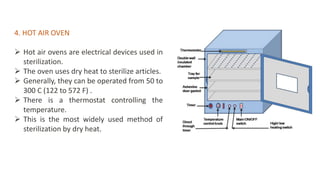
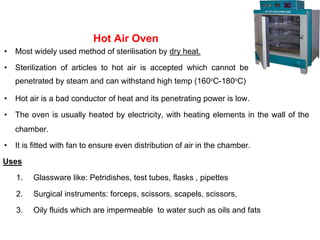
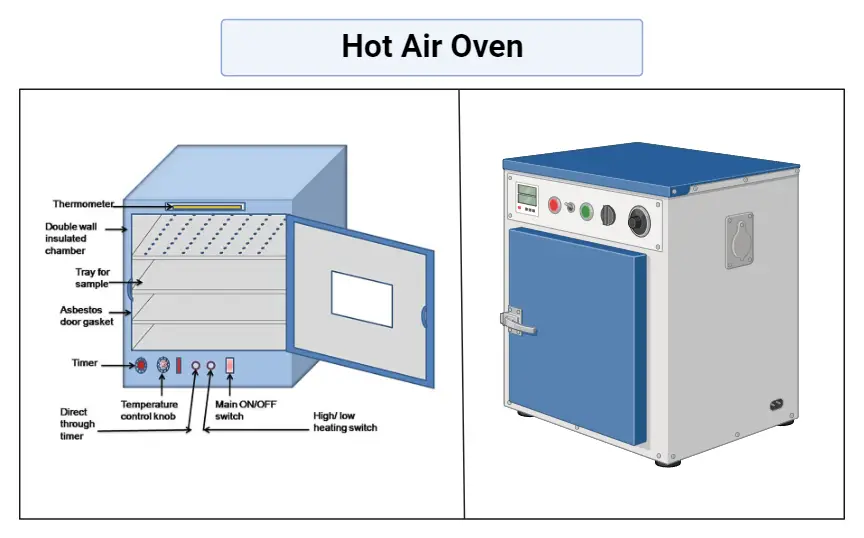
Sterilization is a critical process in medical, dental, veterinary, and laboratory settings. It ensures that instruments, glassware, and metal tools are completely free of all forms of microbial life, including highly resistant bacterial spores. While autoclaves use pressurized steam to achieve this, dry heat sterilization relies solely on high temperatures to destroy microorganisms through oxidation and protein denaturation.
When planning your processing cycle, a common question arises regarding processing duration. Specifically, sterilization with a dry heat oven typically takes about one to two hours, depending heavily on the internal temperature, the type of items being treated, and how the oven is loaded.
How Long Sterilization with a Dry Heat Oven Typically Takes
Unlike steam sterilization, which penetrates materials quickly due to moisture and pressure, dry heat transfers thermal energy much more slowly. Because air is a poor conductor of heat, instruments must remain at high temperatures for extended periods to ensure complete pathogen destruction. Therefore, the total time required for a cycle is a combination of the heat-up time, the actual sterilization exposure time, and the cool-down period.
Standard temperature and time combinations recommended by health and safety guidelines generally follow these parameters:
- 340°F (170°C): Requires approximately 1 hour of exposure time.
- 320°F (160°C): Requires approximately 2 hours of exposure time.
- 250°F (121°C): Requires 6 hours or longer (rarely used due to excessive time).
It is crucial to note that these timeframes represent the holding period *after* the oven has reached the target temperature. You must add the initial heating phase and the cooling phase to calculate the total time the oven will be occupied.
Types of Dry Heat Ovens
Dry heat sterilizers generally fall into two categories, each affecting the efficiency and overall duration of the cycle:
Static-Air (Gravity Convection) Ovens
Video: Dry Heat Sterilization: Hot Oven, Incineration & Flaming Explained @EnteMicrobialWorld #microbes
These traditional ovens heat the air inside the chamber naturally, allowing hot air to rise and cool air to fall. Because there is no mechanical circulation, heating is slower, and hot or cold spots can occur within the chamber. Consequently, static-air ovens require strict adherence to maximum time recommendations and careful loading to ensure every instrument reaches the required temperature.

Forced-Air (Mechanical Convection) Ovens
Forced-air ovens feature a built-in fan that continuously circulates heated air throughout the chamber. This active movement ensures a uniform temperature distribution and faster heat transfer. As a result, forced-air ovens generally reduce the overall warm-up time and provide a more consistent sterilization process compared to static-air models.
Advantages and Limitations of Dry Heat Sterilization
Choosing dry heat over steam or chemical sterilization offers distinct benefits, but it also comes with specific limitations that dictate its proper use.
Key Benefits
- No Corrosion or Rust: Because moisture is absent, carbon steel instruments, surgical scissors, and hinges will not rust or dull as quickly as they might in a steam autoclave.
- Penetration of Powders and Oils: Dry heat is uniquely suited for sterilizing anhydrous substances, petroleum products, powders, and sharp instruments that could be blunted or damaged by moisture.
- Cost-Effective Operation: Dry heat ovens generally feature simpler engineering, lower maintenance costs, and do not require specialized plumbing or distilled water reservoirs.
Primary Limitations
- Longer Cycles: The requirement for extended exposure times means lower instrument turnaround compared to rapid steam cycles.
- High Temperature Restrictions: Plastics, rubber, and certain fabrics will melt, warp, or catch fire at the high temperatures required for dry heat processing.
- Challenging Monitoring: Verifying dry heat penetration can be more complex, requiring specialized biological indicators designed specifically for thermal destruction rather than steam exposure.
Best Practices for Effective Processing
To ensure absolute sterility and protect your valuable instruments, follow these industry-standard operational guidelines:
- Pre-Clean Thoroughly: Always wash, rinse, and dry instruments meticulously before placing them in the oven. Organic debris, blood, or chemical residues can bake onto the metal, shielding microorganisms from the heat.
- Use Appropriate Packaging: Wrap instruments in approved dry heat wrapping materials, such as heavy-duty aluminum foil or specialized paper pouches rated for high-temperature ovens. Avoid standard plastic bags or low-grade wraps.
- Avoid Overloading: Never crowd the chamber. Space instruments out evenly with adequate room for air to circulate freely around every single item. Overloading is the leading cause of sterilization failure in dry heat units.
- Start the Timer Correctly: Do not start timing the cycle the moment you turn the oven on. Wait until the internal thermometer or built-in gauge indicates that the chamber has reached the required sterilization temperature.
- Allow for Safe Cooling: Let the oven cool down naturally before opening the door. Opening a hot oven too quickly can cause thermal shock, cracking glass containers or burning the operator.
Conclusion
Proper instrument processing is vital for maintaining a sterile and safe environment. While sterilization with a dry heat oven typically takes about one to two hours of active holding time—plus heating and cooling phases—its ability to protect sharp edges and process moisture-sensitive items makes it an invaluable tool. By understanding temperature parameters, avoiding overloaded chambers, and following rigorous pre-cleaning protocols, you can ensure reliable, safe sterilization every single time.