DTE Power Outage Map Michigan: Track Outages & Status
Understanding Michigan's Electrical Grid and DTE Energy

Michigan's weather can be notoriously volatile. From heavy winter ice storms that snap tree limbs to severe summer thunderstorms packing high winds, the state's electrical infrastructure faces constant pressure. For millions of residents living in Southeastern Michigan, DTE Energy is the primary provider of electricity. When the lights go out, knowing how to quickly access the dte power outage map michigan becomes an essential survival and convenience tool.
The utility company operates a massive grid spanning thousands of miles of overhead and underground lines. While DTE continuously invests in infrastructure upgrades—such as trimming trees and modernizing equipment—nature frequently overpowers the system. When a major weather event strikes, tracking when your power will return relies heavily on digital tools provided by the utility.
How to Access and Navigate the DTE Power Outage Map Michigan
When an outage hits your neighborhood, the fastest way to get accurate, real-time information is through the official online tracking portal. Navigating this tool effectively ensures you get the precise status of your home or business without relying on jammed phone lines.
Step-by-Step Guide to Checking Outage Status
Checking your local grid status takes only a few moments if you follow these steps:
- Visit the official DTE Energy website or open the DTE mobile app on your smartphone.
- Navigate directly to the interactive outage tracking section to load the geographic interface.
- Zoom in on your specific neighborhood or enter your home address/ZIP code into the search bar.
- Click on the colored icon or grid boundary near your location to view detailed information.
Reading the Outage Details
Once you select your area on the map, a pop-up window will provide critical metrics regarding the disruption:
- Cause of Outage: Identifies whether the failure is due to severe weather, equipment failure, tree interference, or vehicle accidents involving utility poles.
- Customers Affected: Shows the scope of the incident, ranging from a few individual houses to entire townships.
- Crew Status: Indicates whether a repair crew has been assigned, is traveling to the site, or is actively working on repairs.
- Estimated Time of Restoration (ETR): Provides the projected time your electricity is expected to be fully restored.
What Different Map Status Indicators Mean
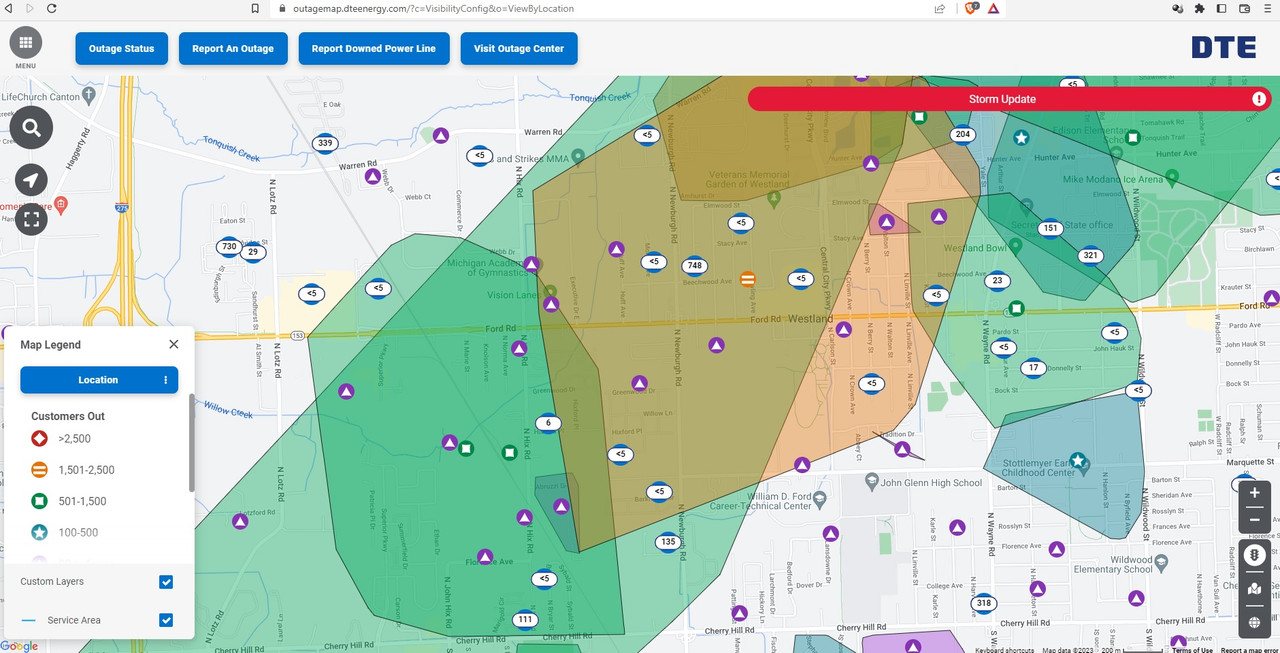
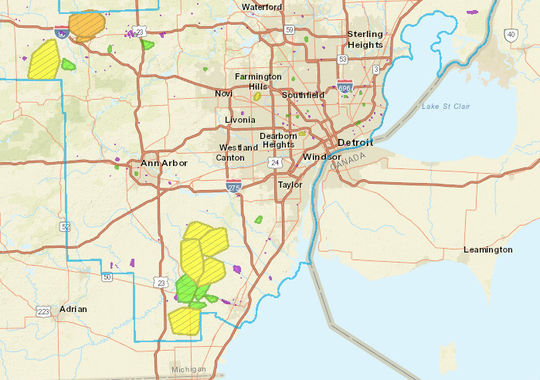
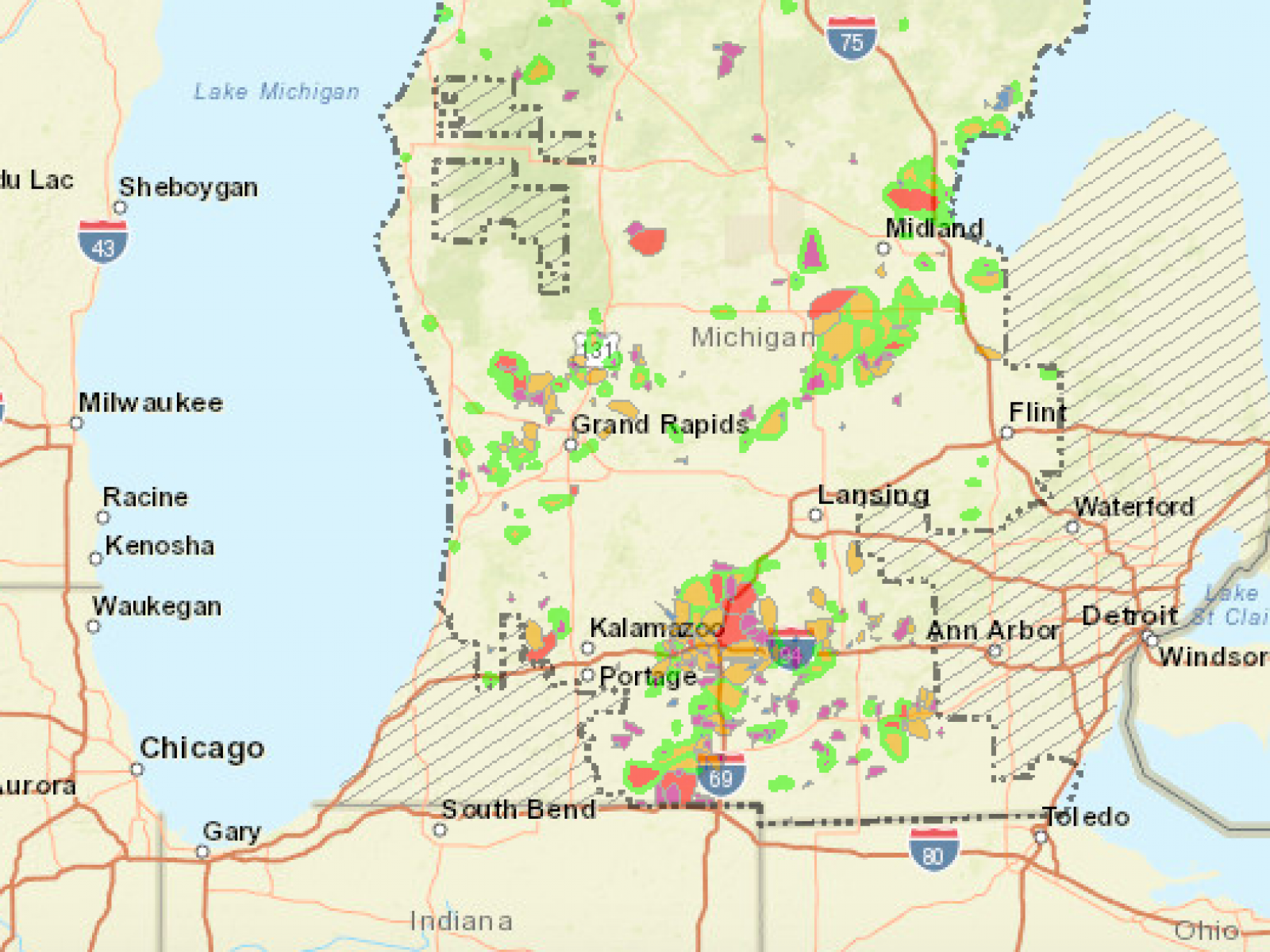
The tracking dashboard uses color-coded icons and shaded areas to communicate the severity of the electrical failure. Understanding these visual cues helps you gauge how long you might be in the dark.
Colors and Symbols
Generally, smaller clusters indicate isolated local issues—such as a blown transformer or a single downed service drop to a home. Larger, widespread color polygons indicate regional substations or major transmission lines that have tripped offline. If your area is shaded, it means a crew is either evaluating the grid or working systematically through a priority list.
Video: Thousands without power as DTE warns high winds may trigger more outages in Southeast Michigan
Why Estimated Restoration Times Change

One of the most frustrating aspects of monitoring an outage is watching an Estimated Time of Restoration (ETR) get pushed back. This happens because:
- Initial Assessments: Early estimates are often placeholders generated automatically before a crew physically inspects the damage.
- Secondary Damage: Once workers clear a downed tree, they may discover underlying damage to transformers or crossarms that requires specialized repairs.
- Widespread Devastation: In massive regional storms, thousands of individual failure points stretch crew availability thin, forcing the utility to prioritize critical infrastructure like hospitals and water treatment facilities first.
How to Report an Outage or Downed Power Line
If your power goes out, do not automatically assume DTE already knows. While automated smart meters usually signal outages immediately, reporting helps verify your specific address is logged in the system.
Methods for Reporting
You can report an outage using several convenient channels:
- The DTE App: The fastest method for smartphone users. It logs your location and account details instantly.
- Online Portal: Log into your account on a desktop or mobile browser to submit a quick report.
- Text Messaging: Text 'OUT' to DTE's designated shortcode if you have registered your mobile number with your account.
- Phone: Call DTE's automated outage line, though expect high call volumes during major regional storms.
Critical Safety Warning for Downed Lines
If you see a downed power line while assessing storm damage, treat it as live and extremely dangerous. Never approach, touch, or attempt to move a downed wire, and keep children and pets far away. Report downed lines immediately by calling 911 or DTE's emergency line. Never assume a wire is dead simply because it is touching the ground or doesn't look active.
Tips for Preparing for Michigan Power Outages
Preparation is the key to weathering unexpected utility failures comfortably and safely. Taking proactive steps before the next storm hits ensures your household remains secure.
Essential Household Emergency Kit
Keep a dedicated emergency supply kit stocked with the following items:
- Bottled water and non-perishable food items for at least 72 hours.
- Flashlights, lanterns, and plenty of extra batteries.
- A battery-powered or hand-crank NOAA weather radio for local emergency updates.
- Fully charged portable power banks to keep smartphones and communication devices operational.
- A first-aid kit and any necessary prescription medications.
Managing Food Safety in the Refrigerator
During an extended outage, keep refrigerator and freezer doors closed as much as possible. A closed refrigerator will keep food safe for about four hours. A full freezer will hold its temperature for roughly 48 hours (24 hours if it is half full). Utilize coolers with ice if you need to salvage perishable items during prolonged summer heatwaves or extended winter restorations.