Easy Multiplication for Busy Moms: A Simple Guide
The Homework Hour Struggle

It is 6:30 PM. Dinner is half-cleaned, laundry is waiting to be folded, and your third-grader is sitting at the kitchen table staring blankly at a worksheet of math problems. Tears are welling up over 7x8. If this scene sounds familiar, you are not alone. Across the country, evening routines are hijacked by multiplication tables that seem to vanish from kids' memories the second they are written down.
As a busy mom, you do not have two extra hours every night to drill flashcards that only result in frustration for both of you. You need a better way. When you discover the secret to easy multiplication for busy moms, homework time transforms from a nightly battle into a quick, empowering bonding moment. The secret isn't drilling harder; it's teaching smarter using visual patterns, tactile tools, and micro-learning moments.
Why Traditional Memorization Fails
For decades, schools have relied on rote memorization for times tables. While kids eventually need to recall that 6x6 equals 36, forcing them to memorize a grid of 100 numbers before they understand *why* those numbers work is a recipe for math anxiety.
Children are natural pattern seekers. When we present multiplication as a massive list of isolated facts, their brains push back. However, when we frame multiplication as repeated addition, scaling, and geometric patterns, concepts stick instantly. Shifting away from rote drills saves time and spares your sanity.
Proven Strategies for Easy Multiplication
You do not need a teaching degree to make math click for your child. Implement these low-prep, high-impact strategies into your daily routine without adding to your already packed schedule.
1. Leverage the Power of Arrays
Multiplication is essentially geometry—it is the area of a rectangle. Instead of flat numbers on a page, use physical items you already have in your kitchen.
- Grab a muffin tin and some dry beans, cereal pieces, or pennies.
- Ask your child to make 3 rows of 4 beans.
- Count them together. Show them that 3 rows of 4 is the same as $3 imes 4 = 12$.
This hands-on visual takes less than two minutes and builds a concrete mental image of how multiplication works. Once they see the array, they never have to guess blindly again.
2. Master the Finger Trick for the Nines
Video: China-USA Multiplication Tricks
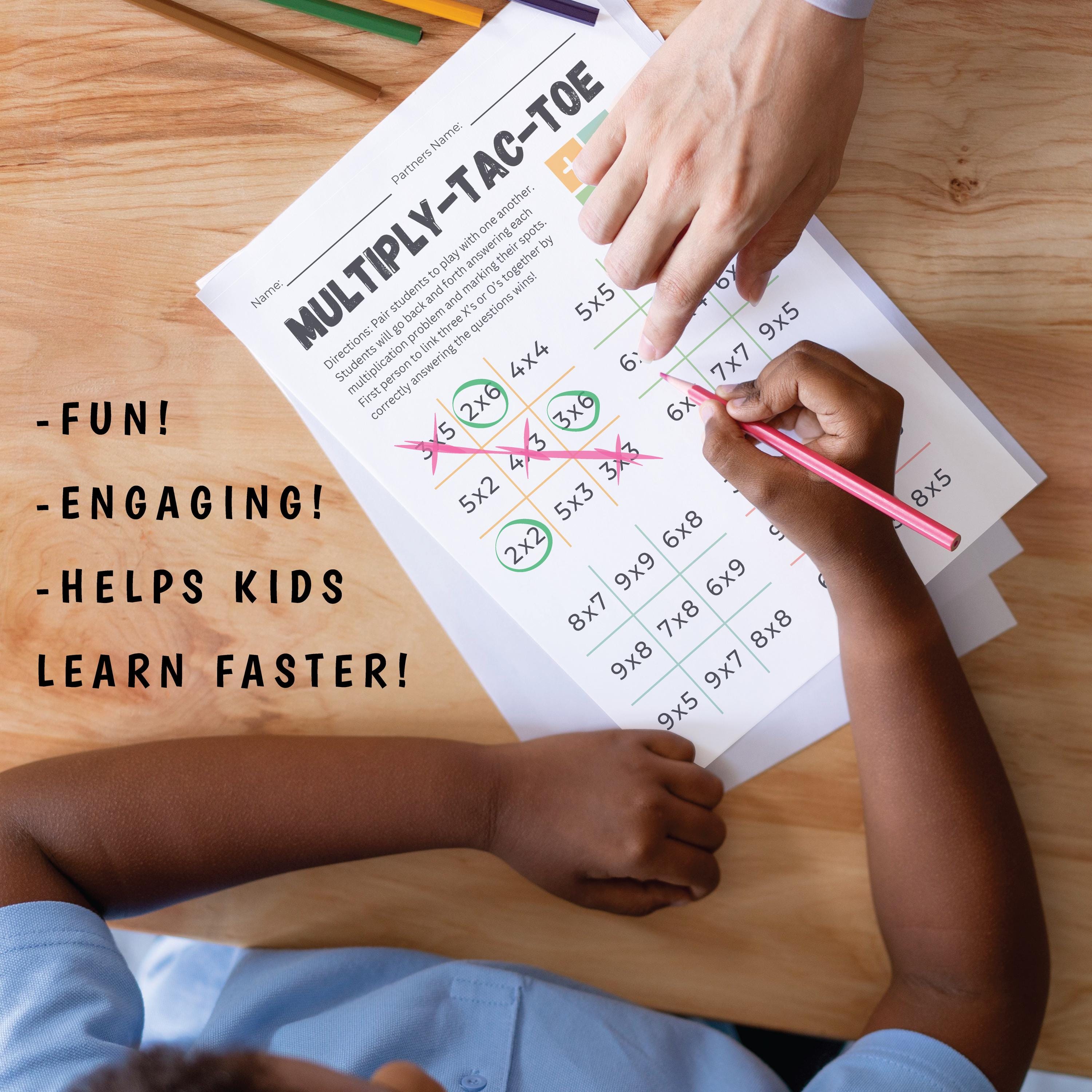
The nine times table causes more groans than almost any other, but your child’s hands hold a built-in calculator. This trick never fails to blow kids' minds and make math feel like magic.
- Hold both hands out palms facing down in front of you.
- Number your fingers from 1 to 10, starting with your left pinky as 1 and ending with your right pinky as 10.
- To multiply $9 imes 4$, simply curl down the 4th finger (your left ring finger).
- Count the fingers to the left of the curled finger—that is your tens digit (3).
- Count the fingers to the right—that is your ones digit (6).
- Put them together: 36!
This trick builds instant confidence and gives kids a reliable safety net when they freeze up during a test.
3. Use Micro-Learning in Real Life
Busy moms do not have time to sit at a desk for an hour of math instruction. The secret to lasting retention is spreading learning across small, natural pockets of your day.
- In the carpool line: Skip traditional counting songs and play skip-counting games. Count by 4s to 40 while waiting for the light to change.
- At the grocery store: If apples come in bags of 4 and you need 3 bags, ask, 'How many apples is that?'
- Setting the table: If each of the 4 plates needs 2 forks, ask for the math equation before handing them out.
By embedding math into everyday life, you show your child that multiplication is a useful tool, not just a school assignment.
Building a Stress-Free Homework Routine
Even with the best math tricks, homework can still derail an evening if the environment isn't set up for success. Protect your peace and your child's focus with a few simple boundaries.
Keep Sessions Short and Sweet
Parkinson’s Law states that work expands to fill the time available for its completion. Keep multiplication practice to strict 10-minute blocks. Set a visual timer on the counter. When the timer goes off, math time is done—even if you didn't finish the whole worksheet. This teaches focus and prevents burnout.
Praise effort over correct answers. If your child struggles through a difficult problem but uses an array or a skip-counting strategy to figure it out, celebrate that process. Correct answers will naturally follow when the foundational mechanics are solid.
Conclusion
Helping your child succeed in school doesn't mean you have to sacrifice your evenings or become a certified math tutor. By abandoning frustrating flashcard drills and embracing visual patterns, hands-on arrays, and real-world practice, you can make math approachable. Use these strategies starting tonight, and watch homework go from a nightly power struggle to a quick, painless milestone on the way to a peaceful bedtime.


