eBay Refund Policy: Your Complete Buyer Guide
Understanding the eBay Refund Policy

Navigating online marketplaces is much easier when you know your rights as a consumer. Whether you are purchasing a brand-new smartphone or a vintage collectible, understanding the ebay refund policy ensures you are protected if something goes wrong. eBay provides a structured framework through its Money Back Guarantee, designed to give shoppers confidence and keep transactions transparent.
While individual sellers set their own return policies for voluntary returns—such as when a buyer simply changes their mind—eBay steps in with universal buyer protection whenever an item arrives damaged, does not match the listing description, or never arrives at all. Knowing how these rules apply can save you time, money, and frustration.
The eBay Money Back Guarantee
The cornerstone of consumer protection on the platform is the eBay Money Back Guarantee. This policy covers almost all transactions completed on the site, provided payment was made through an eligible checkout method.
What Is Covered?
You are protected under the guarantee if:
- You do not receive the item you ordered.
- The item arrives damaged, defective, or broken.
- The item is significantly different from the seller's description (e.g., wrong color, wrong model, missing parts, or counterfeit).
- The seller's stated return policy allows for returns, and you wish to return the item within their designated timeframe.
What Is Not Covered?
There are certain scenarios where the guarantee does not apply. If you purchase items via classified ads, local pickup, or unauthorized payment methods (such as cash or direct wire transfer), you may not be covered. Additionally, if you simply changed your mind and the seller explicitly stated "No Returns" in their listing, you generally cannot force a return unless the item was misrepresented.
How to Request a Refund as a Buyer
If you encounter an issue with your purchase, initiating a refund request is a straightforward process. Acting quickly is crucial because eBay enforces strict deadlines for dispute resolution.
- Check the Timeline: You typically have up to 30 days from the estimated delivery date (or actual delivery date) to report an issue.
- Go to Purchase History: Log into your eBay account, navigate to your My eBay section, and select Purchase History.
- Select the Item: Find the transaction in question and click "Return this item" or "More actions" followed by "I didn't receive it" or "Request a return."
- State Your Reason: Choose the option that best describes your problem and upload clear photos if the item arrived damaged or not as described.
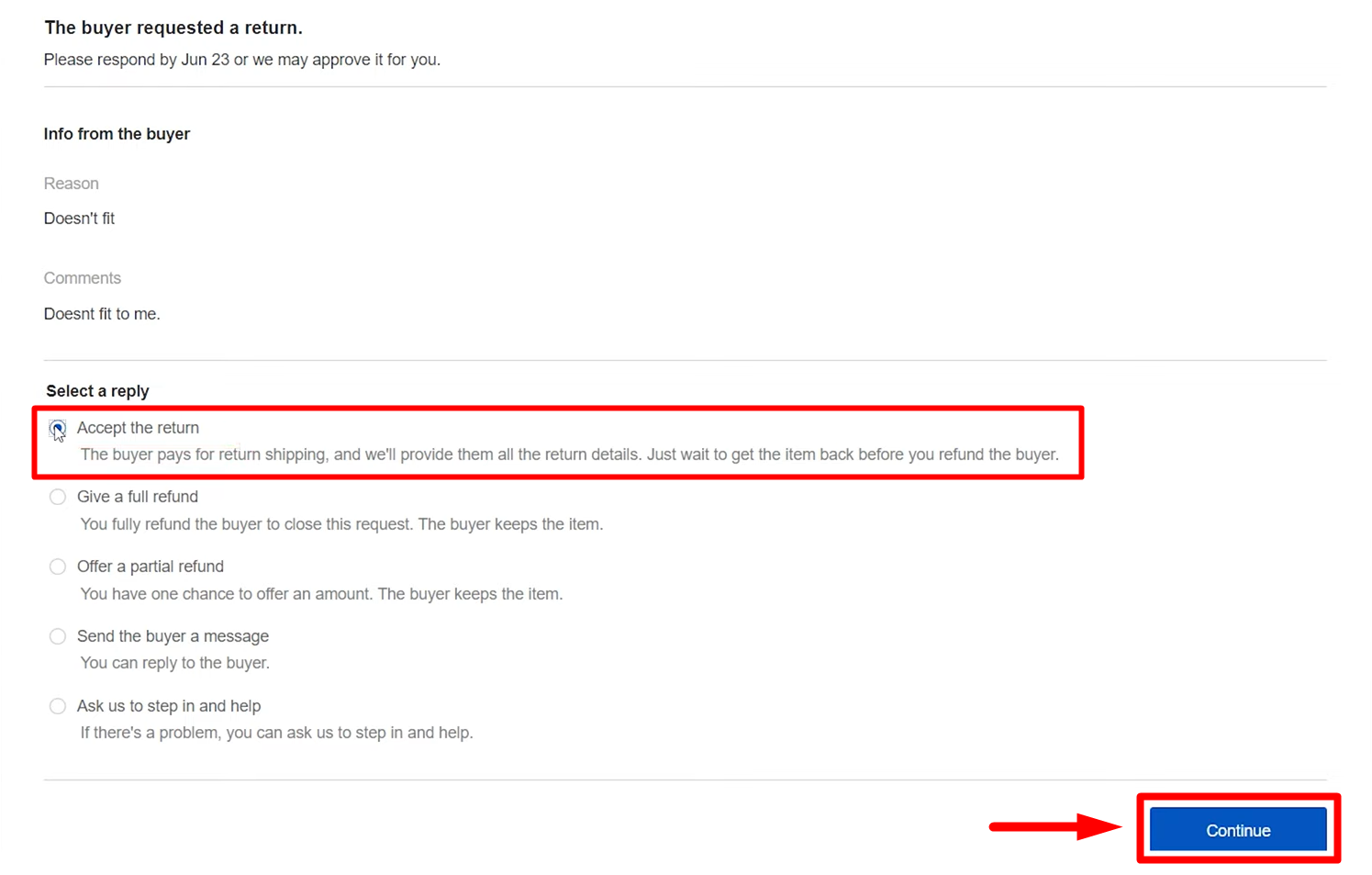
- Wait for the Seller: The seller has 3 business days to respond with a solution, which may include a prepaid shipping label, a partial refund, or a full refund.
Seller Return Policies vs. eBay Policies
It is important to distinguish between a seller's voluntary return policy and eBay's mandatory buyer protection policies.
Seller-Set Return Terms
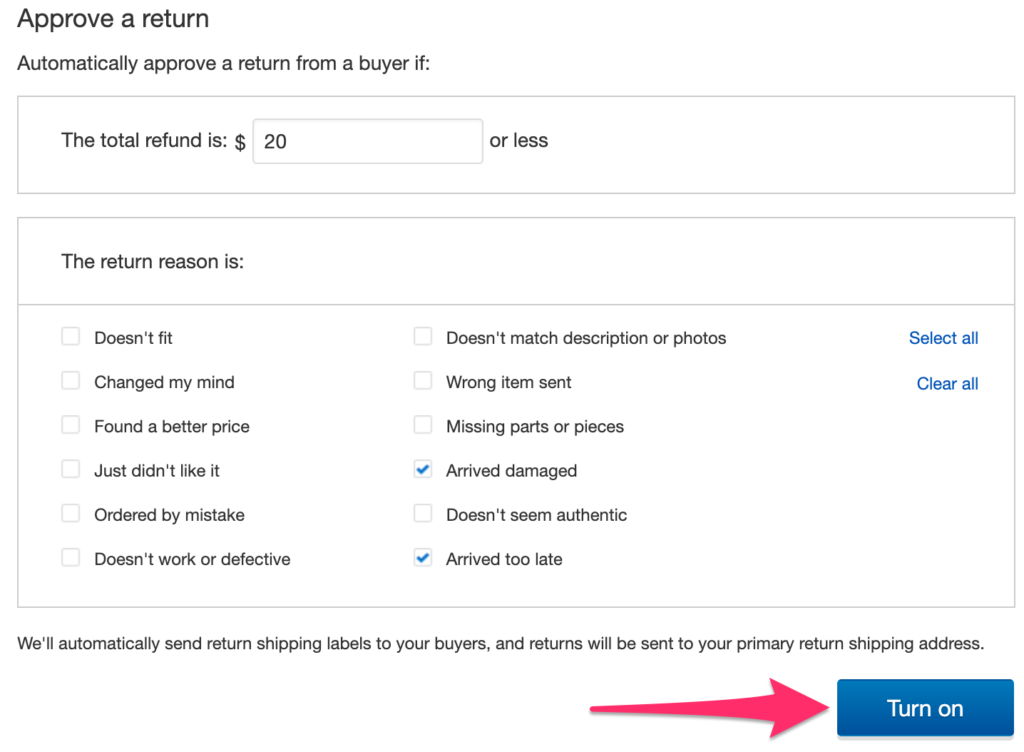
Sellers can choose whether they accept returns for "buyer's remorse" reasons (e.g., it doesn't fit, or you bought the wrong color). They can specify:
- Whether returns are accepted (30 days, 60 days, or no returns).
- Who pays for return shipping (the buyer or the seller).
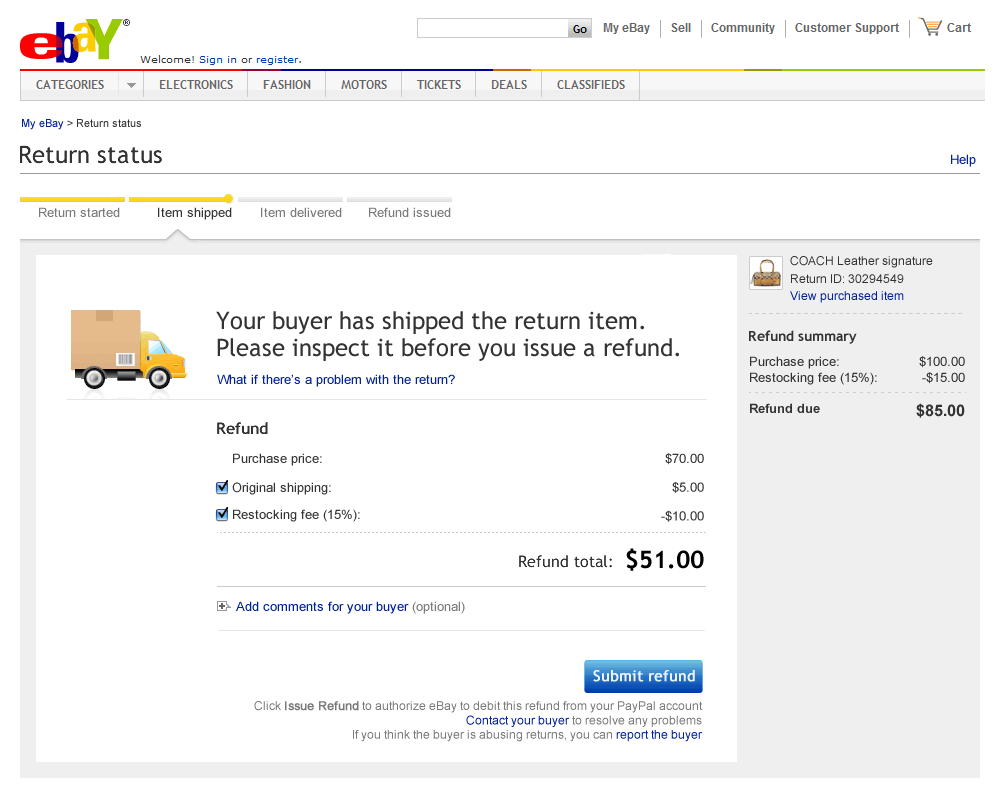
- Whether a restocking fee applies (though rare and heavily restricted on modern eBay).
When eBay Overrules the Seller
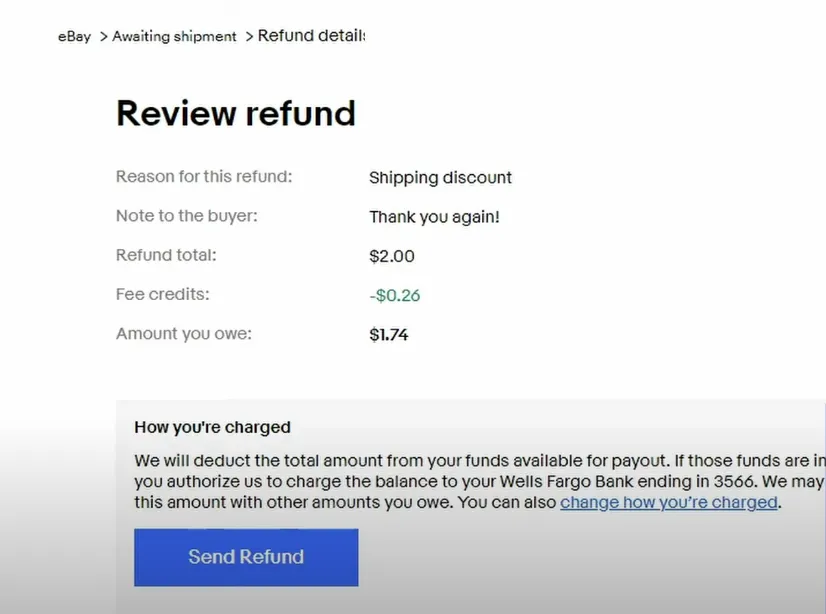
Even if a seller states "No Returns" in their listing description, they cannot opt out of the eBay Money Back Guarantee. If an item arrives broken, defective, or not as described, the seller is legally and platform-bound to accept the return and issue a full refund, including original shipping costs.
Timeframes and Deadlines to Remember
Timing is everything when dealing with eBay transactions. Missing a deadline can forfeit your right to a refund. Keep these critical timeframes in mind:
- Item Not Received: You can open a request the day after the estimated delivery date, up to 30 days past that date.
- Item Not as Described: You must request a return within 30 days of the actual delivery date.
- Seller Response Time: Sellers have 3 business days to resolve the issue. If they fail to act, you can ask eBay to step in.
- Shipping the Item Back: Once a return is approved, you generally have 5 to 10 business days to ship the item back using the provided tracking label.
What Happens If the Seller Does Not Cooperate?
If a seller ignores your message, refuses to issue a refund, or tries to negotiate outside of eBay's official messaging system, do not panic. You can escalate the case to eBay Customer Support.
Once you ask eBay to step in, their automated or human review team will examine the tracking details, listing description, and messages between you and the seller. If you are in the right, eBay will force the refund, pulling the funds directly from the seller's account and crediting them back to your original payment method. Always keep your communications within eBay's platform so customer service can review the conversation if needed.
Tips for a Smooth Return and Refund Process
To ensure your refund goes as quickly and painlessly as possible, follow these best practices:
- Keep All Packaging: Save the original shipping box, packing materials, and labels until you are certain you want to keep the item.
- Document Everything: Take clear photographs or videos of damaged items or incorrect packages immediately upon opening.
- Use Tracked Shipping: When returning an item, always use the tracking label provided through eBay. This proves to eBay that the item is on its way back.
- Communicate Politely: Most sellers are honest people trying to run a business. A polite message often resolves an issue faster than immediately opening a harsh dispute.
By keeping these guidelines in mind, you can shop on the platform with total peace of mind, knowing that the eBay refund policy has your back when transactions don't go according to plan.