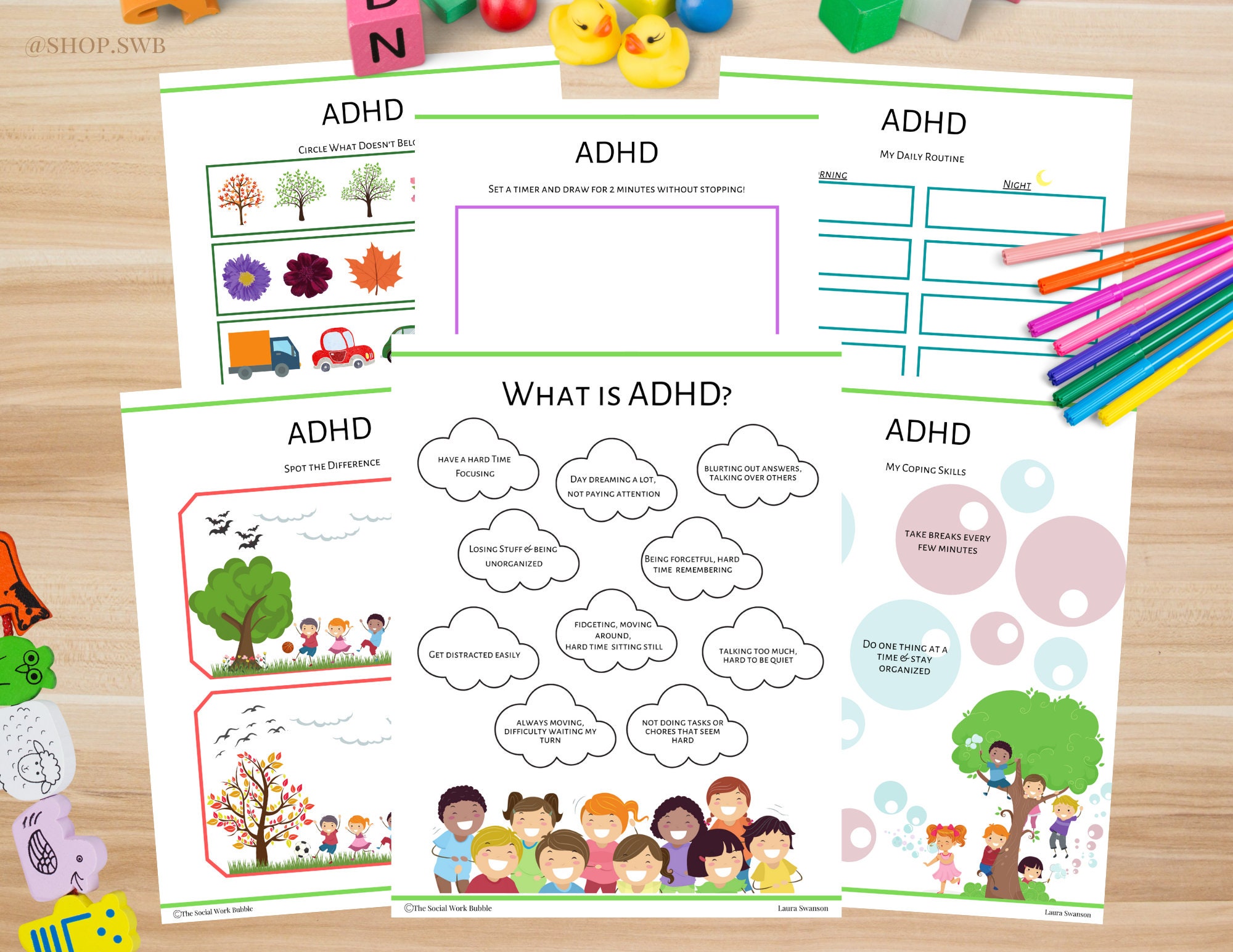
Editable Dramatic Play Images for ADHD Kids
Pretend play is a cornerstone of childhood development, offering a safe space to practice social skills, process emotions, and build cognitive flexibility. However, for children with Attention Deficit Hyperactivity Disorder (ADHD), unstructured pretend play can sometimes lead to frustration, overwhelm, or rapid loss of interest. Without clear boundaries or cues, neurodivergent minds may struggle to initiate a scenario, maintain focus, or transition between roles.

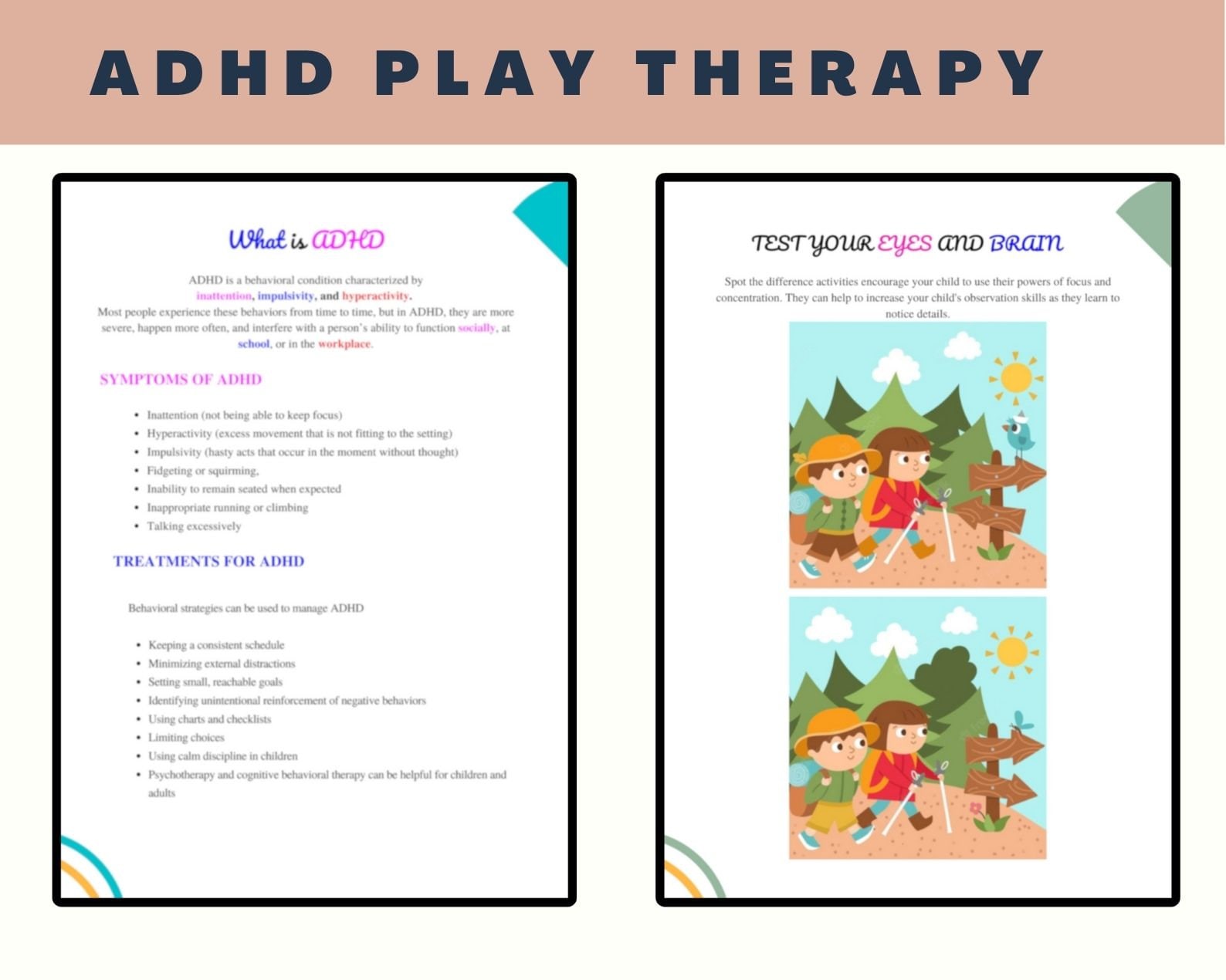
This is where visual supports change the game. By utilizing editable dramatic play images for ADHD kids, parents, teachers, and therapists can provide just the right amount of scaffolding. These customizable templates allow you to tailor scenarios to a child's specific hyper-fixations, sensory needs, and developmental levels, transforming chaotic playrooms into organized, engaging learning environments.
Why Dramatic Play Can Be Challenging for ADHD Minds
Children with ADHD often face difficulties with executive functioning—the mental processes that enable planning, working memory, impulse control, and emotional regulation. While a neurotypical child might easily jump into an open-ended "restaurant" game, a child with ADHD might experience executive dysfunction hurdles:
- Initiation paralysis: Not knowing where to start or what role to play first.
- Working memory overload: Forgetting the "rules" of the pretend scenario mid-play.
- Difficulty transitioning: Getting stuck in one role or melting down when the play scenario needs to change.
- Sensory seeking or avoidance: Becoming overwhelmed by the props or losing focus due to under-stimulation.
Visual aids act as an external working memory system. By providing concrete cues through pictures, words, and structured role cards, children can ground themselves in the activity and sustain their attention much longer.
The Benefits of Using Editable Visuals
Standard, store-bought dramatic play kits are rigid. If a kit features a grocery store, but your child is currently obsessed with veterinary clinics or space exploration, generic props won't hold their attention. Editable templates solve this issue by giving you total creative control.
1. Personalization for Maximum Engagement
ADHD brains thrive on high-interest topics. If your child loves dinosaurs, you can easily swap out generic store labels for dinosaur-themed bakery tags or Jurassic veterinary charts. Customization ensures the play aligns with their current dopamine-boosting interests.
2. Reduced Anxiety Through Predictability
Video: Dramatic Play
Role-playing involves social guesswork, which can cause anxiety for kids who struggle with social cues. Editable dramatic play images can include step-by-step visual schedules of how to play (e.g., 1. Take the customer's order, 2. Punch it into the cash register, 3. Serve the food). Knowing what comes next lowers the cognitive load.
3. Supporting Literacy and Executive Function
Even for pre-readers, pairing simple text with clear photographs or icons builds early literacy skills. Visual menus, check-off ingredient lists, and badge templates teach organization and sequential thinking without feeling like a traditional school lesson.
Popular Themes to Adapt for Neurodivergent Learners
You can create editable dramatic play packs for almost any scenario. Here are a few high-engagement themes that work exceptionally well with visual supports:
- The Doctor's Office or Vet Clinic: Excellent for teaching empathy and body awareness. Include editable check-up checklists so the child knows every step of a patient examination.
- The Post Office: Great for sorting tasks, which appeal to kids who enjoy categorization and tactile sorting.
- The Café or Restaurant: Visual picture-menus help children take orders accurately, practicing matching and fine motor skills.
- The Construction Site: Perfect for high-energy kids who need structured physical movement coupled with a clear goal, like building a block tower according to a visual blueprint.
How to Create and Implement Your Play Packs
Creating these resources doesn't require advanced graphic design skills. You can use free platforms like Canva or Microsoft PowerPoint to build your own editable templates.
Step-by-Step Implementation Guide
- Choose the theme together: Involve the child in selecting the dramatic play theme. Ownership boosts intrinsic motivation.
- Use real photos or clean illustrations: Avoid overly cluttered backgrounds. For younger children or those with severe distractibility, real photos of objects (like an actual telephone or stethoscope) are often easier to process than cartoon drawings.
- Laminate everything: ADHD play can be enthusiastic and messy. Laminating your editable images ensures they withstand rough handling and can be written on with dry-erase markers.
- Keep it bite-sized: Don't overwhelm the play area with twenty different signs. Start with three to five core visual prompts, then rotate them out as the child masters the routine.
- Play alongside them initially: Model how to use the visual supports. Show them how to look at the picture schedule to decide what the next step of the game is.
Conclusion
Pretend play is vital for emotional and cognitive growth, but it shouldn't be a source of stress. By incorporating editable dramatic play images for ADHD kids, you bridge the gap between unstructured chaos and rigid boredom. These customizable visual tools empower neurodivergent children to take the lead in their own imaginative worlds, fostering focus, independence, and hours of joyful, structured play.