Effective Motherhood Strategies through Printables
Motherhood is a rewarding journey, but it often comes with an overwhelming mental load. From remembering school permission slips to planning nutritious meals and tracking household chores, moms carry a constant stream of information in their heads. When your brain is overloaded, patience wears thin, and daily life can feel chaotic.

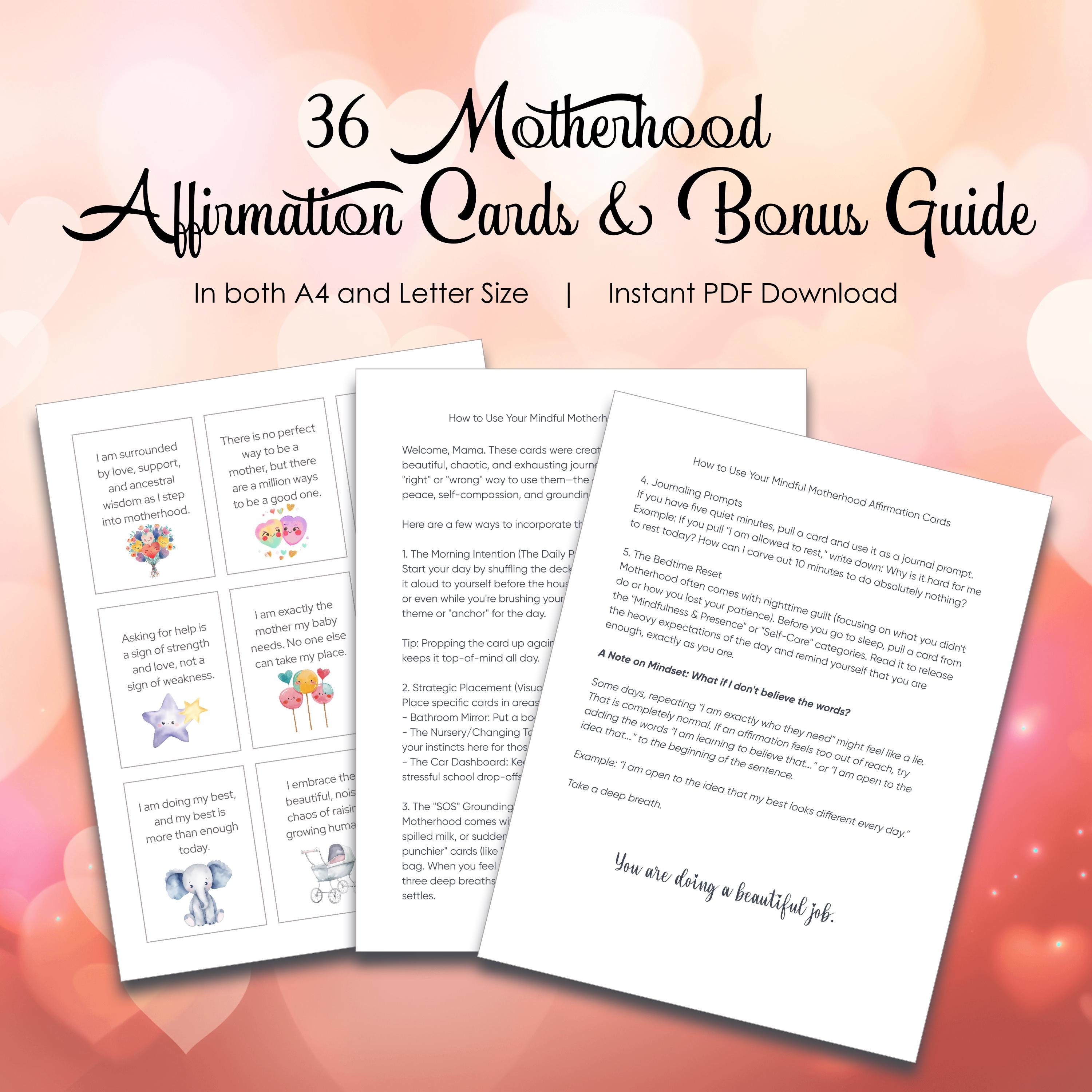
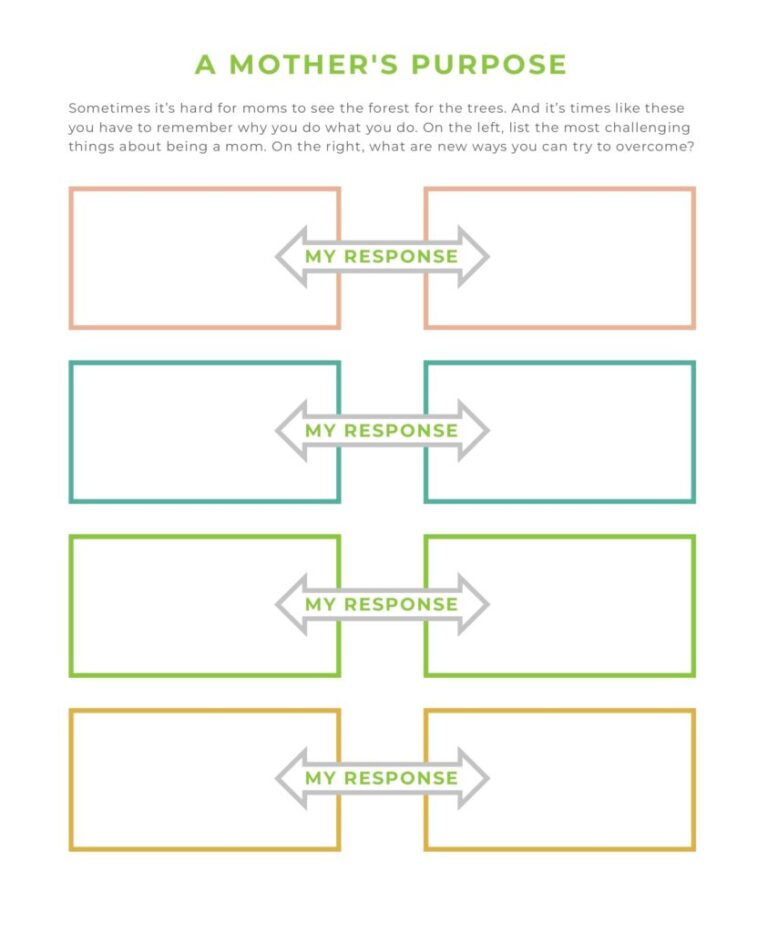
One of the most practical ways to lighten this load is by implementing effective motherhood strategies through printables. Tangible, paper-based systems take ideas out of your head and put them onto a structured page where the whole family can see them. This guide explores how you can use simple, downloadable tools to reclaim your time, reduce stress, and bring calm to your home.
Why Visual Systems Work for Modern Moms
Human brains love visual cues. Digital calendars and smartphone reminder apps are helpful, but they are easily buried behind notifications, text messages, and endless tabs. Paper printables offer a dedicated, distraction-free space for your family's vital information.
The Power of the Tangible Planner
Writing things down activates different cognitive pathways than typing on a screen. When you physically write out your weekly schedule or grocery list on a printable sheet, your brain is more likely to retain the information. Furthermore, a family command center featuring printed schedules provides an accessible hub that even young children can read and interact with, fostering early independence.
Reducing Decision Fatigue
Moms make hundreds of micro-decisions every single day—what to wear, what to cook, when to leave, and how to handle tantrums. Printables automate recurring decisions. By establishing templates for meal plans, cleaning rotations, and morning routines, you eliminate the daily guesswork and save your mental energy for the moments that truly matter.
Core Areas to Organize with Printables
To make the biggest impact on your daily routine, focus on implementing printables in the high-stress areas of family life.

1. Meal Planning and Grocery Lists
The dreaded "What's for dinner?" question plagues households around 5:00 PM every day. A weekly meal planning printable solves this by establishing a menu in advance. Pair it with a categorized grocery list template so you can shop efficiently without impulse buys or forgotten ingredients.
- Write your meals down on Sunday evening.
- Check your pantry against the grocery checklist before heading to the store.
- Pin the menu to the refrigerator so everyone knows what to expect.
2. Daily Routines and Chore Charts
Getting kids out the door for school or tucked into bed at night shouldn't require constant nagging. Visual routine charts help children take ownership of their habits.
- Morning Routine Chart: Include picture-based or text steps for brushing teeth, getting dressed, eating breakfast, and packing backpacks.
- Chore Checklists: Assign age-appropriate daily or weekly tasks so children learn responsibility while lightening your workload.
3. Household Maintenance and Cleaning Trackers
Deep cleaning the entire house in one day is exhausting and unrealistic for a busy mother. A rotational cleaning printable breaks household chores down into manageable daily and weekly chunks. Monday might be bathrooms, Tuesday is dusting, and Wednesday is laundry. By spreading tasks out, your home stays consistently tidy with minimal daily effort.
Tips for Implementing Printables Successfully
Having a stack of gorgeous printables won't help if they sit in a digital folder on your computer. Follow these steps to put your new systems into action:
- Keep it simple: Don't overwhelm yourself with twenty different planners. Start with one or two areas that cause the most daily friction, such as meal planning or morning routines.
- Invest in basic supplies: Print your templates on heavy cardstock for durability. Better yet, slip them into clear plastic sheet protectors and use dry-erase markers so you can reuse them week after week.
- Hold a family meeting: Introduce new charts and schedules to your children. Explain how the printables help everyone stay on track and give them a voice in how certain routines are structured.
- Review and adjust: No system is perfect on the first try. If a specific chore chart isn't working, modify the layout or try a different format after a couple of weeks.
Conclusion
Embracing effective motherhood strategies through printables is not about achieving rigid perfection; it is about creating breathing room in your schedule. By externalizing your tasks and routines onto paper, you minimize mental clutter, empower your children, and free up precious time to simply enjoy being a mom.