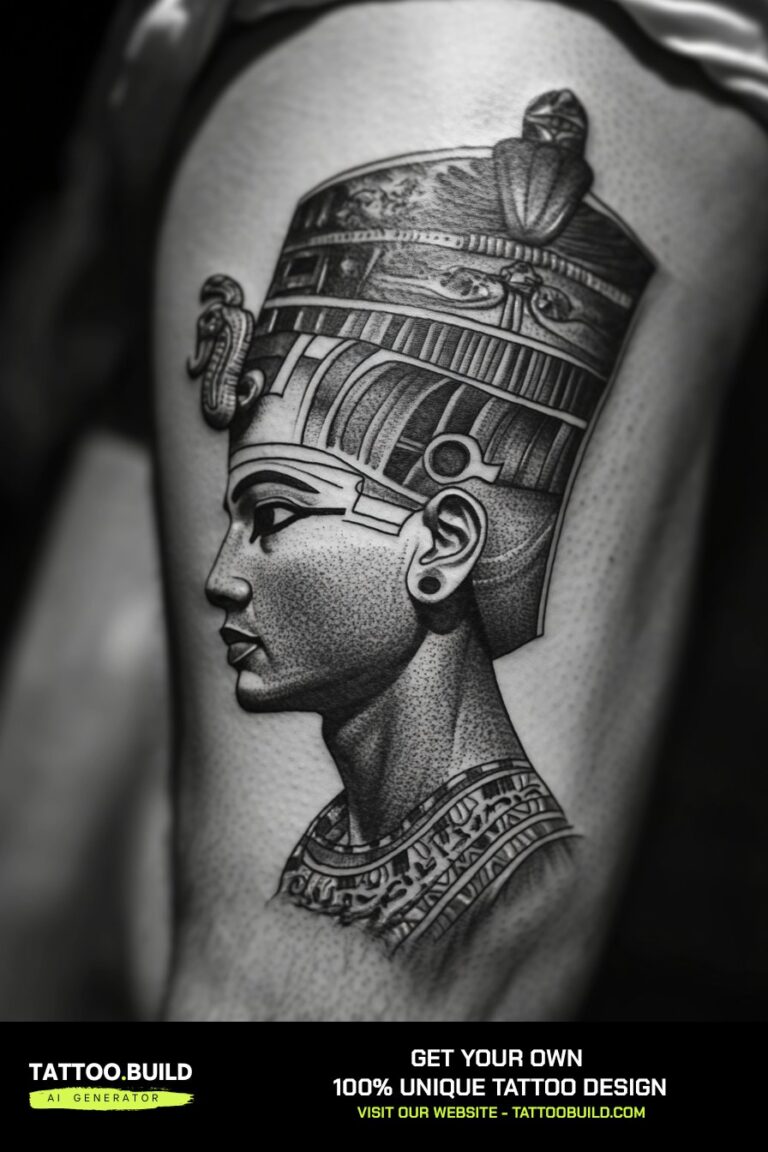
Egyptian Scripture Tattoos: Meanings & Design Guide
Ancient Egyptians believed words held metaphysical power. They referred to their hieroglyphic writing system as medu netjer, or “words of the gods,” viewing written language not merely as a communication tool, but as a magical act capable of shaping reality. Today, egyptian scripture tattoos offer a striking way to carry ancient philosophy, protective invocations, or historical reverence permanently on your skin. However, immortalizing ancient Egyptian texts requires careful research to ensure accuracy, cultural respect, and grammatical legitimacy.

The Scripts of Ancient Egypt: Choosing the Right Style
Before selecting a specific passage, it is essential to understand that “Egyptian scripture” spans several distinct scripts developed across thousands of years. The script you choose dramatically alters the aesthetic and historical context of your tattoo.
1. Monumental Hieroglyphs
Hieroglyphs are the most recognizable form of ancient Egyptian writing. Consisting of detailed pictograms representing humans, animals, tools, and cosmological symbols, hieroglyphs were reserved primarily for sacred monumental carvings, temple walls, and royal tombs. In a tattoo, hieroglyphs create a bold, visually intricate statement, functioning equally as art and literature.
2. Hieratic and Demotic
Hieratic emerged as a cursive shorthand used by temple scribes for administrative records, religious papyri, and literature. Later, Demotic evolved into an even more stylized, everyday script. While less common in tattooing, genuine Hieratic script offers an elegant, calligraphic flow reminiscent of brush-on-papyrus manuscripts, making it ideal for readers seeking a subtle, literary aesthetic.
3. Coptic Script
Coptic represents the final evolutionary stage of the Egyptian language. It adapted the Greek alphabet alongside seven Demotic characters to record Egyptian sounds. Coptic is particularly significant for those seeking literal Christian Egyptian scripture, as it was the primary liturgical language of early Christian monasticism in Egypt. Biblical verses written in Sahidic or Bohairic Coptic provide an authentic bridge between classical Christian theology and ancient Egyptian heritage.
Popular Egyptian Scripture Tattoos and Ancient Texts
Choosing an authentic passage rather than translating modern English into faux-hieroglyphs produces a more meaningful tattoo. The surviving literary corpus of Egypt offers profound meditations on morality, eternity, love, and protection.
The Book of the Dead (Spells of Coming Forth by Day)
The funerary corpus known historically as the Spells of Coming Forth by Day was designed to guide the soul through the underworld (Duat) toward the Field of Reeds. Several spells are particularly iconic for body art:
Video: Tattoos in Ancient Egypt : Incredible facts

- Spell 30B (The Heart Scarab Formula): An appeal to one's own heart not to betray the bearer during the ultimate weighing against the feather of Ma’at: “O my heart of my mother! Do not stand up against me as a witness.”
- Spell 125 (The Declaration of Innocence): Often called the Negative Confessions, this text lists moral proclamations affirming truthfulness, generosity, and justice, such as: “I have not caused pain; I have not made any man weep.”
The Great Hymn to the Aten
Penned during the reign of Pharaoh Akhenaten in the 14th century BCE, this hymn celebrates the sun as the sole creator and sustainer of life. Its poetic descriptions of nature, sunrise, and universal vitality make it a compelling choice for collectors who appreciate philosophical and nature-centric poetry.
The Offering Formula (Hetep di Nesu)
Found on thousands of stelae and tomb walls, the standard offering formula begins with the phrase “ḥtp-dỉ-nsw” (“an offering given by the king”). While originally funerary, the formula was essentially an invocation for abundance, peace, and spiritual sustenance in the afterlife.
Wisdom Literature (Sebayt)
Egyptians prioritized practical wisdom and ethical conduct. Texts like the Instructions of Ptahhotep or the Maxims of Ani contain poignant proverbs on humility, self-control, and fairness:
- “No one has ever reached the limit of art, nor is there any craftsman whose skill is complete.” — Ptahhotep
- “Truth is great, and its effectiveness endures.” — Ptahhotep
Avoiding Translation Mistakes
The most common failure in Egyptian text tattoos is the use of internet “hieroglyph alphabet” charts. Hieroglyphs are not a 26-letter substitution cipher for the modern Latin alphabet. The script functions through a sophisticated mix of:
- Phonograms: Signs representing one (uniliteral), two (biliteral), or three (triliteral) consonantal sounds. Ancient Egyptian did not write vowels.
- Ideograms: Signs that directly depict the object they represent.
- Determinatives: Unpronounced signs placed at the end of a word to clarify its conceptual category (e.g., a walking legs sign indicates movement).
Spelling out an English name like “Sarah” by picking pictures that correspond to modern English letters results in nonsensical combinations to anyone trained in Middle Egyptian grammar. If your goal is personal names, enclose them in an authentic royal cartouche (shenu loop), which historically contained phonetic transliterations of names. For conceptual or philosophical phrases, always pull directly from cataloged museum translations or consult an academic Egyptologist.
Directionality and Visual Placement
Ancient Egyptian scribes were masters of symmetry and adaptable layouts. Hieroglyphic scripture can be oriented in multiple directions depending on your anatomy:
- Reading into the Faces: Hieroglyphs are read facing into the open gaze of the animals and human figures. If a falcon, lion, or human sign faces left, the inscription reads from left to right. If they face right, the text reads right to left.
- Vertical Columns vs. Horizontal Registers: Monumental scriptures look best when formatted into vertical columns (registers). A vertical column running down the spine, outer forearm, or calf honors traditional temple architecture.
- Framing with Serekhs or Cartouches: Encasing key words in border lines, ankh symbols, or sky bars (the pet sign) gives the tattoo clean structural boundaries while mimicking genuine tomb reliefs.
Choosing an Artist and Style
Not all tattooers have the precision required for Egyptian textual work. Scribes maintained strict proportions based on a standardized grid system; distorted proportions make hieroglyphs appear amateurish. Look for an artist experienced in fine-line work, micro-realism, or blackwork. Ask if they understand how to maintain crisp negative space, as tiny determinatives can blur together over time if tattooed too small. Treat Egyptian scripture tattoos as both historical preservation and permanent art, ensuring your piece carries the same dignified permanence the ancients sought thousands of years ago.