Eileen Sheahan Ski Accident: What Happened at Aspen
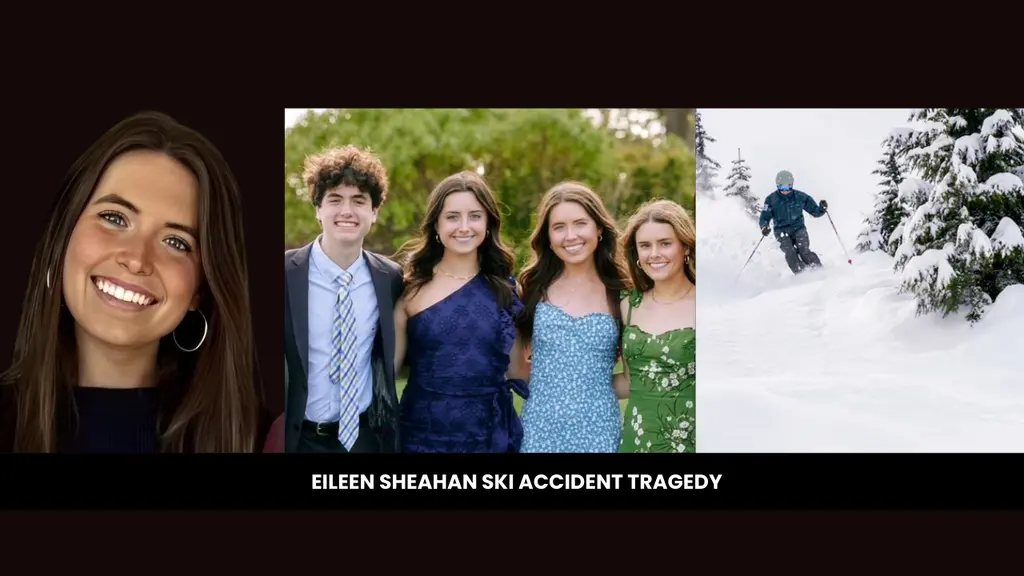
In January 2024, the winter sports community and college campuses across the United States were shaken by the news of the Eileen Sheahan ski accident. Eileen Sheahan, a vibrant 22-year-old senior at the University of Michigan, lost her life during a ski trip in Aspen, Colorado. The incident sparked widespread grief among family, peers, and educators, while also renewing important national conversations regarding ski resort safety, speed management, and obstacle awareness on alpine trails.

This article provides an objective, detailed overview of what occurred during the accident, the findings released by local authorities, Eileen’s background and legacy, and critical safety takeaways for skiers of all experience levels.
The Incident at Aspen Highlands
The accident occurred on Saturday, January 20, 2024, at Aspen Highlands, one of the four premier ski destinations operated by the Aspen Skiing Company in Pitkin County, Colorado. Aspen Highlands is renowned for its steep runs and challenging terrain, although it features runs tailored to various skill levels.
According to reports from the Pitkin County Sheriff’s Office and the Aspen Highlands Ski Patrol, Sheahan was skiing on the Exhibition run shortly before noon. Exhibition is designated as an intermediate (blue square) trail located on the lower part of the mountain. While descending, Sheahan reportedly lost control and collided with a tree along the edge of the trail.
Witnesses immediately alerted mountain staff. The Aspen Highlands Ski Patrol responded swiftly, arriving on the scene within minutes to initiate emergency care. Patrol members administered advanced life support procedures and cardiopulmonary resuscitation (CPR). Despite their efforts, Sheahan succumbed to her injuries and was pronounced dead at the scene at approximately 12:22 p.m.
Official Findings and Cause of Death
Following the incident, the Pitkin County Coroner’s Office launched an investigation to establish the official cause and manner of death. The coroner identified the victim as Eileen Sheahan of Evanston, Illinois, and concluded that she died from blunt force trauma resulting from the impact with the tree.
The manner of death was officially classified as an accident. Crucially, investigators noted that Sheahan was wearing a helmet at the time of the collision. Her death underscored a difficult reality frequently highlighted by trauma surgeons and mountain safety experts: while helmets significantly reduce the risk of head injuries at moderate speeds, they cannot fully eliminate the risk of fatal trauma during high-velocity impacts with stationary, immovable objects such as trees or lift towers.
Understanding the Eileen Sheahan Ski Accident and Her Legacy
Beyond the tragic nature of the accident itself, the story resonated deeply because of Eileen Sheahan’s personal promise and active engagement in her community. At the time of her passing, she was preparing to graduate from the University of Michigan’s prestigious Stephen M. Ross School of Business in the spring of 2024.
Sheahan was a 2020 graduate of Loyola Academy, a Jesuit college preparatory high school in Wilmette, Illinois. Throughout her academic career, she was described by mentors, professors, and peers as an exceptionally bright, driven, and compassionate young woman with a strong work ethic. She had already secured employment in business consulting, set to begin following graduation.
In statements issued after the accident, officials from the University of Michigan Ross School expressed profound heartbreak over her loss, making counseling services available to the university community. Family and friends organized memorials honoring her infectious enthusiasm, loyalty to her loved ones, and leadership inside and outside the classroom.
Context: Ski Fatalities and Alpine Realities
Video: Eileen Gu Accident | Controversial Olympic skier Eileen Gu in ‘very terrible training accident
Fatalities at commercial ski resorts remain statistically rare, yet they highlight inherent risks associated with high-speed downhill sports. According to the National Ski Areas Association (NSAA), the 10-year industry average sits around 35 to 40 fatal incidents per year nationwide across more than 50 to 60 million annual skier and snowboarder visits.
Data from the NSAA and outdoor trauma registries consistently reveal several patterns surrounding alpine fatalities:
- Intermediate Terrain: A surprising percentage of fatal crashes occur on intermediate (blue) runs rather than extreme double-black-diamond slopes. Intermediate trails often encourage higher cruising speeds while still bordering thick forests.
- Impact with Trees: Collisions with fixed objects—primarily trees—account for the vast majority of catastrophic and fatal trauma in alpine sports.
- Speed as a Critical Factor: While snow surface conditions and visibility play a role, excessive or uncontrolled speed remains the primary factor that diminishes a skier’s reaction window and escalates impact forces.
- Protective Gear Limitations: Standard snow-sport helmets are typically tested for impacts up to roughly 12 to 14 miles per hour. When a skier travels at 25 to 35 mph, a direct collision carries kinetic energy far beyond the design limits of standard protective headgear.
Key Mountain Safety Takeaways for Skiers
While accidents can occur despite careful preparation, understanding preventative measures can help winter enthusiasts minimize risks on the slopes.
1. Manage Speed to Preserve Reaction Time
The most dependable way to reduce collision risk is to maintain a speed that allows for a complete, controlled stop or sharp evasion within the visible field ahead. Changing snow conditions—such as patches of hard-pack ice, variable crusts, or slush—can suddenly compromise edge grip.
2. Give Trail Edges a Safe Buffer
Trees and unpadded resort infrastructure line many groomed trails. Skier-generated ruts, powder stashes, or unexpected icy shelves frequently form near tree lines. Maintaining a buffer zone of at least 10 to 15 feet from trail margins provides a margin of error if an edge catches or a binding releases unexpectedly.
3. Continuously Scan Downhill and Across
Downhill skiers have the right of way, but peripheral hazards are common. Scanning not just straight ahead, but several turns ahead, allows skiers to anticipate traffic, surface variations, and terrain changes long before reaching them.
4. Inspect Equipment Regularly
Properly adjusted bindings that match your current weight, height, boot sole length, and skier type (DIN setting) ensure that skis release when they should, reducing the chance of being propelled forward in an awkward, uncontrolled fall.
Conclusion
The Eileen Sheahan ski accident at Aspen Highlands serves as a heartbreaking reminder of the fragility of life and the inherent unpredictability of mountain sports. Eileen is remembered as a talented student, a cherished friend, and a promising young professional whose life ended far too soon. For skiers and snowboarders everywhere, her story reinforces the need for constant vigilance, humility in the face of alpine terrain, and an uncompromising commitment to slope safety.