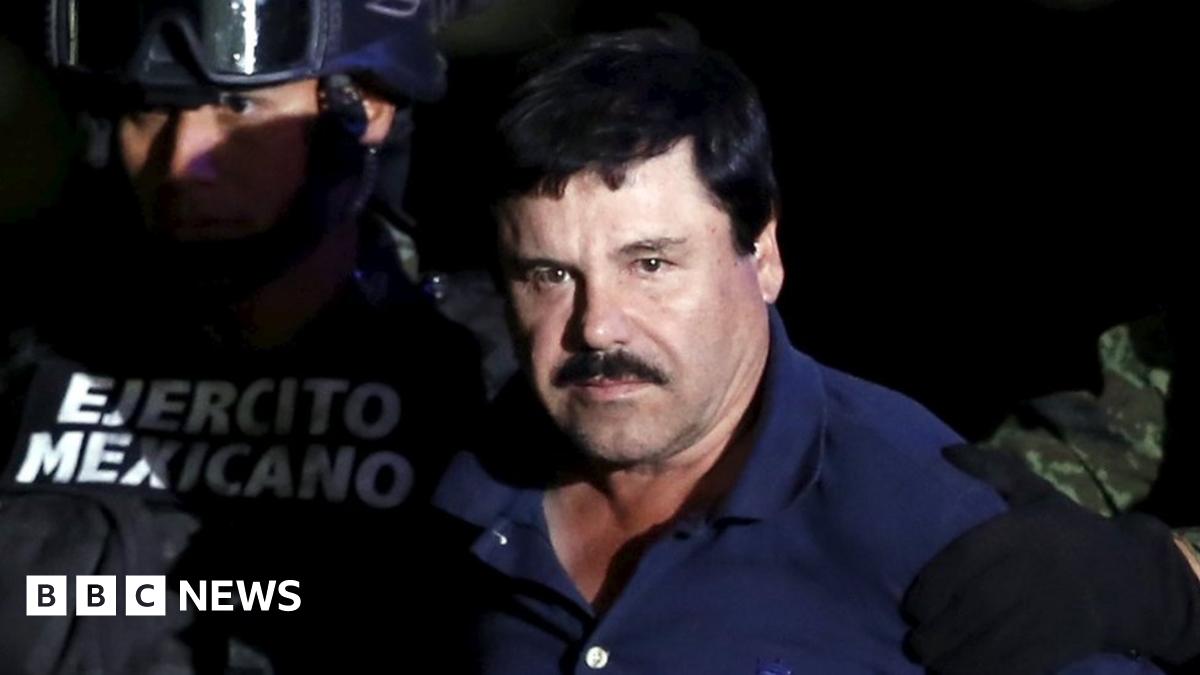
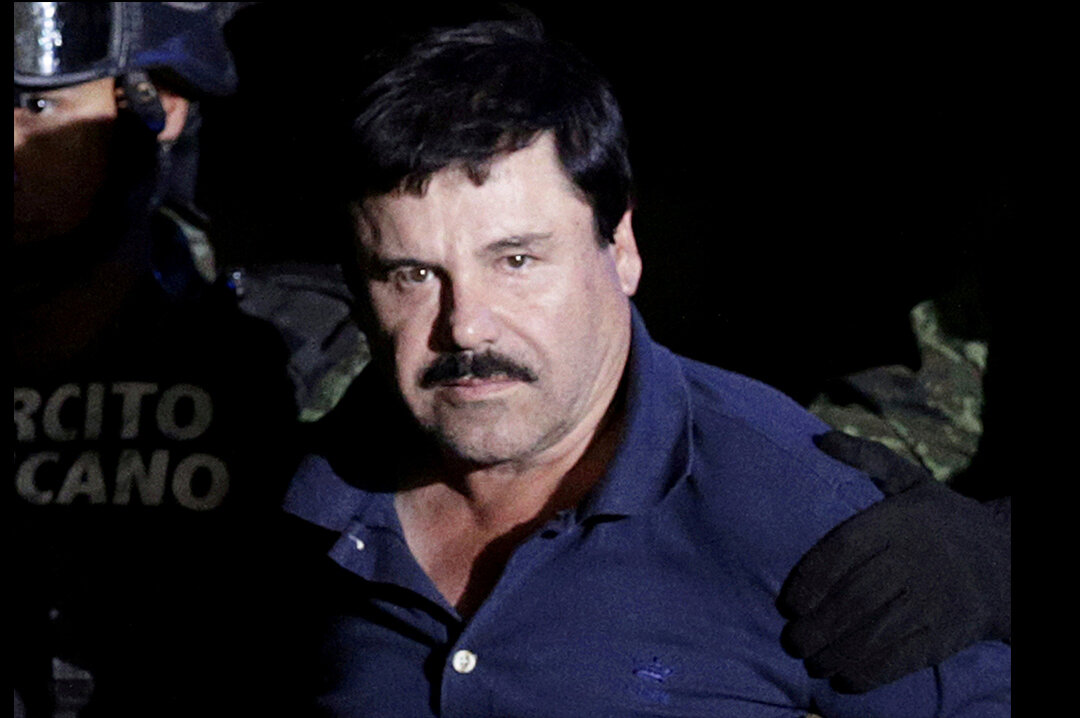
El Chapo’s Empire: From $ to $ Billion
Introduction

The trajectory of Joaquín 'El Chapo' Guzmán is one of the most studied criminal enterprises in modern history. From humble beginnings in the mountains of Sinaloa, Mexico, Guzmán transformed a fragmented regional smuggling network into a sophisticated, multinational corporation. Understanding the financial journey—moving From $ to $ Billion: How El Chapo’s Illicit Trade Built His Empire’s Wealth!—requires looking past the sensationalized headlines and examining the logistics, business model, and economics of the Sinaloa Cartel.
The Early Days: Building the Supply Chain
Before achieving global notoriety, Guzmán started as a lieutenant for Miguel Ángel Félix Gallardo, the godfather of the Guadalajara Cartel. When Gallardo was arrested in 1989, the cartel fractured. Guzmán seized the opportunity to carve out his own territory in the coastal state of Sinaloa.
During the late 1980s and early 1990s, the primary route for South American cocaine into the United States ran through the Caribbean and Florida. When U.S. law enforcement cracked down on those routes, Colombian cartels needed new entry points. Guzmán capitalized on this by offering a land-based alternative through Mexico, utilizing his deep knowledge of the rugged terrain along the U.S.-Mexico border.
Logistics and Innovation
Guzmán was not merely a brute-force criminal; he operated with the efficiency of a Fortune 500 CEO. To maximize profit margins and minimize risk, he revolutionized drug trafficking through several key innovations:
- Sophisticated Tunnels: El Chapo pioneered the use of sophisticated, concrete-reinforced cross-border tunnels equipped with electricity, ventilation, and rail systems to bypass U.S. border security.
- Diverse Transport Methods: Under his command, the Sinaloa Cartel used everything from private jets and fishing boats to submarines and commercial shipping containers loaded with legitimate produce.
- Vertical Integration: Rather than relying on middlemen, Guzmán established direct relationships with cocaine producers in Colombia and Peru, controlling the product from the jungle to the streets of American cities.
Scaling the Business: Diversification and Markets
A static business model fails in the global underworld. As enforcement agencies adapted, Guzmán diversified his product line. While cocaine remained a massive revenue generator, the Sinaloa Cartel heavily expanded into methamphetamine production in the late 1990s and early 2000s, sourcing precursor chemicals from Asia.
Furthermore, as the U.S. opioid epidemic gathered momentum, the cartel shifted massive resources toward heroin and, eventually, fentanyl production. Fentanyl proved to be an economic goldmine: it was exponentially cheaper to produce than heroin, required far less physical space to smuggle, and yielded astronomical profit margins on a per-gram basis.
Video: How El Chapo Built a $14 Billion Empire

The Mechanics of Money Laundering
Generating billions of dollars in cash creates a massive logistical nightmare. Cash is heavy, bulky, and difficult to move across international borders undetected. To legitimize his illicit fortunes, Guzmán relied on a vast, global network of corrupt bankers, shell companies, and front businesses.
Cash generated in U.S. cities was routinely bundled and smuggled back across the border into Mexico or laundered through international financial institutions. The U.S. Department of the Treasury repeatedly sanctioned front companies tied to the Sinaloa Cartel, ranging from commercial airlines and real estate firms to pharmacies and agricultural exporters.
By integrating dirty money into legitimate commercial enterprises, Guzmán created a buffer that protected his assets even when shipments were seized by law enforcement.
The Human and Economic Cost
The staggering accumulation of wealth—with Forbes magazine at one point estimating Guzmán's personal fortune at $1 billion—came with an unimaginable human toll. The financial success of the Sinaloa Cartel was sustained by extreme violence, systemic corruption of public officials, and the devastation of communities on both sides of the border.
Guzmán famously spent millions on bribes, often boasting that his ultimate weapon was not an assault rifle, but money. By paying off local police, high-ranking military officials, and politicians, he ensured operational security and maintained a competitive edge over rival organizations like the Juárez and Gulf cartels.
Conclusion
The transition of Joaquín Guzmán Loera from a minor player to a global billionaire highlights the adaptability of modern transnational crime. By treating drug trafficking like a multinational corporation—focusing on supply chain optimization, product diversification, and aggressive market expansion—he built an empire that survived his capture, extradition, and life sentence in a U.S. maximum-security prison. The economic blueprint of the Sinaloa Cartel remains a benchmark for illicit enterprises worldwide.