El Chapo’s Hidden Billion: The Raw Financial Power
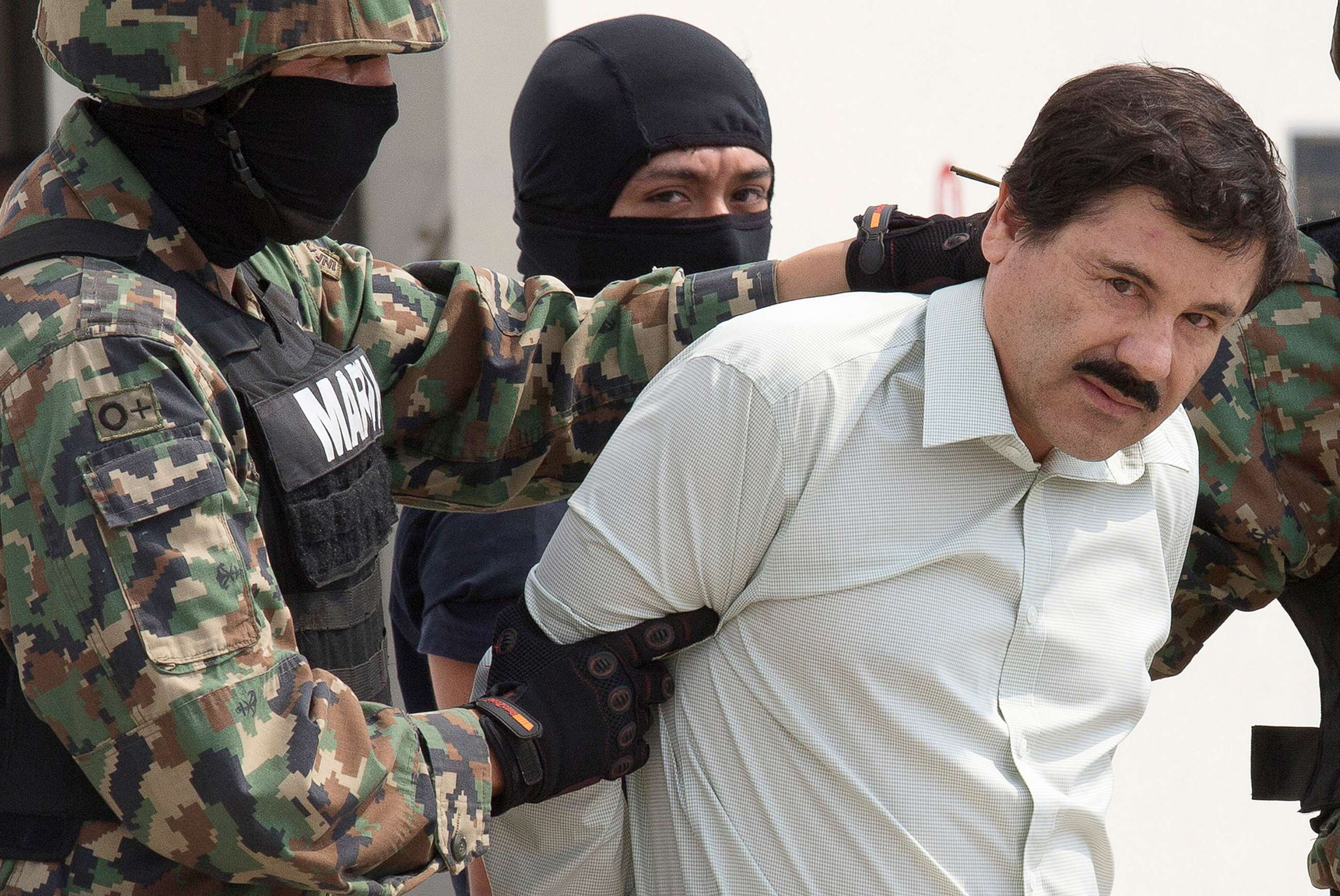
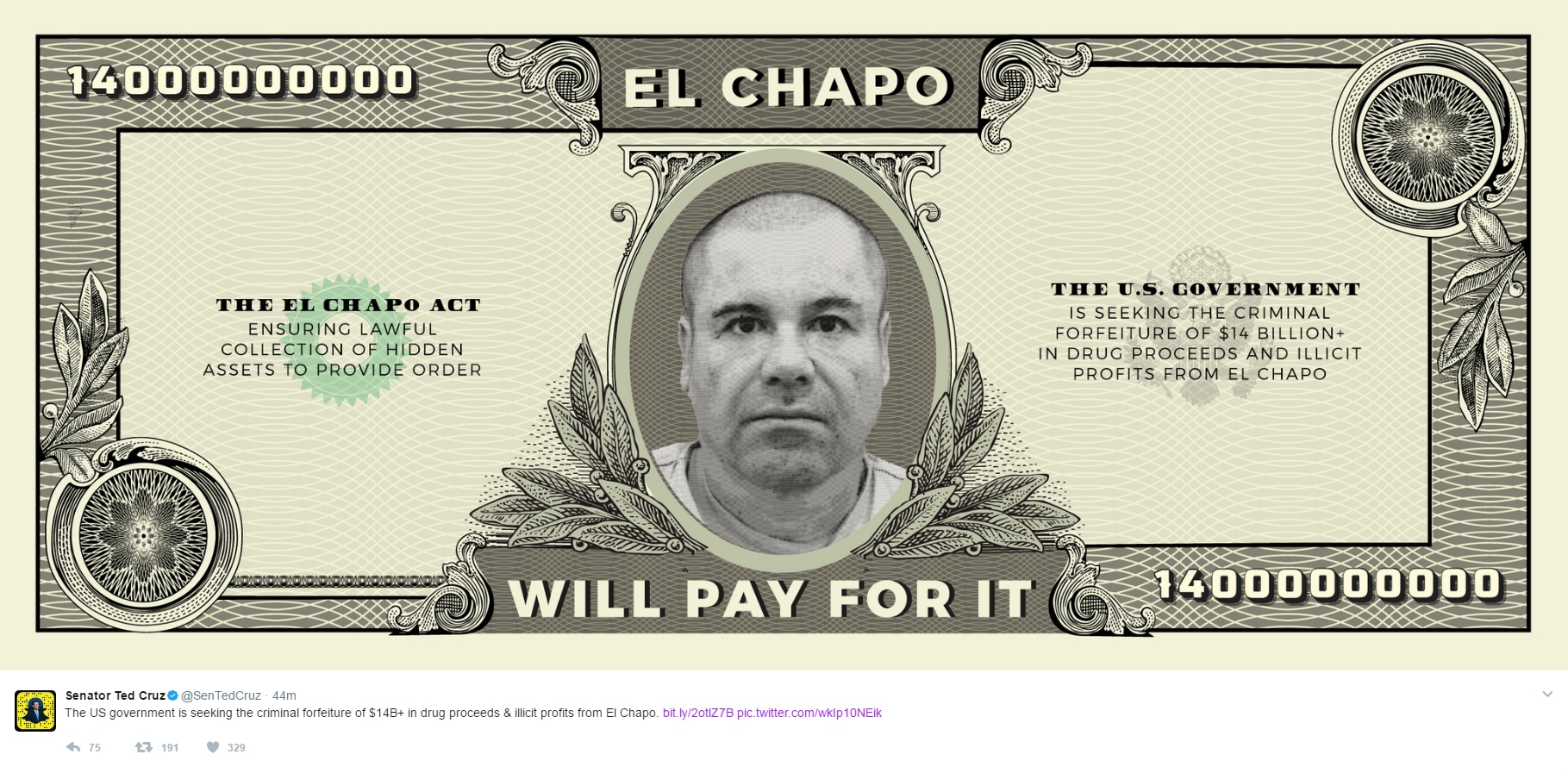
When Joaquín "El Chapo" Guzmán was sentenced to life plus 30 years in a maximum-security prison in 2019, the United States government ordered him to forfeit $12.6 billion. This staggering figure represented the estimated proceeds of his decades-long reign over the Sinaloa Cartel. Yet, despite capturing the world's most infamous kingpin, authorities have largely failed to recover a single dime of this colossal fortune. The myth and reality of El Chapo’s hidden billion: the raw financial power behind his empire continue to fascinate investigators, economists, and true-crime enthusiasts alike.

The Rise of a Multi-Billion Dollar Enterprise
To understand the true scale of Guzmán's wealth, one must look at the business model of the Sinaloa Cartel. Unlike traditional hierarchical gangs, the Sinaloa organization operated more like a modern multinational corporation. It utilized a franchise model, outsourcing specific tasks like transport, security, and wholesale distribution to trusted regional partners.
At its peak, the cartel smuggled tons of cocaine, heroin, methamphetamine, and marijuana into the United States, Europe, and Asia. The profit margins in the international drug trade are astronomical. A kilo of cocaine purchased for a few thousand dollars in South America could be sold on the streets of US cities for tens of thousands. Multiply that by hundreds of tons annually, and the revenue stream becomes incomprehensibly vast. In 2009, Forbes even added Guzmán to its billionaires list, estimating his net worth at $1 billion, a claim the cartel leader vehemently denied while simultaneously leveraging it for supreme underworld prestige.
How the Money Was Laundered
Generating billions in cash creates a massive logistical nightmare: how do you spend or store rooms full of physical currency? Cash is heavy, bulky, and difficult to move across international borders without drawing the scrutiny of law enforcement. To solve this, El Chapo relied on sophisticated global money laundering networks.
The Role of Front Businesses and Banks
Cartels cannot simply walk into a bank and deposit suitcases of cash without triggering anti-money laundering (AML) protocols. Instead, Guzmán utilized a complex web of legitimate and illegitimate front businesses:
Agricultural and Commercial Fronts: The cartel invested in mining companies, commercial fisheries, and vast agricultural networks to mix illicit drug cash with legal business revenues.
Corrupt Financial Institutions: Over the years, major international banks were repeatedly caught laundering cartel money due to lax oversight or intentional complicity, allowing billions to move seamlessly through the global financial grid.

Trade-Based Money Laundering: Cash was often used to buy consumer goods, appliances, or gold, which were then shipped to Mexico and sold, converting dirty drug dollars into clean commercial assets.
Cryptocurrency and Modern Smuggling
In his later years, Guzmán and his associates adapted to modern technology. While traditional cash couriers flying across borders remained a staple, the cartel increasingly experimented with digital assets, shell companies in tax havens, and wire transfers through micro-transactions to obfuscate the paper trail.
Where Is the Fortune Today?
Despite the US government's $12.6 billion forfeiture order, federal agents have recovered virtually none of El Chapo’s hidden liquid assets. There are several reasons for this missing treasure:
First, cash is ephemeral. Much of the daily revenue was immediately reinvested into the business—paying for bribes, weapons, cartel payroll, private airstrips, and tunnels. Operating a global syndicate of that size requires staggering operational costs.
Second, the money is heavily fragmented. Unlike a dictator with a centralized Swiss bank account, Guzmán distributed wealth among family members, trusted lieutenants, political allies, and corrupt officials across multiple countries. Much of the wealth was converted into real estate, luxury vehicles, and cattle ranches registered under third-party names.
The Legacy of Narco-Capitalism
The story of El Chapo's fortune is not just about one man's greed; it is a testament to the resilience of the global underground economy. Even with Guzmán behind bars, the Sinaloa Cartel continues to generate billions under new leadership, proving that the financial infrastructure he built outlived his freedom. The hunt for his hidden riches remains one of the greatest unfulfilled quests in modern financial law enforcement.