El Paso County Jury Summons Scam: What to Watch Out For
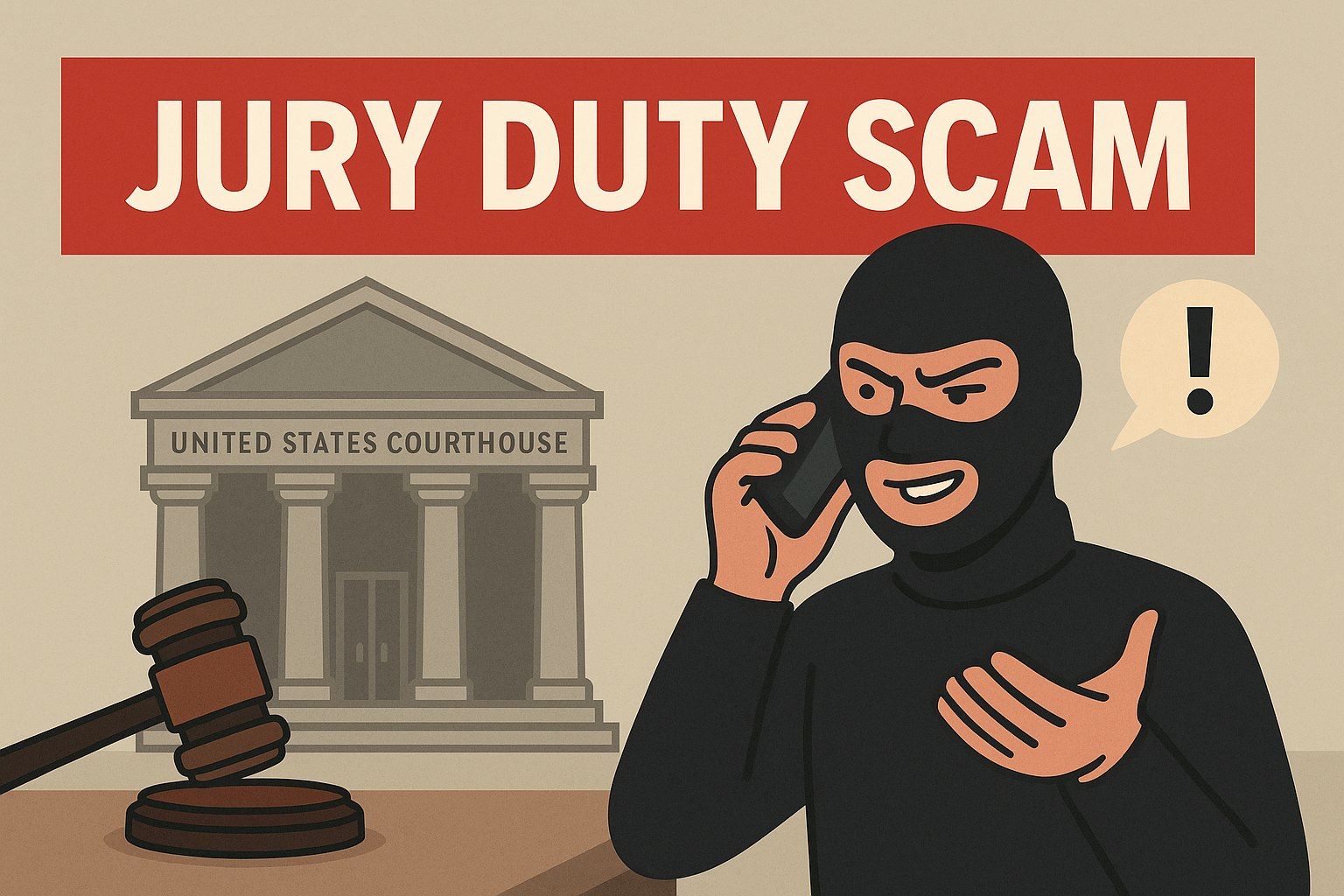
If you receive an urgent phone call claiming you missed jury duty and face immediate arrest, you are not alone. Law enforcement agencies and court officials regularly issue an El Paso County jury summons scam alert - what to watch out for to warn residents about aggressive fraudsters targeting the community. These criminals use psychological pressure, caller ID spoofing, and the names of real local officials to extract hundreds or thousands of dollars from unsuspecting citizens.

Understanding how this scam operates, recognizing the telltale warning signs, and knowing official judicial procedures will ensure you never fall victim to these extortion attempts.
How the El Paso County Jury Duty Scam Works
The mechanics of the jury summons scam rely almost entirely on fear and urgency. Con artists know that most people take legal obligations seriously and dread the thought of having an active warrant for their arrest. The scheme typically unfolds in several predictable stages:
- The Initial Contact: You receive an unexpected call, often from a local number. The caller identifies themselves as a deputy, sergeant, lieutenant, or court clerk from El Paso County.
- Caller ID Spoofing: Scammers manipulate caller ID technology to display the actual name and telephone number of the El Paso County Sheriff’s Office or District Court.
- The Allegation: The caller informs you that a jury summons was delivered to your address, you failed to appear, and a judge has issued a bench warrant or citation for contempt of court.
- The Threat of Immediate Arrest: You are told that patrol officers are en route to your home or workplace to take you into custody unless you post a bond, pay a fine, or complete a civil assessment immediately.
- The Unorthodox Payment Demand: To cancel the warrant, the caller directs you to stay on the phone, withdraw cash, and deposit funds through a cryptocurrency kiosk (Bitcoin ATM), wire transfer, or prepaid money cards (such as Green Dot, MoneyPak, or retail gift cards).
El Paso County Jury Summons Scam Alert - What to Watch Out For
While the callers sound authoritative and may cite real legal statutes, real judges, and legitimate badge numbers, their demands completely contradict standard judicial procedures. Keep these major red flags in mind whenever you receive a suspicious call:
1. Demands for Immediate Payment Over the Phone
No legitimate court or law enforcement agency will ever call you demanding payment over the phone to clear an arrest warrant. Real judicial processes do not require immediate phone-based financial settlements.
2. Requests for Unconventional Payment Methods
Government agencies accept standard, traceable payment methods such as official cashier’s checks, certified mail payments, or secure transactions through accredited online court portals. They will never accept or demand:
- Store-branded gift cards (Target, Apple, Walmart, etc.)
- Prepaid reloadable debit cards (Green Dot, Vanilla Visa)
- Cryptocurrency transactions via Bitcoin ATMs
- Peer-to-peer mobile payments (Zelle, Venmo, Cash App)
3. Orders to Stay on the Line
Scammers insist that you remain connected while driving to your bank or a retail store. They do this deliberately to prevent you from hanging up, calling family, or contacting official court clerks to verify their claims. A genuine officer will never order you to stay on the phone while completing financial transactions.
4. Threats of Secrecy or Gag Orders
Callers may claim you are subject to a federal or state gag order and threaten that speaking to bank tellers, store clerks, or family members will lead to additional obstruction of justice charges. This is pure intimidation designed to keep you isolated.
5. Requests for Sensitive Personal Data
Fraudsters frequently claim they need to verify your identity before processing paperwork, asking for your full Social Security number, date of birth, mother’s maiden name, or bank account details. This information can be weaponized for subsequent identity theft.
How El Paso County Courts Actually Handle Jury Summons
Legitimate jury administration operates under strict statutory guidelines designed to ensure transparency, fairness, and due process. Knowing how the court actually functions dispels the fear scammers rely upon:
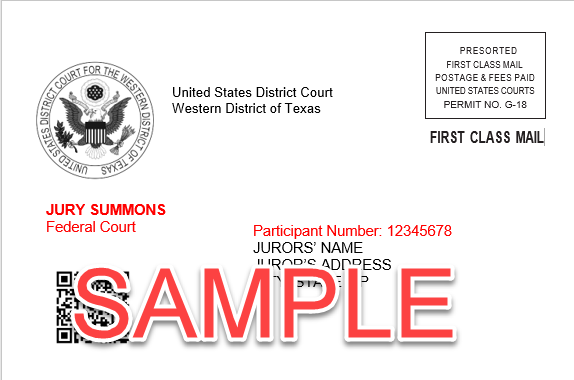
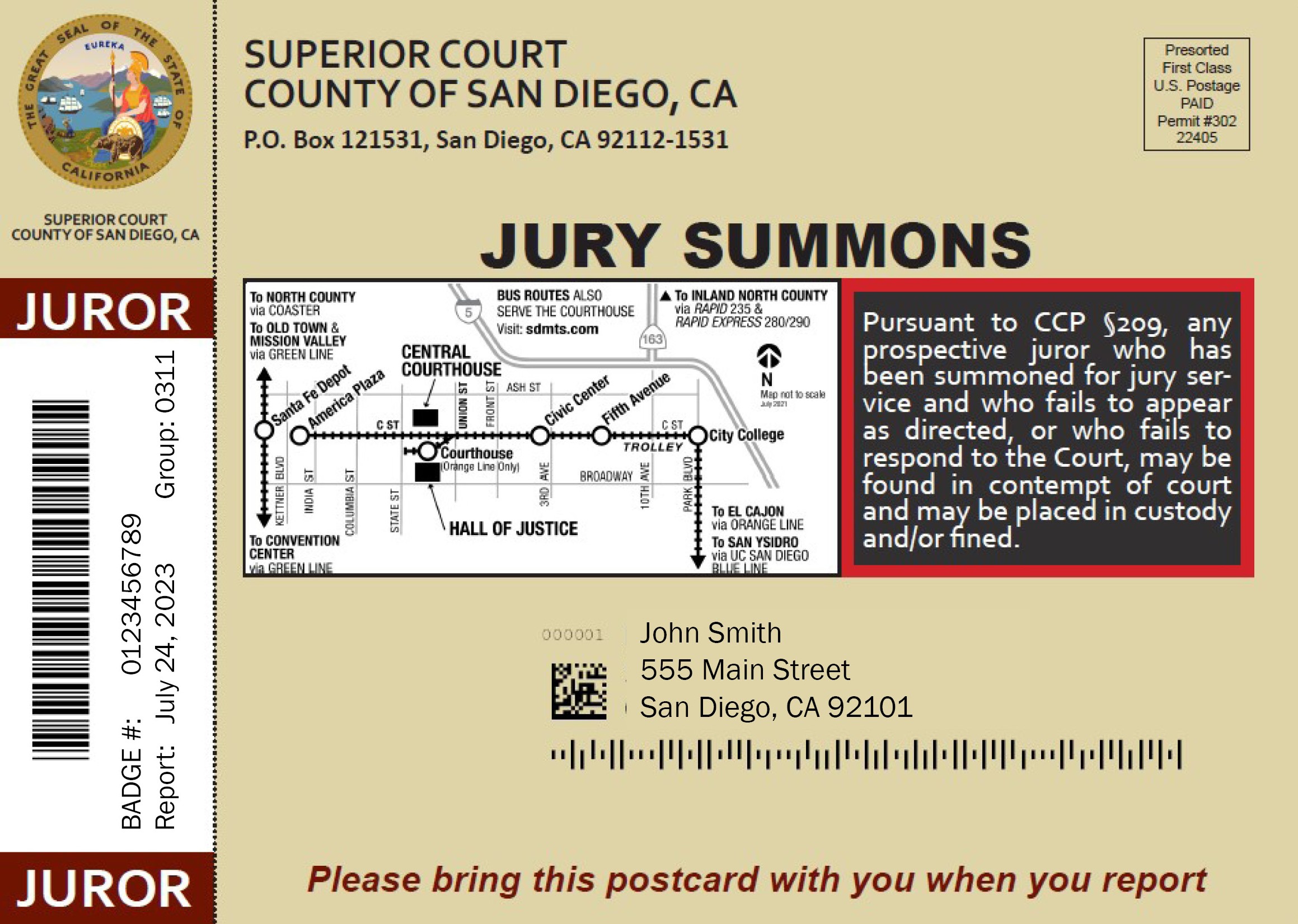
- Official Correspondence Arrives by Mail: Jury qualification questionnaires and summons notices are delivered via the United States Postal Service. They contain clear reporting dates, juror numbers, and official contact information.
- Failure to Appear Follow-Ups: If you miss jury duty, the court will typically send a follow-up failure-to-appear notice by regular or certified mail, instructing you to reschedule or contact jury administration.
- Judicial Review: Before any fine is levied or warrant considered, a citizen is granted an opportunity to provide a reasonable excuse. Sanctions are determined inside a courtroom by a judge, never arbitrarily negotiated by an individual officer over the phone.
What to Do If You Receive a Suspicious Call
If you pick up a call fitting this description, take the following steps immediately to protect yourself:
- Hang Up: Do not engage in an argument, do not explain yourself, and do not provide any personal details. Simply end the call.
- Do Not Call the Number Back: Never use the redial button or call back numbers provided by the caller or left on your voicemail.
- Verify Independently: If you are concerned about your actual jury status or legal standing, look up the official phone number for the El Paso County Clerk of Courts or Jury Administration Office online and call them directly.
- Report the Incident: File a report with local law enforcement through their non-emergency telephone line. You should also report the call to the Federal Trade Commission (FTC) at reportfraud.ftc.gov.
What to Do If You Already Shared Information or Sent Money
If you realize you have been defrauded, acting quickly can help mitigate your losses and protect your identity:
Contact Your Financial Institutions: If you transferred money from a bank account, alert your bank’s fraud department immediately. While funds sent via gift cards or wire transfers are rarely recoverable, banks can freeze compromised accounts and stop unauthorized withdrawals.
Report Gift Card Details: If you bought prepaid or retail gift cards, contact the card issuers directly. If the fraudster has not yet drained the balance, the issuer may occasionally freeze the card.
Freeze Your Credit: If you revealed your Social Security number or birth date, place a security freeze on your credit files with the three major bureaus: Experian, TransUnion, and Equifax. This prevents identity thieves from opening new loans or credit cards in your name.
File a Formal Police Report: Visit your local law enforcement agency to file a formal police report. Keep a copy of this report, as banks, credit agencies, and insurance providers will require it when disputing fraudulent activity.
Final Thoughts
Jury service is an essential civic duty, and scammers continually exploit the public's respect for the legal system. Remember the cardinal rule: no legitimate court or law enforcement official in El Paso County will ever demand payment over the phone to cancel an arrest warrant. Staying calm, hanging up, and verifying claims independently will keep your money and identity safe.