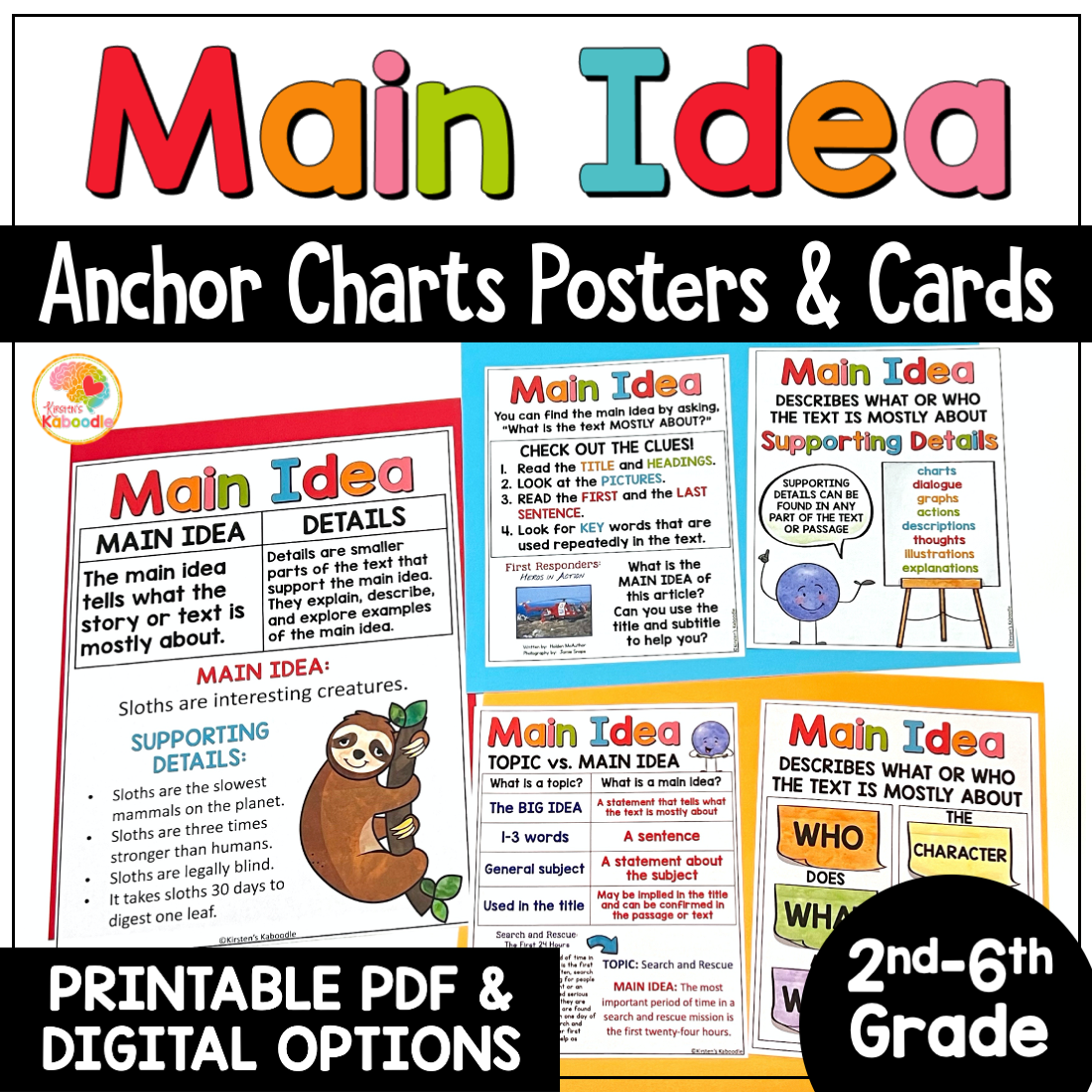
Elegant Main Idea and Details Charts for Your Wall
Anchor charts are fundamental tools in reading instruction, but traditional classroom posters often lean toward neon cardstock, hurried handwriting, and visual clutter. When setting up a refined homeschool room, an intentional modern classroom, or an executive study corner, you do not have to sacrifice aesthetic harmony for educational utility. Installing elegant main idea and details charts for your wall creates an inviting environment where literary analysis feels intuitive, organized, and visually calming.

By swapping chaotic visuals for deliberate typography, muted tones, and architectural layouts, you can anchor literacy lessons without overwhelming the senses. Here is how to select, style, and utilize sophisticated main idea graphic organizers that elevate your wall space and your learners’ comprehension.
The Science Behind Calmer Visual Anchors
Educational research rooted in Cognitive Load Theory shows that overly saturated, chaotic classroom walls can actually distract learners and impede working memory. When an educational chart uses clashing primary colors and excessive clip art, a student's brain must expend cognitive energy filtering out irrelevant stimuli just to find the core message.
A well-curated anchor chart applies fundamental design principles—whitespace, visual hierarchy, and balanced contrast—to mirror the way our minds categorize information:
- Clear Hierarchy: A prominent, anchored header signals the overarching theme or central argument.
- Predictable Groupings: Visually distinct branches, columns, or cards cleanly house supporting evidence.
- Subdued Palettes: Tones such as warm taupe, slate, olive, and soft cream keep the focus squarely on the content rather than the container.
Designing Elegant Main Idea and Details Charts for Your Wall
When selecting or crafting a display piece, look for graphic frameworks that naturally organize thought. The best layouts translate complex reading passages into clean, memorable geometry.
1. The Architectural Pillar Layout
Modeled after classical architecture, this layout features a substantial top horizontal block (the entablature) representing the main idea, supported by three to four vertical columns (the pillars) representing supporting details. A shared foundation block at the bottom summarizes the conclusion. This structure works exceptionally well for nonfiction and persuasive essays where arguments physically support an assertion.
2. The Modern Radial Hub
Rather than a chaotic spider web, a modern radial organizer uses clean, fine lines radiating outward from a centered geometric medallion. The central circle houses the primary theme or thesis statement, while connected capsules contain key text evidence. This layout is especially effective for thematic literary analysis, poetry, or character studies where details connect back to an abstract core concept.
3. The Tiered Minimalist Hierarchy
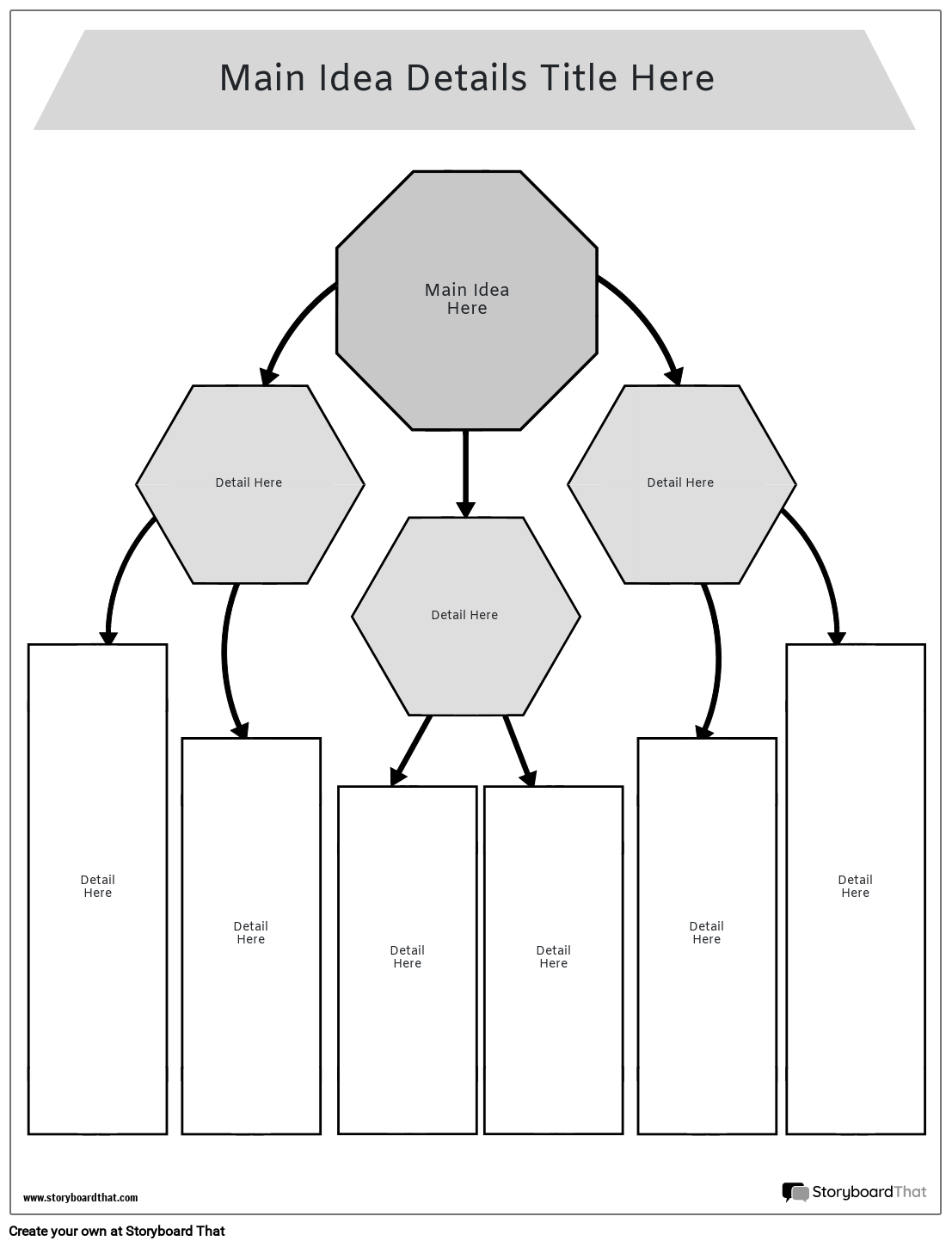
Similar to an executive organizational chart, this system starts with a single boxed card at the top, branching downward through refined connector lines into secondary tiers. If you are teaching complex informational texts with major headings and micro-details, this format offers the logical rigor necessary for advanced readers.
Video: Main Idea | Award Winning Main Idea and Supporting Details Teaching Video | What is Main Idea?

Refined Materials and Framing Methods
The medium you choose is just as important as the graphic design itself. Instead of sticking thin butcher paper to drywall with blue putty, treat your educational charts as functional art prints.
Magnetic Wooden Poster Hangers
Teak, walnut, or light oak magnetic hanger frames pinch the top and bottom of your chart without puncturing it. They introduce natural organic texture, hold heavyweight canvas or linen paper securely, and make swapping out units seamless throughout the school term.
Framed Matte Prints with Matting
If you have an overarching framework you reference year-round—such as the standard relationship between a thesis and textual citations—frame a high-resolution print behind non-glare museum glass. A wide white or cream mat board immediately turns an ordinary learning visual into a sophisticated study centerpiece.
Floating Acrylic Boards
For a contemporary, airy look, mount a clear acrylic panel with brass or brushed nickel standoffs. You can permanently etch or vinyl-line a minimalist main idea and details grid onto the back of the acrylic, leaving the glossy front surface free for dry-erase or wet-erase markers during interactive lessons.
Color Palettes That Inspire Focus
Color choices dramatically influence the mood of a study space. Move away from jarring neon tones and build your chart around cohesive, nature-inspired palettes:
- Earthy Warmth: Terracotta, sand, and espresso accents provide a cozy, grounded feel suitable for library corners.
- Nordic Cool: Fog gray, muted denim, and charcoal against crisp linen paper maximize readability while remaining unobtrusive.
- Botanical Serenity: Sage green, eucalyptus, and warm alabaster encourage tranquil, deep reading sessions.
Making an Elegant Chart Interactive
A wall chart should be a living reference tool, not static wallpaper. Maintaining an elegant look while engaging actively with text is easy with the right accessories:
- Transparent Sticky Notes: Translucent vellum sticky notes allow students to write supporting quotations and place them directly over the chart’s structural lines without masking the design beneath.
- Color-Coordinated Notes: Keep a ceramic dish filled with paper sticky pads in muted tones that match the poster palette, ensuring student additions look intentional.
- Fine-Tip Calligraphy or Chalk Markers: If your chart is laminated with a matte laminate or housed on acrylic, use fine-tip markers in black, slate gray, or warm sepia rather than harsh, thick primary markers.
Thoughtful design and meaningful learning do not belong in separate worlds. By mounting balanced, intentionally formatted charts on your wall, you teach learners how to organize their thoughts with clarity, grace, and focus.