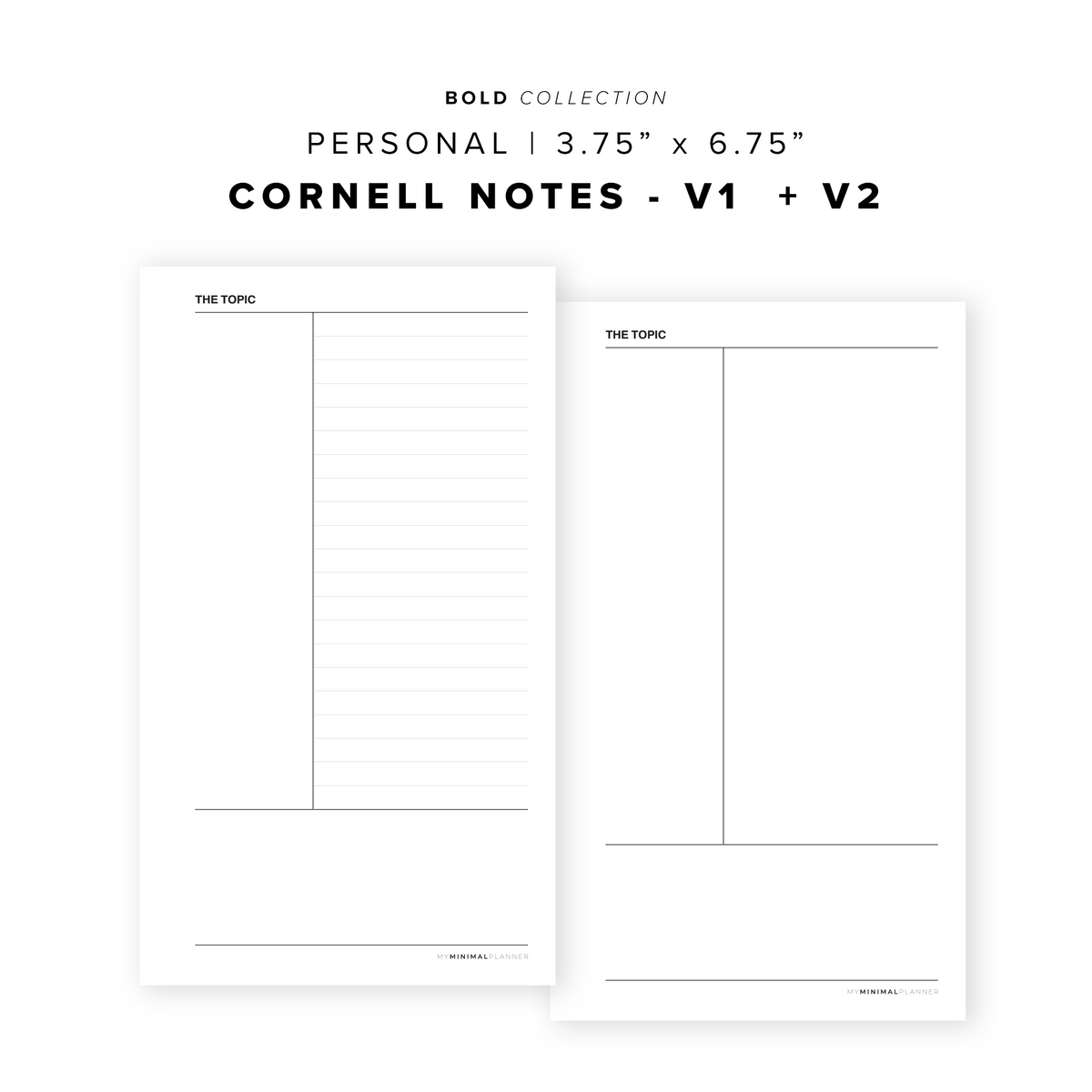
Elevate Style with Minimalist Cornell Prints
Collegiate wall decor has undergone a dramatic evolution. For decades, displaying school pride meant tacking up glossy athletic posters, oversized felt pennants, or traditional diploma frames that felt confined to a dark study. Today, alumni, current scholars, and design enthusiasts seek a more refined approach to nostalgia. You can effortlessly elevate style with minimalist Cornell prints, blending meaningful memories of Ithaca’s dramatic landscapes with sleek, contemporary interior aesthetics.

Minimalist art relies on the philosophy that less is more. By stripping away extraneous details and focusing on clean lines, architectural geometry, and balanced negative space, these prints capture the spirit of Cornell University in a way that harmonizes with modern home design.
The Appeal of Minimalist Campus Artwork
Traditional collegiate memorabilia often features saturated primary colors and busy compositions that can clash with contemporary decor schemes like Scandinavian, mid-century modern, or industrial chic. Minimalist art solves this design dilemma through several key characteristics:
- Restrained Color Palettes: Instead of stark, aggressive crimson everywhere, minimalist designs often use monochrome line work, subdued Cornell red accents, or neutral cream backgrounds that integrate smoothly with existing furniture and paint tones.
- Architectural Focus: Cornell’s campus is an architectural showcase, from gothic stone facades to brutalist icons. Minimalist renderings distill complex masonry into elegant silhouettes.
- Timeless Sophistication: Clean lines do not date quickly. A well-designed architectural sketch or minimalist map remains stylish long after graduation day.
Iconic Cornell Subjects Suited for Minimalist Art
Cornell University offers some of the most visually distinctive terrain in higher education. When translated into a minimalist format, certain landmarks stand out with particular elegance.
1. McGraw Tower and Uris Library
Rising above Libe Slope, McGraw Tower is arguably Cornell’s most recognizable silhouette. A minimalist print capturing the clean vertical spire against open negative space creates a striking focal point. Whether depicted via continuous one-line art or a high-contrast vector silhouette, the tower’s proportions provide vertical lift to any gallery arrangement.
2. The Bridges and Gorges
Ithaca is defined by its gorges, and the suspension bridges spanning Fall Creek and Cascadilla Gorge offer exceptional geometric patterns. Minimalist prints featuring the clean wire lines of the Thurston Avenue Bridge or the graceful curve of the suspension bridge celebrate Cornell’s dramatic natural geography through an engineering lens.
3. The Herbert F. Johnson Museum of Art
Designed by legendary architect I.M. Pei, the Johnson Museum is already a masterpiece of architectural minimalism. Prints that emphasize its bold concrete cutouts, cantilevered upper floors, and framed views of Cayuga Lake fit naturally within contemporary art collections.
4. Campus Cartography and Topography
Minimalist map prints have become a staple of urban interior design. A clean, coordinates-based map of the Ithaca campus—highlighting the contours of East Hill and the paths across the Arts Quad—offers an understated tribute that prompts conversation without shouting school affiliation.
How to Elevate Style with Minimalist Cornell Prints
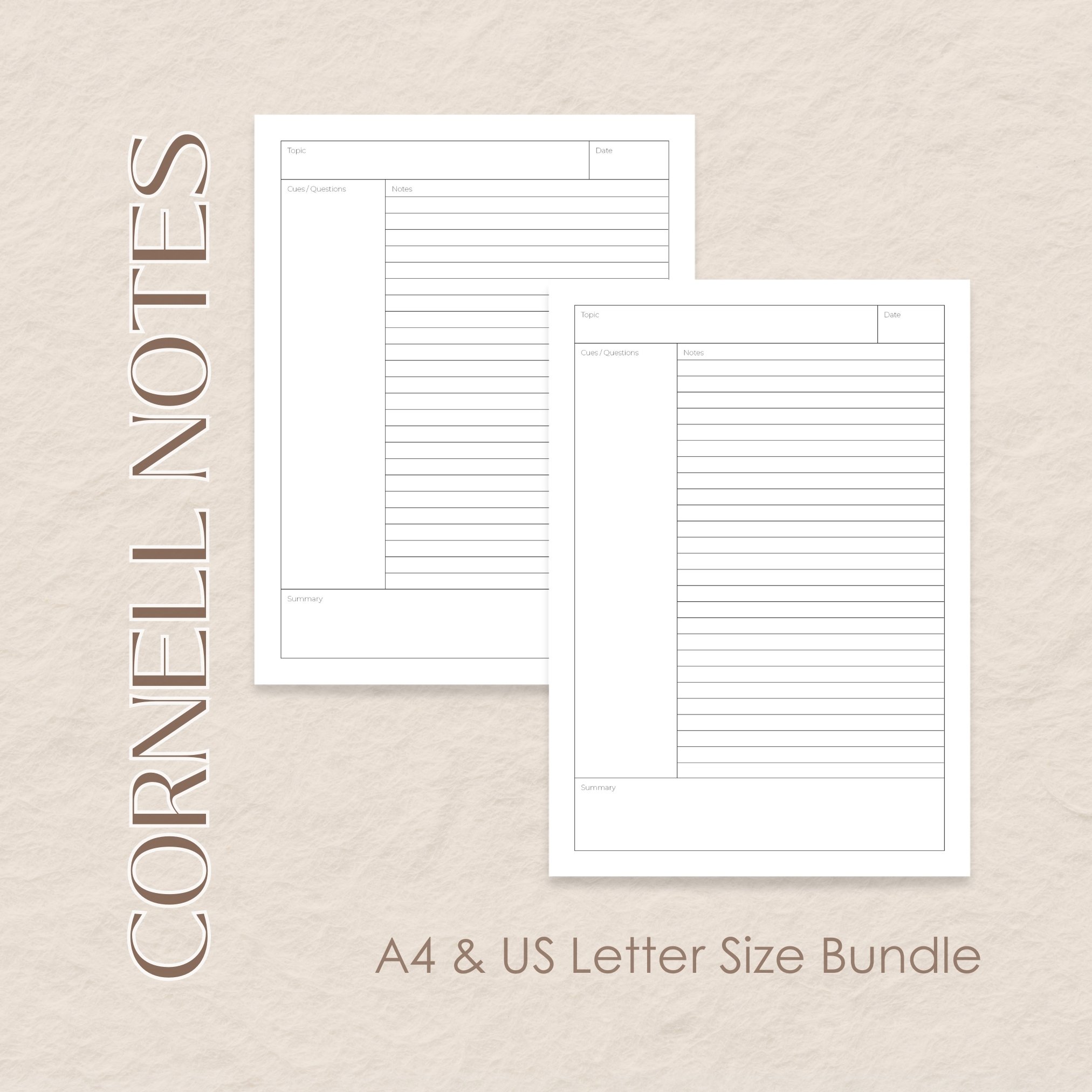
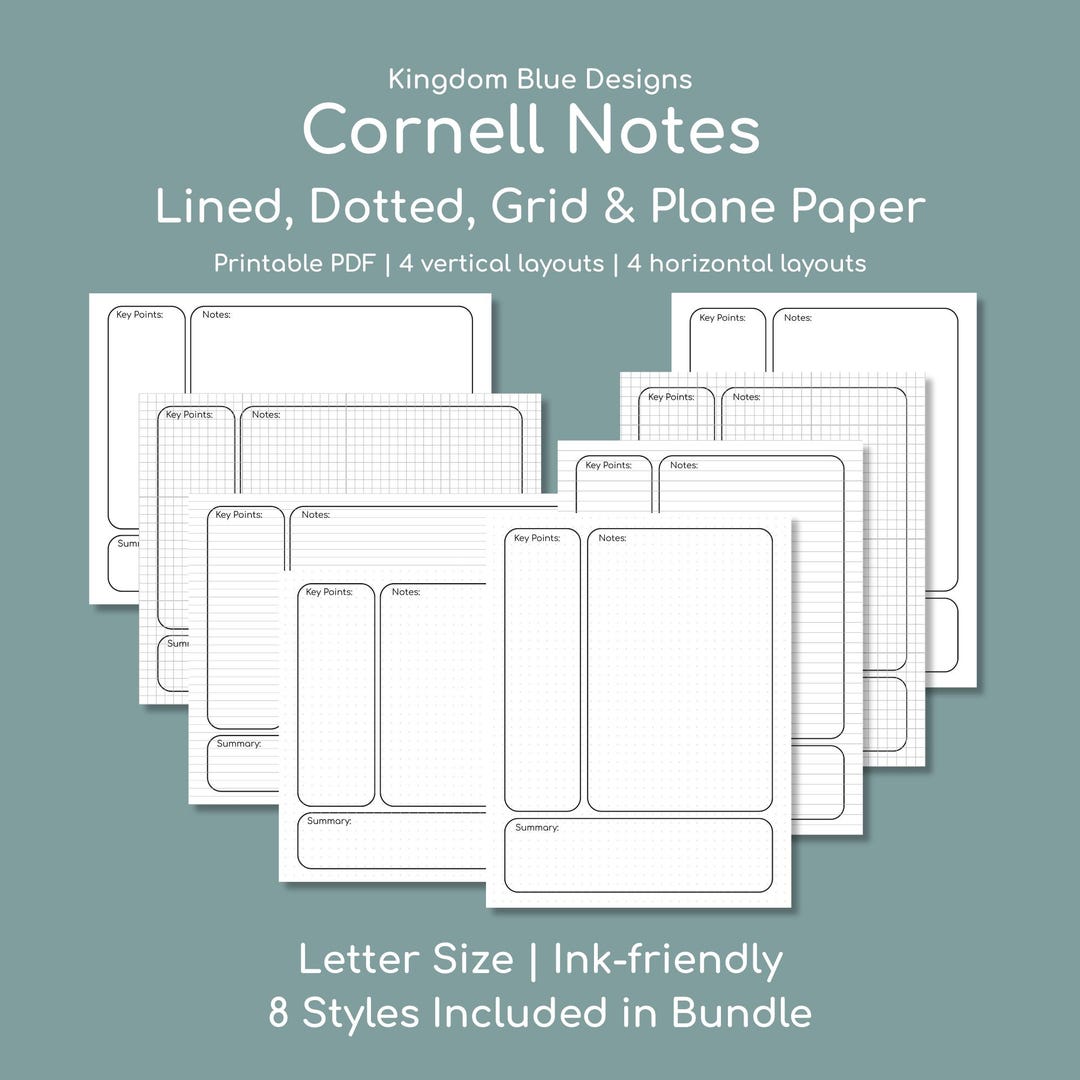
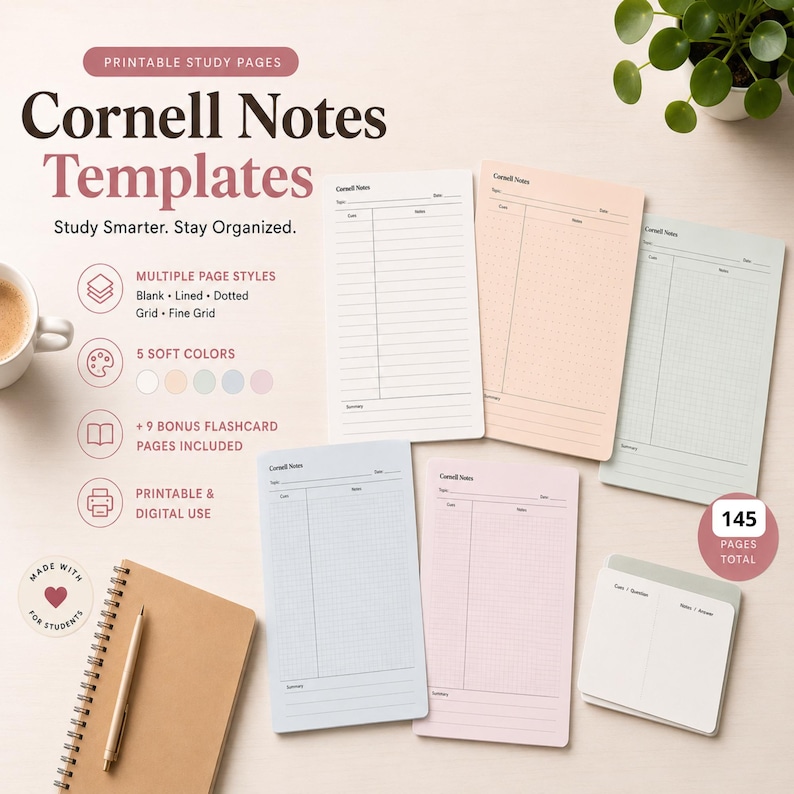
Video: How to Use Cornell Notes
Choosing the right artwork is only half the battle; how you present and integrate the pieces determines their overall aesthetic impact. Follow these styling strategies to create a cohesive, gallery-quality display.
Select High-End Framing
The frame you choose dramatically influences the finished look. Avoid cheap plastic poster frames with reflective plexiglass. Instead, opt for:
- Thin Metal Profiles: Matte black, brushed brass, or aluminum frames provide crisp borders that complement minimalist line work.
- Natural Hardwoods: Light oak or walnut frames add warmth, grounding black-and-white prints and connecting visually to natural wood shelving or desks.
- Generous Matting: A wide, archival-white mat (two to three inches) provides breathing room around the print, giving modest paper sizes an elevated, museum-grade presence.
Master the Balance of Scale
A single, oversized print (such as 24x36 inches) of a minimalist McGraw Tower makes a bold, confident statement above a credenza or sofa. If you prefer smaller formats (like 8x10 or 11x14 inches), arrange them as a triptych. A series of three matching prints—for instance, McGraw Tower, Bailey Hall, and the Johnson Museum—creates visual rhythm along a hallway or above an office desk.
Integrate with Complementary Decor
Let your artwork interact with the objects around it. Pair a framed print with:
- A small potted plant, such as a snake plant or trailing pothos, to echo the natural greenery of the Finger Lakes.
- Architectural or design-focused coffee table books.
- Mid-century task lamps or minimalist sconces that cast targeted, warm light over the frame.
Room-by-Room Styling Ideas
The Professional Home Office
In a home office or executive suite, artwork sets the tone for professionalism and personal heritage. Hang a high-contrast architectural print of the Arts Quad directly in your webcam background. It serves as an elegant icebreaker during virtual meetings, communicating your educational background with understated confidence rather than overt collegiate branding.
The Modern Living Room
Living rooms require balance to avoid looking like a campus museum. Blend a minimalist Cornell topography print into a diverse gallery wall alongside abstract oil paintings, family photography, and botanical sketches. Using consistent frame finishes ties the varied media into a harmonious collection.
The Entryway or Foyer
The entryway offers the first impression of your home. A single, refined print depicting the coordinates of Cornell (42.4534° N, 76.4735° W) positioned above a console table provides a welcoming, personal touch that feels subtle, modern, and curated.
Choosing the Right Paper and Print Quality
To ensure your artwork retains its visual impact over time, pay close attention to material specifications. Look for prints produced using giclée printing methods on heavy, acid-free archival matte paper (typically 200 to 300 gsm). Matte finishes prevent glare from nearby windows and interior lighting, preserving the depth of the ink and the crisp clarity of fine lines.
By blending the storied history of Cornell University with the restraint of minimalist art, you create an environment that honors your personal journey while prioritizing sophisticated, enduring interior design.