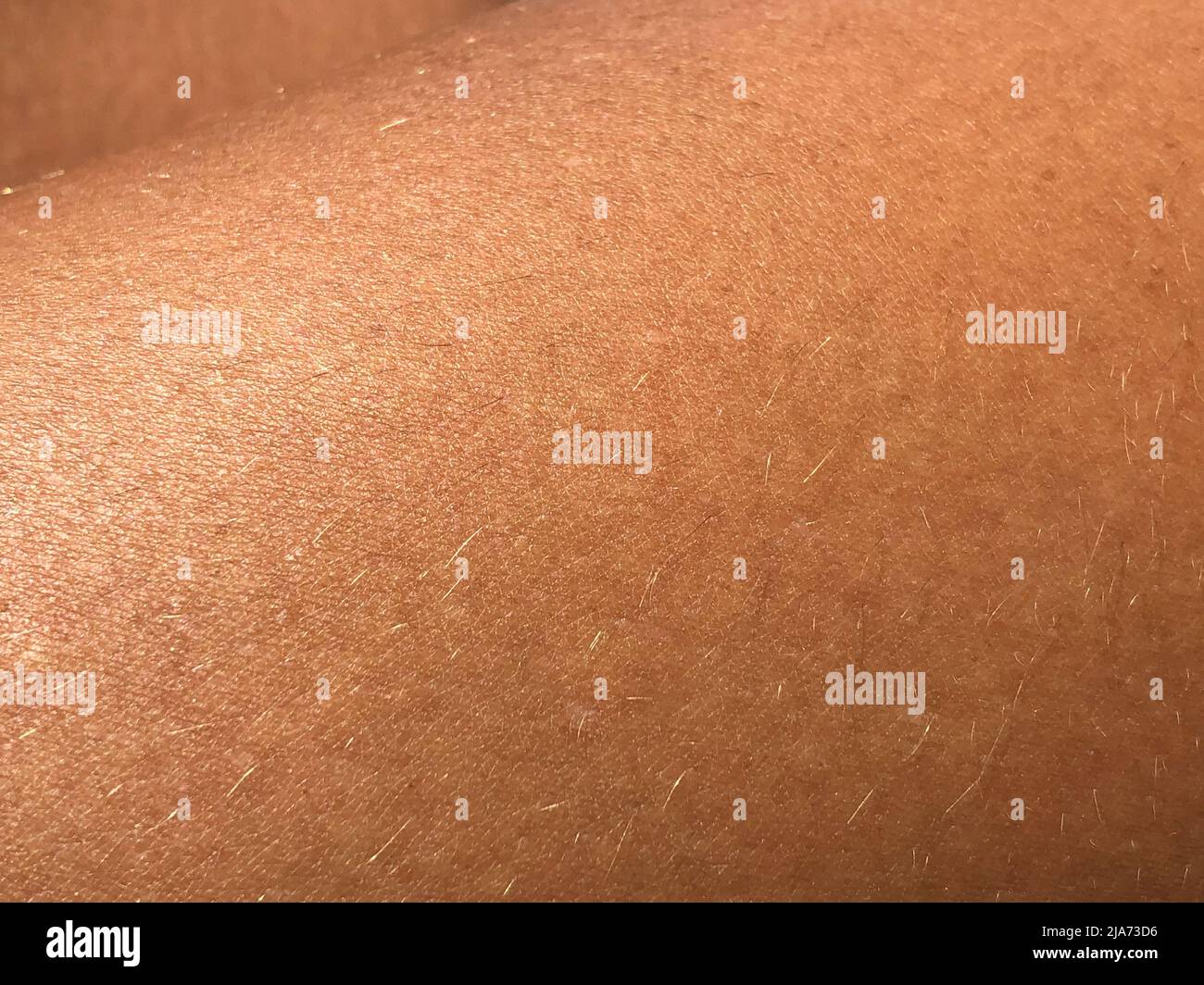
Embracing Mature Tan Lines: What You Need to Know
Body art painted by the sun has long been a symbol of summer, leisure, and outdoor living. However, as our bodies change over the decades, the way our skin reacts to ultraviolet (UV) light shifts as well. Dealing with mature tan lines requires a different approach than it did in our twenties. Thinning skin, shifts in elasticity, and a lifetime of accumulated sun exposure mean that tanning is no longer just an aesthetic choice—it is a matter of skin health.

Understanding how mature skin tans, fades, and holds onto pigment can help you make safer choices under the sun. Whether you are looking to prevent harsh contrast lines or learn how to care for already sun-kissed skin, this guide covers everything you need to know about navigating tan lines in your mature years.
How Aging Skin Changes the Tanning Process
To understand mature tan lines, you first need to understand how chronological aging alters skin physiology. As we age, the epidermis—the outer layer of skin—thins out. At the same time, the number of melanocytes (the cells responsible for producing melanin, the pigment that gives skin its color) decreases, but their distribution becomes less uniform.
This uneven distribution is why older adults are more prone to age spots, hyperpigmentation, and patchy tanning. When skin is exposed to UV rays, it produces melanin as a defense mechanism against cellular damage. In mature skin, this process is often slower and less efficient, leading to uneven pigment production and stark, sometimes stubborn tan lines that take much longer to fade.
Collagen, Elasticity, and Contrast
Loss of collagen and elastin also plays a role in how tan lines appear. When skin loses its firmness, folds and texture variations can make distinct edges from swimwear look more pronounced or irregular. Furthermore, drier skin—a common trait of mature skin—shows contrast much more sharply than well-hydrated skin, making any demarcation lines stand out.
Sun Safety and Mature Skin
Before chasing that golden glow, it is crucial to recognize the heightened risks of UV exposure on mature skin. Decades of cumulative sun exposure mean your skin has a longer memory than you might think.

- Increased Vulnerability: The skin’s natural DNA repair mechanisms slow down with age, increasing the risk of sun damage and skin cancer.
- Medication Interactions: Many common medications prescribed to older adults (such as certain blood pressure drugs, statins, and NSAIDs) cause photosensitivity, making the skin burn or react to the sun much faster.
- Slower Healing: A sunburn on mature skin takes significantly longer to heal, and the resulting inflammation can accelerate the breakdown of remaining collagen.
If you choose to spend time in the sun, broad-spectrum sunscreen with an SPF of 30 or higher is non-negotiable. Reapply every two hours, and remember that incidental sun exposure while gardening or walking adds up quickly.
Minimizing and Blending Mature Tan Lines
If you already have unwanted contrast lines from swimwear or clothing, fading them safely requires patience. Because cell turnover slows down as we age—shifting from a 28-day cycle in youth to 45 days or more in older adults—natural exfoliation takes longer.
- Gentle Exfoliation: Avoid harsh, abrasive body scrubs that can tear fragile mature skin. Instead, opt for chemical exfoliants containing low percentages of lactic acid or AHAs (alpha hydroxy acids), which gently dissolve dead surface skin cells and encourage a more even tone.
- Deep Hydration: Use rich, nourishing body creams containing ceramides, hyaluronic acid, or shea butter. Well-moisturized skin reflects light better, which naturally softens the harsh edges of contrast lines.
- Self-Tanners as a Safer Alternative: If you want to eliminate the contrast without risking more sun damage, modern sunless tanners are a great option. Look for hydrating mousses or lotions specifically formulated for dry or mature skin to avoid accentuating fine lines or dry patches.
Confidence and Body Acceptance
Beyond the biology and skincare routines, there is a powerful mental shift that comes with embracing your changing body. Tan lines tell the story of summers spent outdoors, vacations enjoyed, and a life well-lived. Rather than viewing mature tan lines as an imperfection, many find liberation in letting go of unrealistic beauty standards.
Your skin’s primary job is to protect you, and bearing the gentle marks of time is simply part of that journey. By prioritizing skin health, using adequate sun protection, and treating your skin with kindness, you can enjoy the sunshine safely at any age.
Conclusion
Managing mature tan lines is all about balancing aesthetics with skin health. As our bodies mature, our relationship with the sun naturally evolves. By understanding the physiological changes in aging skin, practicing rigorous sun safety, and using gentle hydration and exfoliation techniques, you can keep your skin looking and feeling its best while proudly owning your unique summer glow.