Emergency Printables By Aaron Knodel: Quick Fix Guide
Understanding Emergency Preparedness Printables

When unexpected crises strike—ranging from severe weather events and power outages to sudden financial crunches—having quick access to vital information is critical. Many families struggle to stay organized during high-stress situations because their essential documents, emergency contacts, and evacuation plans are scattered across digital devices or lost in physical clutter. This is where physical preparedness tools come into play.
Using structured documentation can drastically reduce panic and streamline decision-making. Among the various resources available in the modern survival and preparedness niche, emergency printables by Aaron Knodel for quick fix planning have gained significant traction. These ready-to-print templates provide a straightforward way to consolidate everything you need to know into one accessible, physical location.
What Are the Aaron Knodel Emergency Printables?
Aaron Knodel is well-known in the preparedness community for creating practical, no-nonsense guides that help everyday people get their households in order. Rather than requiring expensive software or complicated organizational systems, his printable framework relies on pen, paper, and a standard home printer.
The core concept is simple: create a physical grab-and-go binder that contains all critical personal, medical, financial, and logistical data. In a grid-down scenario or a sudden evacuation, digital files on a smartphone are practically useless once the battery dies. Physical printables ensure that you always have a reliable backup.
Key Components Included in the System
- Personal identification and vital document logs
- Emergency contact trees for family members and local authorities
- Medical history and prescription tracking sheets
- Basic home inventory and insurance documentation templates
- Short-term evacuation checklists
How to Implement Emergency Printables By Aaron Knodel for Quick Fix Scenarios
Getting organized can feel overwhelming if you try to do everything at once. To maximize the effectiveness of these templates, you need a step-by-step implementation strategy. Here is how you can set up your physical emergency binder efficiently.
- Gather Your Supplies: You will need a heavy-duty 3-ring binder, clear plastic sheet protectors, a pack of tab dividers, and plenty of printer paper and ink.
- Print the Templates: Download the relevant PDF files and print out clean copies of every section. Make sure to print extra copies of pages that require frequent updates, such as food inventories or medication lists.
- Fill Out the Information: Sit down with your family to compile the necessary data. Ensure that every household member knows where the binder is stored.
- Store It Securely: Place the binder in a designated, easy-to-reach location near an exit or inside a designated safe room. Waterproof bags or fireproof lockboxes add an extra layer of protection.
Benefits of Using a Physical Quick Fix Binder
Relying solely on digital technology during an emergency is a risky strategy. Paper-based systems offer distinct advantages that keep you resilient when infrastructure fails.
Reliability During Power Outages
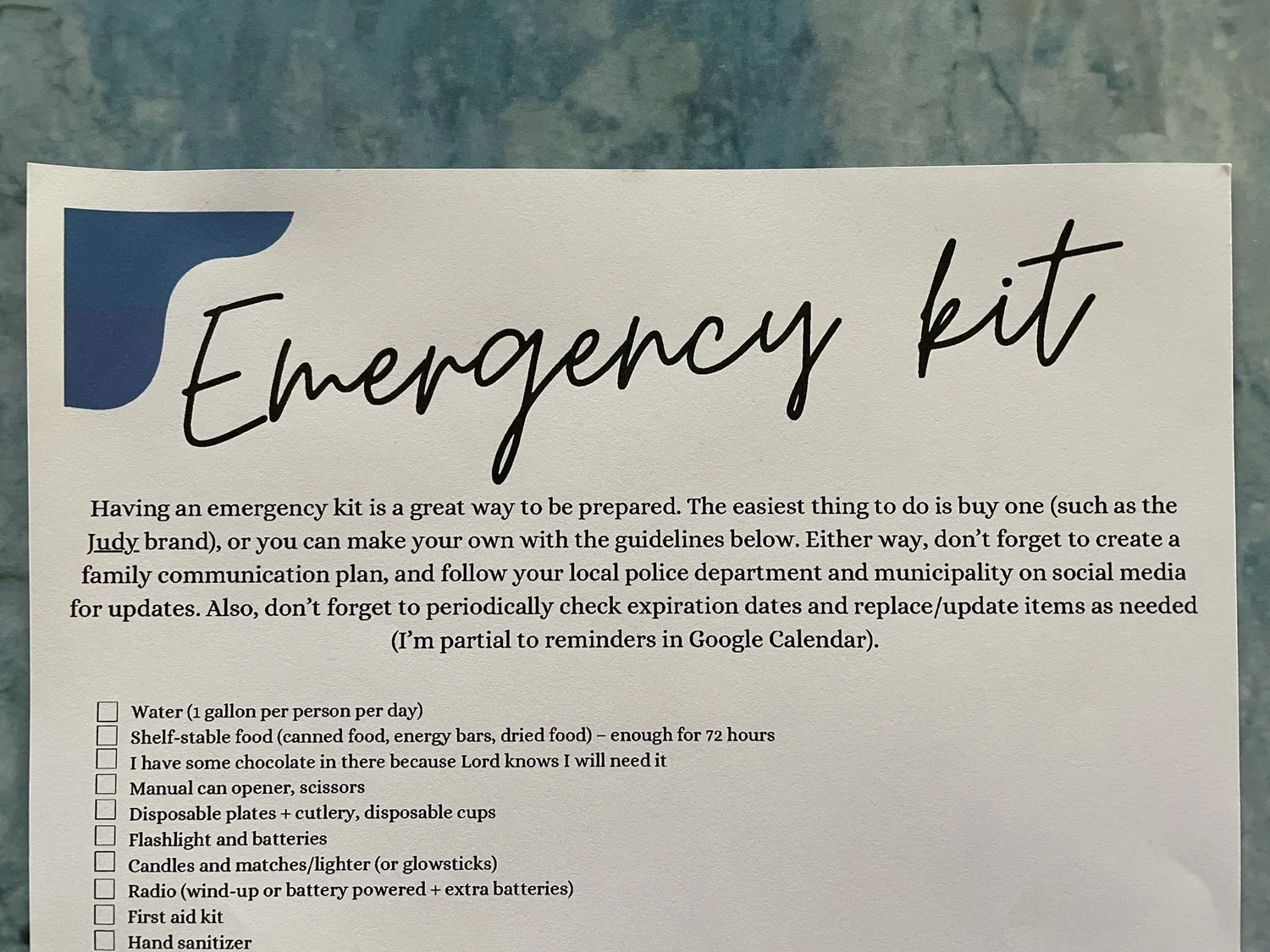
When the power grid fails, cell towers often go down shortly after, and home Wi-Fi routers stop working. Cloud storage and smartphone apps become inaccessible. A physical binder requires no electricity, Wi-Fi passwords, or battery recharges to function.
Accessibility for All Family Members
Not every member of your household—especially young children or elderly relatives—may know how to unlock your phone or navigate specialized apps in a panic. A clearly labeled physical binder with large text and straightforward forms can be opened and read by anyone in the home immediately.
Privacy and Data Security
Storing sensitive social security numbers, banking details, and medical records in cloud apps exposes you to potential data breaches and hacks. Keeping these details on paper inside a secure home safe minimizes digital exposure.
Practical Tips to Keep Your Documents Updated
Creating your emergency binder is only the first step. To ensure it remains genuinely useful during a crisis, you must maintain it properly.
Review Every Six Months: Set a calendar reminder to check your binder twice a year. Phone numbers, medical needs, and insurance policies change frequently.
Include Cash Reserves: While not a printable document, slipping a small amount of emergency cash into a zippered pouch inside the binder is a classic quick fix for ATM and card reader failures.
Make Copies for Trusted Contacts: Consider giving a duplicate set of non-sensitive evacuation plans to a trusted neighbor or relative living out of town.
Conclusion
Preparedness does not have to be complicated or expensive. By utilizing structured resources like emergency printables by Aaron Knodel for quick fix planning, you take proactive control of your family's safety. Investing just a few hours into printing, filling out, and organizing these templates ensures that you are ready to face the unexpected with clarity, calm, and confidence.


